
Tin tức
Liên hệ ngayHow Flat Brickmould Helps Stop Door Leaks
-
 tác giả
- 14 Tháng 10 2026

Exterior door leaks rarely come from one dramatic gap. They usually start where several parts meet: brickmould, jamb, wall cladding, threshold, sealant, and the lower corners of the opening. Flat Brickmould helps because it gives the outside edge a clean, stable landing surface. When it works with the threshold profile instead of sitting beside it as an afterthought, the door system has fewer weak paths for wind-driven rain.
Leaks collect at the frame edge
Water follows joints, pressure differences, and small changes in surface direction. The outer trim around a door is therefore more than decoration. It helps bridge the gap between the frame and the wall finish, and it gives the installer a defined edge for sealing. If that edge is uneven, too narrow, or poorly matched to the sill area, water can sit exactly where the assembly is hardest to inspect later.
Brick, stone, stucco, vinyl siding, and wood substrates all create different contact conditions around an exterior opening. A flat trim profile can make those conditions easier to control because the surface presses cleanly against the wall plane and leaves fewer irregular pockets at the perimeter.

Flat Brickmould gives the rain screen a cleaner edge
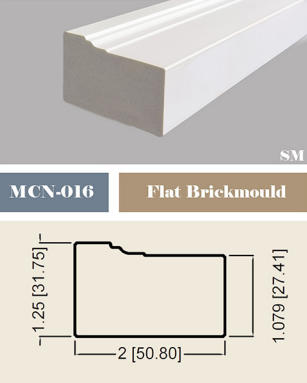
MỘT composite brickmould profile supports the first line of defense by covering the wall-to-frame transition. Xinhong New Materials’ MCN-016 Flat Brickmould has a 2 inch overall width and a 1.25 inch wall contact width, giving the trim enough face area to bridge common exterior substrates without looking bulky.
The flat face also matters for sealing. Caulk performs better when it is applied to a clean, dry, stable surface with enough contact area. A trim profile that rocks against uneven masonry or leaves a narrow seal line can make the joint more vulnerable once rain, heat, and movement begin working on it.
The profile shape affects how water leaves the opening
Flat Brickmould should help water move away from the frame rather than trap it at the edge. The goal is a clear exterior transition where runoff can pass over the face and down the wall, while sealed joints limit water entry behind the trim.
The wall contact width affects seal reliability
A useful trim profile gives the sealant and fasteners enough surface to work with. MCN-016 can be nailed, bonded, and sealed, so the same profile can suit brick, concrete, wood substrate walls, and other exterior trim conditions when the opening is prepared correctly.
| Door edge condition | Leak risk | Flat Brickmould role |
| Narrow trim contact | Sealant line becomes thin or uneven | Wider flat contact creates a steadier sealing surface |
| Uneven masonry edge | Water can sit behind trim pockets | Flat profile helps cover and stabilize the transition |
| Lower corner near sill | Wind-driven rain collects at the joint | Cleaner trim-to-threshold planning reduces exposed seams |
| Exterior finish change | Brick, stucco, or siding creates gaps at the frame | Consistent trim face makes the perimeter easier to seal |

The threshold profile completes the lower corner
The lower corners decide whether an exterior door feels weatherproof in real use. A door frame threshold must meet the jamb and exterior trim cleanly because wind-driven rain often tests the bottom of the assembly first. If the brickmould ends awkwardly above the sill, water can collect in the small return area and work inward.
A coordinated threshold and trim layout creates a physical path for water to shed outward. The idea is simple: keep the face trim, lower jamb, sill, and sealant line arranged so water sees a series of outward surfaces rather than a hidden pocket leading into the wall.
- Keep the flat side of the brickmould pressed evenly against the exterior wall surface.
- Use stainless nails or outdoor-grade adhesive where the substrate and project method call for them.
- Seal the perimeter with weatherproof caulk after the surface is clean, dry, and flat.
- Plan the sill, jamb, and trim together so the lower corner is not solved on site with a patch.
Material choice matters after the first rain
MỘT weatherproof exterior door frame depends on more than the first installation day. The frame edge must keep its shape through heat, humidity, rain, and normal building movement. PVC trim and jamb components help because they resist rot, rust, termites, moisture damage, and surface deterioration in wet exterior locations.
This is where Xinhong New Materials’ PVC system fits the leak problem without turning the conversation into a parts list. The company supplies PVC jambs, jamb extensions, and Flat Brickmould profiles in finishes such as smooth, woodgrain, fir, blue white, and white, so door plants and distributors can align exterior appearance with the weather-control function.
A pvc exterior door frame can also reduce maintenance pressure because the outer edge does not need the same painting routine as wood. Paintable options still matter for custom exterior colors, but the basic leak-control value comes from a profile that remains dimensionally stable and resistant to moisture at the opening perimeter.
A practical takeaway for exterior door systems
Flat Brickmould helps stop door leaks when it is treated as part of the weather-control system, not as a decorative strip added after the frame is chosen. Its flat contact surface, stable PVC material, and clean overlap with the jamb and threshold profile help reduce the small paths where water normally finds its way inward.
For door factories, distributors, and exterior-door programs, the useful next step is to match jamb depth, Flat Brickmould size, wall substrate, and threshold profile before production begins. That planning keeps the lower corner cleaner and makes the finished exterior opening easier to repeat across orders.
Câu hỏi thường gặp
Does Flat Brickmould make an exterior door waterproof by itself
Flat Brickmould does not make a door waterproof by itself. It helps control the outer transition, but the jamb, threshold, flashing approach, sealant, and site conditions also determine whether the opening resists water well.
Where does water usually enter around an exterior door
Water often enters around the lower corners, the trim-to-wall joint, the sill connection, or gaps behind uneven exterior finishes. These areas combine gravity, wind pressure, and hidden joints, so small mistakes can become visible leaks.
Why use PVC door frame trim instead of wood trim
PVC door frame trim is useful near exterior openings because it resists moisture damage, rot, and insects. Wood trim can work, but it needs more protection when rain splash, snow melt, or damp masonry are constant concerns.
Is composite brickmould suitable for brick and stucco walls
Composite brickmould can be suitable for brick and stucco walls when the surface is prepared correctly and the profile has enough wall contact width. A flat profile helps create a cleaner seal line across those surfaces.
Should the door jamb and sill be selected with the trim
The door jamb and sill should be selected with the trim because the lower corner depends on all three parts meeting cleanly. Matching them before production reduces field adjustment and helps the weatherproofing details repeat from unit to unit.

Các sản phẩm
Sản phẩm liên quan
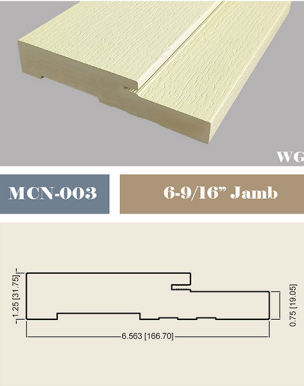
Thanh nẹp cửa MCN-003 có kích thước 6-9/16" được thiết kế để che phủ chiều sâu bên hông của các ô cửa sổ và cửa ra vào, đảm bảo che phủ hoàn toàn từ mép cánh cửa đến bề mặt tường ngoài. Nó cung cấp một đế lắp đặt ổn định cho cánh cửa đồng thời tạo ra một cạnh hoàn thiện gọn gàng cho ô cửa. Đặc biệt thích hợp cho các bức tường dày hoặc hệ thống khung cửa có tường cách nhiệt bên ngoài.
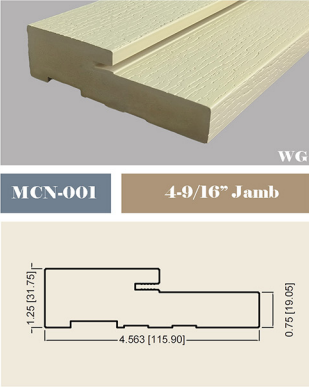
Thanh nẹp cửa MCN-001 có kích thước 4-9/16" được thiết kế để che phủ chiều sâu bên hông của các ô cửa sổ và cửa ra vào, đảm bảo che phủ hoàn toàn từ mép cánh cửa đến bề mặt tường ngoài. Nó cung cấp một đế lắp đặt ổn định cho cánh cửa đồng thời tạo ra một cạnh hoàn thiện gọn gàng cho ô cửa. Thích hợp cho các hệ thống khung cửa tiêu chuẩn trong các tòa nhà dân dụng và thương mại.
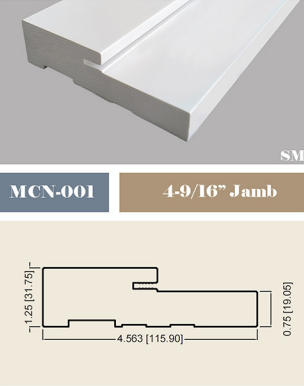
Thanh nẹp cửa MCN-001 có kích thước 4-9/16" được thiết kế để che phủ chiều sâu bên hông của các ô cửa sổ và cửa ra vào, đảm bảo che phủ hoàn toàn từ mép cánh cửa đến bề mặt tường ngoài. Nó cung cấp một đế lắp đặt ổn định cho cánh cửa đồng thời tạo ra một cạnh hoàn thiện gọn gàng cho ô cửa. Thích hợp cho các hệ thống khung cửa tiêu chuẩn trong các tòa nhà dân dụng và thương mại.
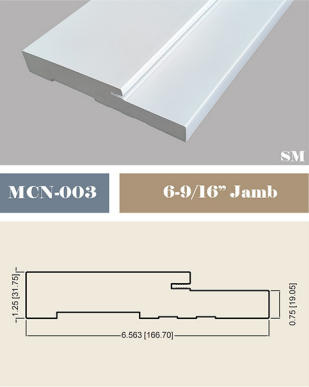
Thanh nẹp cửa MCN-003 có kích thước 6-9/16" được thiết kế để che phủ chiều sâu bên hông của các ô cửa sổ và cửa ra vào, đảm bảo che phủ hoàn toàn từ mép cánh cửa đến bề mặt tường ngoài. Nó cung cấp một đế lắp đặt ổn định cho cánh cửa đồng thời tạo ra một cạnh hoàn thiện gọn gàng cho ô cửa. Đặc biệt thích hợp cho các bức tường dày hoặc hệ thống khung cửa có tường cách nhiệt bên ngoài.
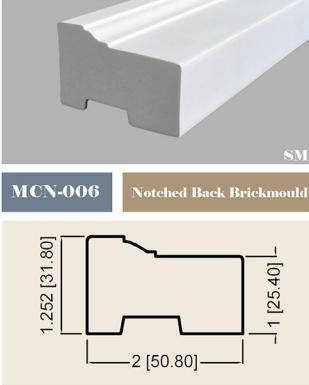
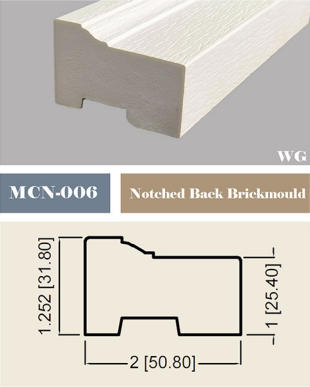
Nẹp trang trí ngoại thất MCN-006 có rãnh ở mặt sau là một sản phẩm cao cấp dùng để trang trí khung cửa và cửa sổ. Rãnh ở mặt sau giúp nẹp ôm sát hơn vào gạch, vữa hoặc ván ốp tường. Các loại nẹp trang trí dòng WG đã được thu nhỏ kích thước để phù hợp với nhiều độ dày tường và ứng dụng khác nhau.
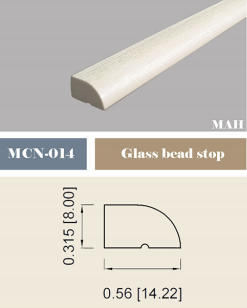
Thanh chặn kính MCN-014 là một phụ kiện lắp đặt kính được thiết kế chuyên nghiệp, dùng để cố định, định vị và làm kín các tấm kính trong cửa ra vào và cửa sổ. Nó được lắp đặt giữa kính và khung để ngăn kính di chuyển đồng thời mang lại vẻ ngoài trang trí đẹp mắt. Thích hợp cho hệ thống cửa ra vào và cửa sổ dân dụng và thương mại.
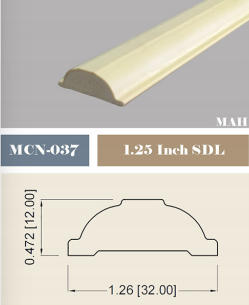
MCN-037 SDL là dải trang trí mô phỏng cửa sổ chia ô rộng 1,25 inch được thiết kế để dán trực tiếp lên bề mặt kính, tái tạo vẻ ngoài của cửa sổ chia ô truyền thống. Nó tạo ra tính thẩm mỹ của cửa sổ nhiều ô kính cổ điển mà không cần thay thế toàn bộ cấu trúc cửa sổ. Kiểu dáng gọn gàng phù hợp với nhiều phong cách kiến trúc khác nhau.
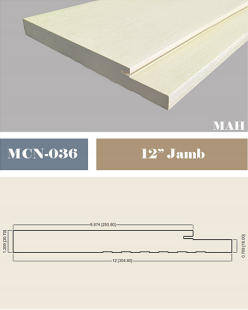
Khung cửa MCN-036 12" là loại khung cửa siêu rộng được thiết kế cho tường dày hoặc các ô cửa/cửa sổ sâu. Mặt cắt rộng của nó trải dài toàn bộ khoảng cách từ mép cánh cửa đến bề mặt tường ngoài, cung cấp sự hỗ trợ chắc chắn cho cửa và tạo nên vẻ ngoài trang trí đẹp mắt. Thích hợp cho các công trình dân dụng, thương mại và công nghiệp.
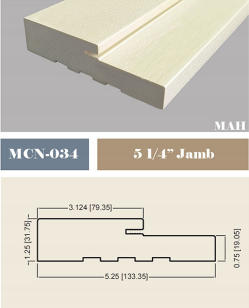
Thanh nẹp cửa MCN-034 có kích thước 5-1/4" được thiết kế để che phủ chiều sâu bên hông của các ô cửa sổ và cửa ra vào, đảm bảo che phủ hoàn toàn từ mép cánh cửa đến bề mặt tường ngoài. Nó cung cấp một đế lắp đặt ổn định cho cánh cửa đồng thời tạo ra một cạnh hoàn thiện gọn gàng cho ô cửa. Thích hợp cho các hệ thống khung cửa tiêu chuẩn và khung cửa tường dày trong các công trình dân dụng và thương mại.
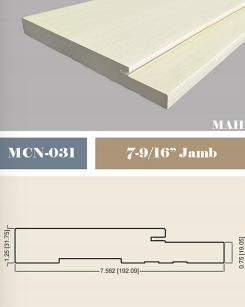
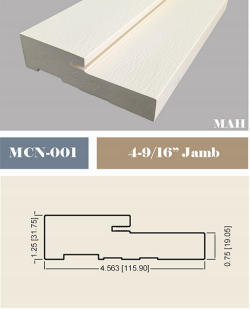
Thanh nẹp cửa MCN-001 có kích thước 4-9/16" được thiết kế để che phủ chiều sâu bên hông của các ô cửa sổ và cửa ra vào, đảm bảo che phủ hoàn toàn từ mép cánh cửa đến bề mặt tường ngoài. Nó cung cấp một đế lắp đặt ổn định cho cánh cửa đồng thời tạo ra một cạnh hoàn thiện gọn gàng cho ô cửa. Thích hợp cho các hệ thống khung cửa tiêu chuẩn trong các tòa nhà dân dụng và thương mại.
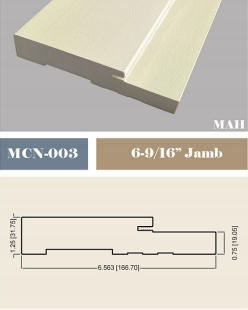
Thanh nẹp cửa MCN-003 có kích thước 6-9/16" được thiết kế để che phủ chiều sâu bên hông của các ô cửa sổ và cửa ra vào, đảm bảo che phủ hoàn toàn từ mép cánh cửa đến bề mặt tường ngoài. Nó cung cấp một đế lắp đặt ổn định cho cánh cửa đồng thời tạo ra một cạnh hoàn thiện gọn gàng cho ô cửa. Đặc biệt thích hợp cho các bức tường dày hoặc hệ thống khung cửa có tường cách nhiệt bên ngoài.
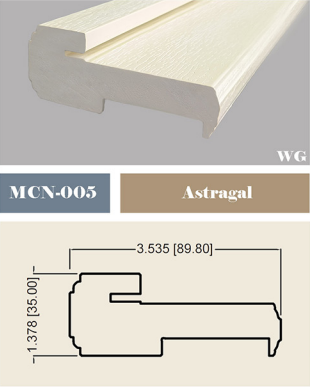
Thanh nẹp cửa này là một phụ kiện trang trí cửa chuyên nghiệp được thiết kế cho cửa đôi (cửa kiểu Pháp/cửa ghép). Nó được lắp đặt trên cạnh của cánh cửa không sử dụng để che khoảng trống giữa hai cánh cửa, cải thiện khả năng kín khí, cách âm, sự riêng tư và mang lại vẻ ngoài hoàn thiện.
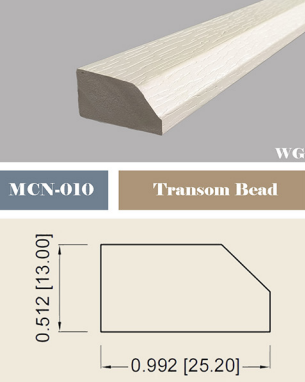
Nẹp trang trí MCN-010 là một sản phẩm được thiết kế chuyên nghiệp dành cho cửa sổ vòm (cửa sổ hình quạt/cửa sổ cố định phía trên cửa ra vào). Sản phẩm này đóng vai trò như một đường viền trang trí, giữ kính hoặc nẹp chuyển tiếp cho khu vực cửa vòm. Thiết kế nhỏ gọn của nẹp tạo thêm điểm nhấn tinh tế cho các ô cửa trong các tòa nhà dân cư và thương mại.
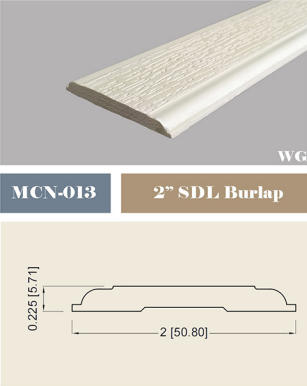
Dải trang trí giả khung kính chia ô (SDL) MCN-013 SDL Burlap rộng 2 inch được thiết kế để dán trực tiếp lên bề mặt kính, mô phỏng vẻ ngoài của cửa sổ kính chia ô truyền thống. Chiều rộng 2 inch tạo nên vẻ ngoài lưới dày dặn và chắc chắn hơn. Chất liệu vải bố mang lại kết cấu độc đáo giống như vải, tăng thêm vẻ đẹp trang trí tự nhiên, mộc mạc.
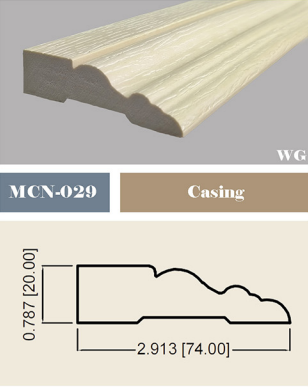
Nẹp cửa MCN-029 là một sản phẩm trang trí cửa được thiết kế chuyên nghiệp, tạo sự chuyển tiếp trang trí giữa khung cửa và tường. Nó che phủ khoảng trống giữa khung cửa và bề mặt tường, mang lại vẻ ngoài gọn gàng, hoàn thiện đồng thời bảo vệ các cạnh khung cửa khỏi hư hại. Thích hợp cho các ô cửa nội thất trong không gian nhà ở và thương mại.
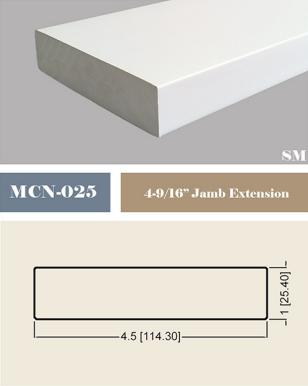
Bộ phận mở rộng khung cửa MCN-025 có độ sâu 4-9/16 inch, được thiết kế để tăng độ sâu khung cửa tiêu chuẩn cho các bức tường dày hơn. Khi độ dày tường vượt quá kích thước khung cửa tiêu chuẩn, bộ phận mở rộng sẽ gắn liền mạch vào cạnh khung cửa hiện có, đảm bảo khung cửa nằm phẳng với bề mặt tường và cung cấp một đế lắp đặt hoàn chỉnh với bề mặt hoàn thiện gọn gàng.
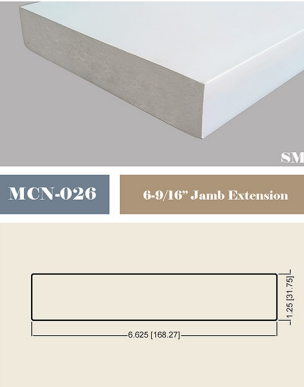
Bộ phận mở rộng khung cửa MCN-026 có chiều sâu 6-9/16 inch, được thiết kế để tăng chiều sâu khung cửa tiêu chuẩn cho các bức tường dày. Khi độ dày tường vượt quá kích thước khung cửa tiêu chuẩn, bộ phận mở rộng sẽ gắn liền mạch vào cạnh khung cửa hiện có, đảm bảo khung cửa nằm phẳng với bề mặt tường và cung cấp một đế lắp đặt hoàn chỉnh với bề mặt hoàn thiện gọn gàng.
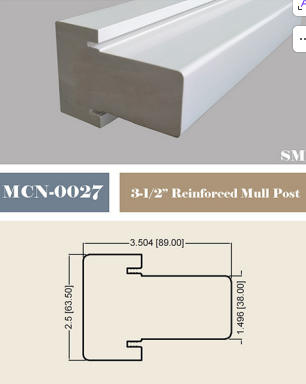
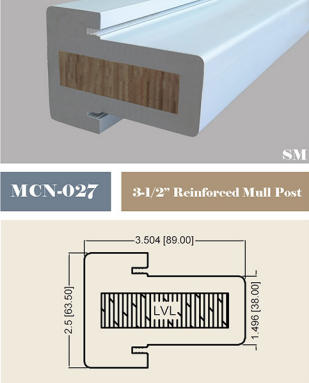
Thanh giằng MCN-027 gia cường là một cấu kiện kết cấu thẳng đứng có kích thước 3-1/2 inch được thiết kế cho hệ thống cửa và cửa sổ kết hợp. Nó kết nối và cố định các bộ phận liền kề (như cửa sổ cố định, cửa sổ mở, cửa ra vào và cửa sổ bên), cung cấp thêm sức mạnh kết cấu để đảm bảo sự ổn định và an toàn cho các ô cửa. Lớp gia cường LVL (gỗ dán nhiều lớp) tích hợp giúp tăng cường đáng kể khả năng chịu tải và chống cong vênh.
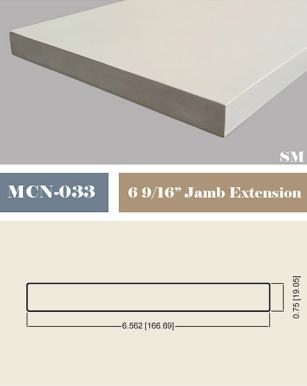
Bộ phận mở rộng khung cửa MCN-033 có chiều sâu 6-9/16 inch, được thiết kế để tăng chiều sâu khung cửa tiêu chuẩn cho các bức tường dày hơn. Khi độ dày tường vượt quá kích thước khung cửa tiêu chuẩn, bộ phận mở rộng sẽ gắn liền mạch vào cạnh khung cửa hiện có, đảm bảo khung cửa nằm phẳng với bề mặt tường và cung cấp một đế lắp đặt hoàn chỉnh với bề mặt hoàn thiện gọn gàng.
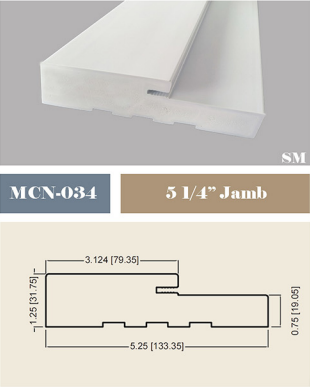
Thanh nẹp cửa MCN-034 có kích thước 5-1/4" được thiết kế để che phủ chiều sâu bên hông của các ô cửa sổ và cửa ra vào, đảm bảo che phủ hoàn toàn từ mép cánh cửa đến bề mặt tường ngoài. Nó cung cấp một đế lắp đặt ổn định cho cánh cửa đồng thời tạo ra một cạnh hoàn thiện gọn gàng cho ô cửa. Thích hợp cho hệ thống khung cửa nội thất và ngoại thất trong các tòa nhà dân dụng và thương mại.
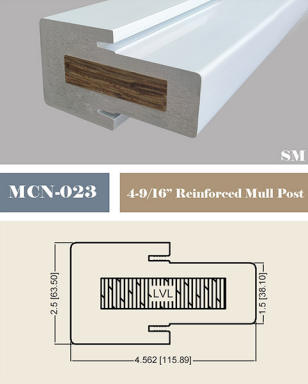
Thanh giằng MCN-023 gia cường là một cấu kiện kết cấu thẳng đứng có kích thước 4-9/16" được thiết kế cho hệ thống cửa và cửa sổ kết hợp. Nó kết nối và cố định các bộ phận liền kề (như cửa sổ cố định, cửa sổ mở, cửa ra vào và cửa sổ bên), cung cấp thêm sức mạnh kết cấu để đảm bảo sự ổn định và an toàn cho các ô cửa. Lớp gia cường LVL (gỗ dán nhiều lớp) tích hợp giúp tăng cường đáng kể khả năng chịu tải và chống cong vênh.
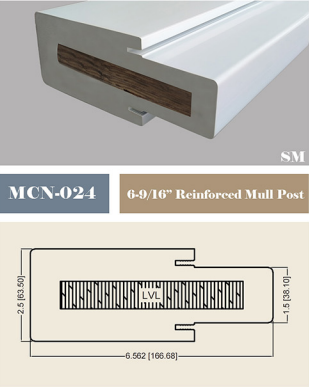
Cột trụ gia cường MCN-024 là một cấu kiện kết cấu thẳng đứng có kích thước 6-9/16" được thiết kế cho hệ thống cửa và cửa sổ kết hợp. Nó kết nối và cố định các bộ phận liền kề (như cửa sổ cố định, cửa sổ mở, cửa ra vào và cửa sổ bên), cung cấp thêm sức mạnh kết cấu để đảm bảo sự ổn định và an toàn cho các ô cửa có nhịp lớn.
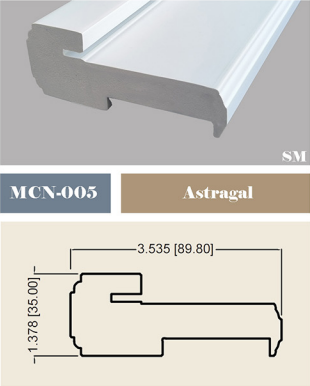
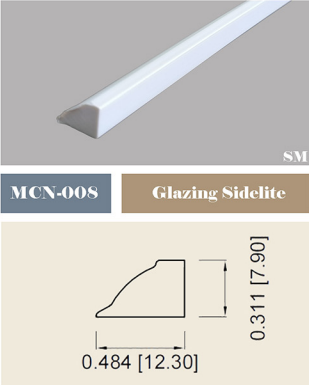
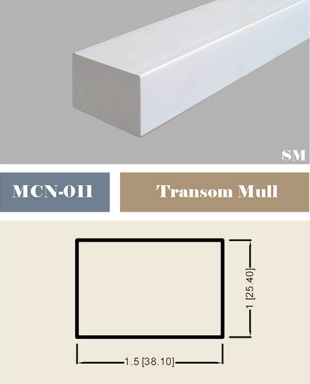
Thanh ngang khung cửa MCN-011 là một cấu kiện khung ngang chuyên nghiệp được thiết kế để ngăn cách cửa chính với cửa sổ phía trên (cửa sổ bên hông/cửa sổ hình quạt). Nó cung cấp sự hỗ trợ về mặt cấu trúc cho khung cửa đồng thời tạo ra một đường phân chia trực quan rõ ràng, phù hợp với hệ thống cửa ra vào của các tòa nhà dân dụng, thương mại và công cộng.
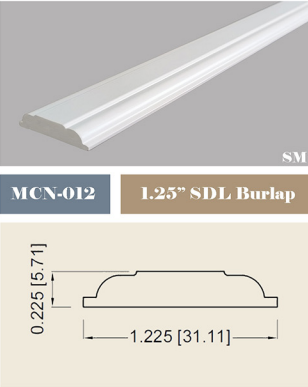
Dải trang trí MCN-012 SDL Burlap là một loại dải trang trí mô phỏng cửa sổ chia ô (SDL) được thiết kế để dán trực tiếp lên bề mặt kính, tái tạo vẻ ngoài của cửa sổ chia ô truyền thống. Nó tạo ra tính thẩm mỹ của cửa sổ nhiều ô cổ điển mà không cần thay thế toàn bộ cấu trúc cửa sổ. Bề mặt vải bố mang lại kết cấu độc đáo giống như vải.
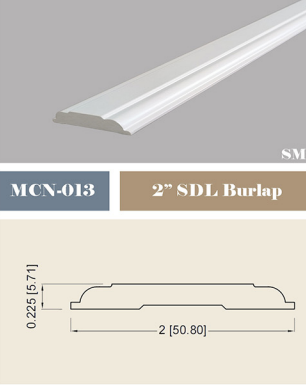
Dải trang trí giả khung kính chia ô (SDL) MCN-013 SDL Burlap rộng 2 inch được thiết kế để dán trực tiếp lên bề mặt kính, mô phỏng vẻ ngoài của cửa sổ kính chia ô truyền thống. So với các phiên bản hẹp hơn, chiều rộng 2 inch mang lại vẻ ngoài lưới dày dặn và chắc chắn hơn. Chất liệu vải bố tạo nên kết cấu độc đáo giống như vải, tăng thêm vẻ đẹp trang trí tự nhiên, mộc mạc.
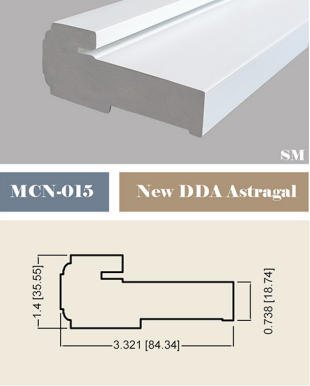
Thanh nẹp cửa MCN-015 New DDA được thiết kế để đáp ứng các tiêu chuẩn DDA (Đạo luật Chống Phân biệt đối xử với Người khuyết tật / tuân thủ ADA) dành cho hệ thống cửa đôi dễ tiếp cận. Nó được gắn trên mép của cánh cửa không hoạt động của cửa đôi, bịt kín hiệu quả khe hở giữa hai cánh cửa đồng thời đảm bảo tuân thủ các yêu cầu về khả năng tiếp cận như lực mở và chiều rộng khe hở.
Tel:
+86 18858129513