
ニュース
今すぐお問い合わせくださいHow Flat Brickmould Keeps PVC Door Frames Dry
-
 著者
著者
- 04 9月 2026


Water around an exterior door rarely fails at one dramatic point. It usually slips through small mismatches between the jamb, the exterior trim, the threshold, and the wall cladding. A flat brickmould detail matters because it gives the opening a clean, predictable edge where installers can seal, fasten, and finish the transition without fighting uneven wood grain or swollen trim.
Water Control Starts at the Trim-to-Jamb Edge
A PVC door brickmould is not just decorative casing around a door. It covers the exposed joint where the door frame meets siding, stucco, brick, or another exterior finish, so the installer has a stable surface for sealant and mechanical fastening. When that surface stays straight, the sealant bead has a better chance of remaining continuous after shipping, handling, and seasonal movement.
The practical problem for door plants and wholesale distributors is consistency. Wood trim can arrive with knots, soft spots, checks, or moisture variation, and those differences often appear only after cutting and mitering. A composite brick moulding profile gives the door opening a uniform outside edge, so the shop can repeat the same prep, trim fit, and packing method across large batches.
The flat face gives installers a cleaner sealant path
A flat exterior face reduces guesswork at the weather seal. The caulk line can sit against a smooth, non-porous profile rather than crossing open grain or irregular trim fibers. That does not replace flashing, sill-pan detailing, or proper wall drainage, but it helps the finished door system keep its outer water-shedding layer neat and repeatable.
The brickmould also protects the visual edge
The same trim piece also protects appearance at the entrance. A clean, white, factory-consistent profile can hide small siding gaps, frame-to-wall transitions, and cut edges. For distributors, this matters because callbacks often begin as a visual complaint before anyone finds the technical moisture path behind it.
The Threshold Joint Carries the Hardest Moisture Load
The lower corners of an exterior opening take the harshest punishment. Rain hits the door face, snow melts at the sill, cleaning water splashes upward, and wind pressure can push moisture toward the frame. The brickmould can only do its job when the door frame threshold transition is planned as part of the same system.
The important point is alignment, not decoration. The jamb leg, threshold profile, and exterior trim should meet in a way that avoids a small horizontal shelf where water can sit. A complementary threshold profile gives the bottom of the opening a cleaner landing point, while the brickmould frames the sides and head so the installer can complete the drainage path around the whole unit.
| Opening area | Moisture risk | PVC system detail that helps |
| Head and sides | Wind-driven rain reaches trim joints | Flat brickmould supports a continuous sealant line |
| Lower corners | Water collects where jamb, sill, and trim meet | Matched trim and threshold geometry reduce small ledges |
| Frame face | Swelling trim disturbs reveal lines | PVC keeps a stable, non-porous exterior surface |
| Shipment and storage | Movement can open weak miters | Factory-consistent profiles protect repeatable assembly |

PVC Helps the Assembly Stay Stable After Weather Changes
A weatherproof exterior door frame still depends on correct installation, but the material choice controls how much the trim itself changes before and after installation. PVC resists rot, corrosion, termites, and moisture-related swelling, so the exterior edge is less likely to become the weak link in a damp or freeze-thaw climate.
Xinhong New Materials is relevant here because door manufacturers need profiles that remain predictable through cutting, packing, and repeated assembly. The company focuses on PVC door frame and trim profiles for export markets, including the United States, Canada, the United Kingdom, and Australia, and its factory setup supports high-volume production of PVC profiles. That production role matters when distributors need repeat orders to match previous batches.
Stable profiles reduce avoidable site adjustments
Stable material does not make a poor installation good, but it removes one common source of variation. When the jamb and brickmould arrive straight and dry, installers can spend less time trimming swollen edges or correcting reveal lines. Door plants also get a more predictable component for automated cutting and miter stations.
Exterior terms should match the target market
Language also affects purchasing clarity. In the United States, buyers commonly search for PVC door frame, while Canadian buyers often use PVC door jamb. Keeping both terms in product communication helps the same physical component stay understandable across North American sales channels.
What Door Plants Should Confirm Before Scaling Orders
A moisture-focused trim decision should stay practical. The buyer does not need a long product manual; the buyer needs confidence that the brickmould, jamb, and threshold can be repeated across the intended door line. The most useful checks are simple and physical:
- Confirm the brickmould face gives enough flat bonding area for the planned exterior sealant.
- Check the lower-corner geometry with the threshold profile before approving mass production.
- Match 4-9/16 inch or 6-9/16 inch jamb depth to the target U.S. or Canadian wall build.
- Review packaging so long profiles stay clean, straight, and protected before assembly.
For buyers comparing a PVC exterior door jamb with wood or lower-density plastic, the sample test should focus on the lower corners, miter quality, and threshold fit. When the specification calls for an exterior door jamb PVC option, those details reveal more about field durability than a loose list of advertised features.

Summary
Flat brickmould keeps a PVC door frame dry by making the exterior edge easier to seal, easier to repeat, and less vulnerable to moisture movement. The best result comes when the brickmould is not treated as a separate trim accessory, but as part of the same weather-control path as the jamb and threshold.
For door factories or distributors developing exterior units, Xinhong New Materials can support PVC frame, jamb, and flat brickmould discussions around the target market, wall depth, and threshold match before production details are finalized.
よくある質問
Is flat brickmould only for appearance?
Flat brickmould improves appearance, but its bigger value is the clean transition it creates between the door frame and exterior wall finish. That transition gives sealant and fasteners a more predictable surface.
Does PVC brickmould replace flashing?
PVC brickmould does not replace sill pans, flashing tape, housewrap integration, or local code requirements. It supports the outer trim layer while the wall system still needs proper drainage detailing.
Why pair brickmould with a threshold profile?
The threshold profile controls the bottom transition where water exposure is highest. Pairing it with matching side and head trim helps reduce small gaps and ledges at the lower corners.
Which term should exporters use, door frame or door jamb?
Both terms matter. U.S. buyers often use door frame, while Canadian buyers often use door jamb, so export content and quotations should keep terminology clear for the target market.
Can PVC exterior trim be painted?
PVC exterior trim usually does not require painting for basic use. When a project needs a special color, buyers should confirm paint compatibility, surface prep, and coating instructions before production.
前の記事:How PVC Profiles Improve Pre-Hung Door Yield
次の投稿: 次の投稿はありません

製品
関連製品

FS8802-821は、先進的な3Dプリンティング技術を用いた3Dウェーブパネルで構成されており、竹繊維複合材を芯材とし、高品質のPVC表面で覆った、環境に優しく洗練された表面デザインが特徴です。現代的な住宅プロジェクトはもちろん、様々な商業施設の内装デザインにおける壁面ソリューションとしても最適です。

FS8309-823は、耐久性に優れたPVCで覆われた、持続可能な竹繊維複合材を芯材とした高品質のライトコーヒー色の壁パネルです。この壁材の自然なライトコーヒーの色合いは、モダンな住宅にふさわしいスタイリッシュさと、商業施設にも十分な耐久性を兼ね備えています。

グリーンスピードウォールパネルQは、天然の麻布のような質感で仕上げられており、どんなインテリアにも温かみと柔らかな雰囲気を添えます。ウォールパネルQは、高性能PVC表面材を竹繊維複合材で補強することで、環境に優しく見た目にも美しい、設置が容易なウォールパネルを実現しました。柔らかく耐久性のある外観と手触りで、内装壁材として最適です。

コーヒーカラーのグリーンスピードウォールパネルHは、温かみのある豊かな色合いで、ほとんどのインテリアに自然に溶け込みます。スピードウォールパネルは、環境に優しい竹繊維複合材を芯材とし、耐久性の高いPVCで覆われています。取り付けが簡単で長持ちするだけでなく、環境性能にも優れています。スピードウォールパネルは、内装壁材として最適です。

ベージュストライプ柄のグリーンスピードウォールパネルHは、薄型でフラットな壁パネルです。さりげなく上品なストライプ模様が、空間に高さと視覚的な面白さを加えます。温かみのあるベージュの色合いは、現代的なインテリアにも伝統的なインテリアにもよく馴染み、幅広い層にアピールします。このパネルは、従来の塗料に代わる優れた選択肢であり、環境に配慮した高い持続可能性を備えているだけでなく、設置が簡単で耐久性にも優れています。

ライトブルーのグリーンスピードウォールパネルHは、室内空間にリラックス感と柔らかな印象を与えるカラーです。このパネルは、優れた強度、寸法安定性、高性能を誇るPVC表面の石材プラスチック複合材で作られています。優れた環境特性と容易な施工性を備え、内装壁材として最適なウォールパネルです。

グリーンスピードウォールパネルH(ピンク)は、空間に心地よい温かさと優雅さをもたらす、繊細で上品な色合いです。このグリーンスピードウォールパネルは、丈夫なPVC外皮で裏打ちされたストーンプラスチック複合材(SPC)コアを採用しており、高い強度、寸法安定性、そして優れた性能を発揮します。環境に配慮したエコフレンドリーな製品であるだけでなく、軽量で設置も簡単。内装壁材として比類のない耐久性と長寿命を実現します。

ベージュファブリックのグリーンスピードウォールパネルQは、まるで布地のような質感という特別な特徴を備えています。同時に、石材プラスチック複合材で作られており、標準的な機能をすべて備えています。柔らかくサステナブルなベージュファブリックのカバーは、空間に温かみと独特の触感をもたらします。また、この素材で作られた壁パネルと床パネルは、優れた環境性能、簡単な設置、耐久性、耐傷性、そして微生物の繁殖防止といった特長も兼ね備えています。

グリーンスピードウォールパネルQ(グレーファブリックテクスチャ)は、独特の織物デザインが特徴です。温かみのある個性的な雰囲気を室内空間に演出します。豊富なカラーバリエーションを取り揃えており、グレーはモダンからトラディショナルまで、様々なデザインスタイルにマッチします。頑丈なコア構造と耐久性に優れたPVC表面により、優れた性能、簡単な設置、そして高い耐久性を実現しています。

グリーンスピードウォールパネルQ(グレーファブリック裏地)は、柔らかなテキスタイル仕上げで、空間に温かみ、質感、そして優雅さをもたらします。スタイリッシュなグレー仕上げは幅広い層に受け入れられ、モダンな空間にも伝統的な空間にも調和します。ファブリック裏地仕上げは、ソリッドコアのあらゆる利点を備えながらも、独特の感触と質感を提供します。Qパネルは内装壁材として適しており、環境性能に優れ、設置が容易で、耐久性に優れた長持ちする仕上がりとなっています。

Lüsu ウォールパネル Q グレー木目調(FM4001-932)は、自然な質感と実用性を兼ね備えた新しいタイプの室内壁材です。高品質のソリッドコアボードを基材とし、高品質のPVCを表面材として使用することで、表面には本物のグレーの木目を正確に再現し、柔らかな上品な色合いと控えめで高級感のある自然なスタイルを実現しています。環境保護と健康、耐久性と利便性、そして装飾美のバランスが取れています。密度0.75g/cm³、厚さ8mm、柔軟なカスタマイズと設置の利点を備え、現代の住宅や商業施設の室内壁材として選ばれており、様々な空間に自然で温かみのある雰囲気を簡単に加え、健康的で快適、そして高品質な生活環境と使用環境を作り出します。

Lüsu ウォールパネル H シャドウイミテーションウッドグレイン (FS8002-817) は、光と影の美しさと実用性を兼ね備えた新しいタイプの室内壁装飾材です。高品質のソリッドコアボードを基材とし、高品質のPVCを表面材として使用し、高精細インクジェットとレーザーマイクロ彫刻の複合プロセスを採用することで、独特のシャドウイミテーションウッドグレインの質感を正確に再現しています。質感は層状で光と影の感覚に富み、暖かく柔らかな色合いとグラデーションのある質感で、控えめで高級感のある雰囲気を醸し出します。環境保護と健康、耐久性と利便性、そして装飾美のバランスが取れています。密度0.75g/cm³、適度な厚さ8mm、柔軟なカスタマイズと設置の利点により、現代の住宅や商業施設の室内壁装飾の高品質な選択肢となり、さまざまな空間に自然で優雅な光と影のスタイルを簡単に加え、健康的で快適かつスタイリッシュな生活環境と使用環境を作り出します。

Lüsu ウォールパネル Q 竹木目調 (1071-201) は、天然竹の魅力と実用性を兼ね備えた新しいタイプの室内壁材です。高品質のソリッドコアボードを基材とし、高品質のPVCを表面材として使用し、高精細インクジェットとナノフィルムコーティングの複合プロセスを採用することで、天然竹本来の質感を正確に再現し、竹節の繊細な質感と温かみのある色合いを鮮明に復元しています。シンプルで上品な東洋の魅力と自然治癒感を持ち、環境保護と健康、耐久性と利便性、そして装飾美のバランスが取れています。密度0.75g/cm³、適度な厚さ8mm、柔軟なカスタマイズと設置の利点を備え、現代の住宅や商業施設の室内壁材として高品質な選択肢となっています。様々な空間に上品で自然な竹の魅力を容易に加え、健康的で快適かつスタイリッシュな生活環境を創造し、シンプルさへの回帰という生活概念を伝えます。

Lüsu ウォールパネル Q ライトバンブーウッドグレイン (FY0414-933) は、軽やかな竹の魅力と実用性を兼ね備えた新しいタイプの室内壁材です。高品質のソリッドコアボードを基材とし、高品質のPVCを表面材として使用し、高精細インクジェットとナノフィルムコーティングの複合プロセスを採用することで、自然な淡色の竹の本来の質感を正確に再現し、竹の節の繊細な質感と柔らかな淡い色合いを鮮明に復元しています。新鮮で上品な自然な気質とシンプルで高級感のある感覚を持ち、環境保護と健康、耐久性と利便性、そして装飾美のバランスが取れています。0.75g/cm³の高密度、8mmの適度な厚さ、そして柔軟なカスタマイズと設置の利点により、現代の住宅や商業施設の室内壁材として高品質な選択肢となり、様々な空間に透明で新鮮なライトバンブースタイルを容易に加え、健康的で快適、シンプルで雰囲気のある生活環境を創造し、軽やかで自然、シンプルで癒しのライフスタイルコンセプトを伝えます。

Lüsu ウォールパネル Q 竹木目調 (1071-201) は、竹本来の魅力と実用性を兼ね備えた新しいタイプの室内壁材です。高品質のソリッドコアボードを基材とし、高品質のPVCを表面材として使用し、高精細インクジェットとナノフィルムコーティングの複合プロセスを採用することで、天然竹の本来の質感を正確に再現し、竹の節の繊細な質感と温かみのある自然な色合いを鮮明に再現しています。古風で優雅な東洋の気品と自然治癒感を持ち、環境保護と健康、耐久性と利便性、そして装飾美のバランスが取れています。 0.75g/cm³という高密度、8mmという適度な厚み、そして柔軟なカスタマイズと設置のメリットを活かし、現代の住宅や商業施設の内装壁装飾において高品質な選択肢となっています。様々な空間に優雅で自然な竹の魅力を容易に加え、健康的で快適かつ温かみのある生活環境を創造し、シンプルさへの回帰と低炭素環境保護という生活概念を伝え、「木材を竹に置き換える」というグリーン装飾の新たな流行を際立たせています。

ベージュカラーのグリーンスピードウォールパネルQは、柔らかな温かみのある外観で、どんな部屋にも居心地の良さと優雅さをもたらします。この壁・天井パネルは、持続可能な竹繊維複合材を芯材とし、耐久性に優れたPVC表面材で覆われています。環境に優しく、設置も簡単で、優れた耐久性を誇る内装壁材です。

LüsuウォールパネルFM-295は、環境保護、健康、堅牢性、耐久性を重視した新しいタイプの室内壁材です。高品質の竹と木質繊維を基材とし、高品質のPVCを表面材として使用することで、天然の竹と木の温かみのある質感と現代素材の優れた性能を融合させ、装飾性と実用性のバランスを実現しています。12mmの厚み、柔軟なカスタマイズオプション、そして総合的なコアメリットにより、現代の住宅や商業施設の室内壁材として最適なソリューションとなり、様々な空間に健康的で快適、そして美しい生活環境を容易に創り出します。

Lüsu ウォールパネル M7008-6H バティックリネンは、美しさと実用性を兼ね備えた新しいタイプの室内壁材です。高品質のソリッドコアボードを基材とし、高品質のPVCを表面材として使用し、温かみのある繊細な質感とレトロな雰囲気を醸し出すバティックリネンのテクスチャデザインを採用しています。環境に優しく、耐久性があり、使い勝手も抜群です。その独特な外観と優れた性能により、現代の住宅や商業施設の室内壁材として高品質な選択肢となり、様々な空間に自然で上品なスタイルを簡単に加え、快適で温かみのある生活環境と使用環境を作り出します。

Lüsuウォールパネル(FS8002-817)は、環境保護、耐久性、利便性を重視した新しいタイプの室内壁材です。高品質のソリッドコアボードを基材とし、高品質のPVCを表面材として使用することで、装飾性と実用性を兼ね備えています。豊富なカスタマイズオプションと優れた製品性能により、現代の住宅や商業施設の室内壁材として理想的な選択肢となり、様々な空間に容易に適応し、快適で美しい生活環境と使用環境を創造します。
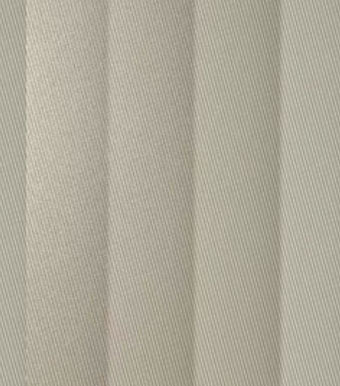
外観と実用性を兼ね備えた内装壁材であるSPC 3Dウェーブパネル(コーヒーカラー、FS8601-818)は、独特の波模様と落ち着いたコーヒーカラーで、様々な空間に高級感あふれる質感を手軽にプラスします。同時に、環境に優しく、耐久性にも優れ、使い勝手も抜群。現代の住宅や商業施設の内装壁材として最適なソリューションです。
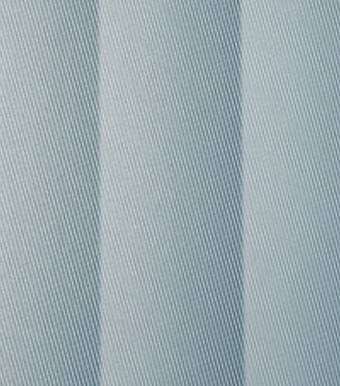
【空間に建築的な奥行きと静謐さをプラス】モデルFS8801-818 SPC 3Dウェーブウォールパネルで、平坦で味気ない壁を息を呑むような魅力的な空間へと変身させましょう。落ち着いたライトブルー仕上げのダイナミックで触感豊かな波模様が特徴のこのパネルは、光と影を美しく映し出し、どんな部屋にも動きとモダンなエレガンスをもたらします。壊れやすい石膏やMDF製の3Dパネルとは異なり、この建築的な傑作は、耐久性に優れた厚さ4mmのストーンプラスチック複合材(SPC)コアで裏打ちされています。600mmと1200mmの大型サイズをご用意しており、ほぼ継ぎ目のない連続したアクセントウォールを実現できます。最高の効率性を追求して設計されており、未仕上げの壁に直接設置できるため、迅速なリノベーションにも高級新築にも最適なアップグレードです。

グリーンスピードウォールパネルQは、独特の菊模様の質感を持っています。竹繊維複合材のコアとPVC表面という持続可能な資源で作られたこのエコウォールパネルは、内装壁材として最適です。優れた環境性能に加え、スムーズな施工と長期にわたる耐久性も特長です。
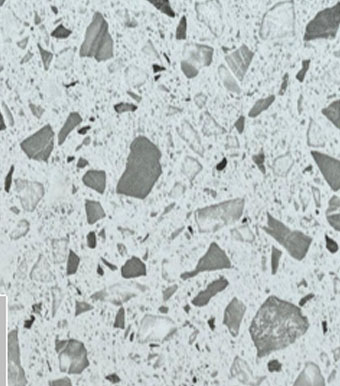
【クラシックなテラゾーの魅力と次世代SPC技術の融合】テラゾーシリーズのSPCウォールパネルで、鮮やかで個性的なインテリアを瞬時に格上げしましょう。伝統的な流し込みテラゾーの遊び心あふれる斑点模様を再現したこのプレミアムクラッディングは、本物の石材複合材のような重さ、コスト、面倒な施工なしに、ハイエンドなデザインを実現します。高密度4mmの石材プラスチック複合材(SPC)コアを裏打ちしているため、非常に丈夫で完全防水です。600mmと1200mmの大型サイズをご用意しており、継ぎ目のない美しい壁面を演出します。最高の効率性を追求して設計されているため、未仕上げの壁に直接取り付けることができ、迅速な現代リノベーションに最適な選択肢です。
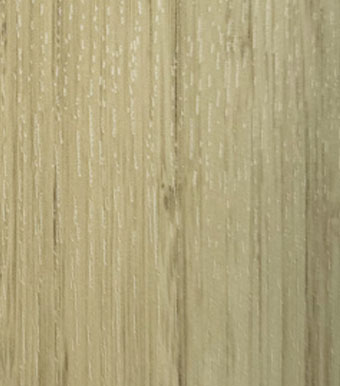
【禅の美学と不朽のSPCエンジニアリングの融合】Qバンブー&ウッドグレインシリーズのSPCウォールパネルで、空間に自然の穏やかでオーガニックな美しさを吹き込みましょう。このモデルは、天然の竹と上質な木材の新鮮でエレガントな質感を完璧に再現し、インテリアデザインに落ち着いたバイオフィリックな要素をもたらします。4mm厚の頑丈なストーンプラスチック複合材(SPC)コアを裏打ちすることで、本物の木材や竹のようなメンテナンスの手間をかけずに、極めて高い耐久性を実現しています。600mmと1200mmの大型幅で展開されるこれらのパネルは、息を呑むような連続した建築的特徴を生み出します。最高の効率性を追求して設計されており、未加工の壁に直接設置できるため、迅速かつ費用対効果の高いリノベーションに最適なプレミアムソリューションです。
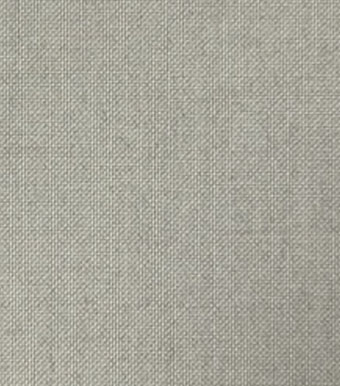
【高級テキスタイルの温かみと、SPCの不朽のパワー】メンテナンスの手間をかけずに、高級ファブリック壁紙のような心地よく洗練された外観を実現します。ファブリックグレインシリーズのSPCウォールパネルは、高級テキスタイルの柔らかな織り目模様を見事に再現しながら、4mm厚の頑丈なストーンプラスチック複合材(SPC)コアで裏打ちされています。本物の布地とは異なり、これらのパネルは汚れを吸収したり、破れたり、カビが生えたりすることはありません。600mmと1200mmの大型幅で、ほぼ継ぎ目のない美しいアクセントウォールを作り出します。最高の効率性を追求して設計されており、未加工の壁に直接設置できるため、あらゆるインテリア空間を迅速かつ費用対効果の高い方法でグレードアップするのに最適なソリューションです。
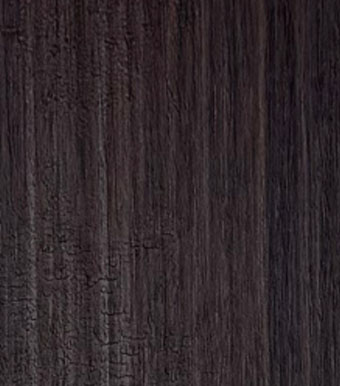
【木材の時代を超えた温もり、SPCの不朽のパワー】従来の木材のようなメンテナンスの手間をかけずに、自然の魅力的な美しさを空間に取り入れましょう。モデルFM-295 SPCウォールパネルは、天然広葉樹の質感と奥行きを忠実に再現した、非常にリアルな木目調仕上げが特徴です。高密度4mm厚のストーンプラスチック複合材(SPC)コアを採用することで、腐食、反り、シロアリ被害のリスクを完全に排除しています。600mmと1200mmの大型幅をご用意しており、連続した美しい建築デザインを実現します。さらに、未塗装の壁に直接設置できるため、迅速かつ費用対効果の高い、プレミアムなインテリアアップグレードに最適なソリューションです。
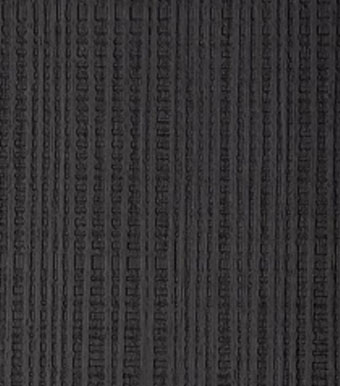
【柔らかなファブリックの美しさと、耐久性に優れたSPC構造の融合】バティックリネン仕上げのM7008-6H SPCウォールパネルで、インテリアに温かみ、質感、そして洗練された雰囲気をプラスしましょう。このモデルは、染色リネンのオーガニックで織り込まれた美しさを巧みに表現しながら、4mm厚のソリッドストーンプラスチックコンポジット(SPC)コアによる極めて高い耐久性を実現しています。600mmと1200mmの2種類の幅をご用意しており、息を呑むほど美しい、ほぼ継ぎ目のない壁面を作り出します。最大限の効率性を追求して設計されたこのパネルは、未加工の壁に直接設置できるため、迅速なリノベーションや上質なインテリアスタイリングに最適な建築ソリューションです。
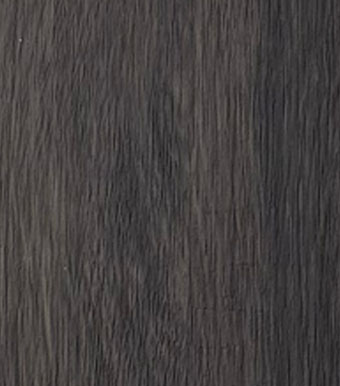
【継ぎ目のない大判壁材でインテリアを再定義】 モデルFM-291 SPCウォールパネルで、建築・インテリアデザインプロジェクトを格上げしましょう。高密度ストーンプラスチック複合材(SPC)コアとプレミアムPVC表面を採用したこの4mm厚パネルは、妥協のない耐久性と高級感あふれる美しさを実現します。600mmと1200mmという印象的な大判幅で展開し、継ぎ目を最小限に抑えることで、息を呑むような連続した壁面デザインを生み出します。最高の効率性を追求して設計されたFM-291は、未加工の壁に直接設置できるため、迅速な改修工事や高級商業施設の建設に最適な選択肢となります。
【大判パネルで空間を再定義】高性能SPCウォールパネルでインテリアを一新しましょう。驚くほどリアルな石目調仕上げが特徴のこの大判パネルは、600mmと1200mmの2種類の幅をご用意。継ぎ目がほとんど目立たず、天然大理石や石板のような、途切れのない高級感あふれる仕上がりを実現します。超耐久性の4mm厚ストーンプラスチック複合材(SPC)コアを採用し、比類のない構造安定性を実現。さらに、未塗装の壁に直接施工できるため、迅速なリフォームや新築工事に最適な、究極の時間節約ソリューションです。
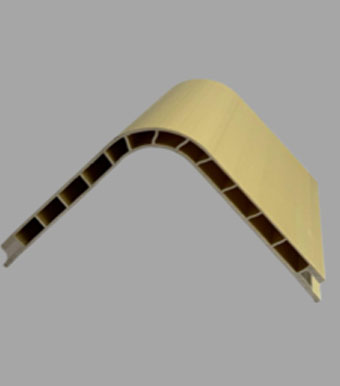
【頑丈なエッジ保護とシームレスな壁面一体化】モデルYJSS-1 SPC外部コーナーモールディングで、室内コーナーを完璧で高級感のある仕上がりに。超耐久性のストーンプラスチック複合材(SPC)コアと革新的なダブルメススロットを採用したこのモールディングは、壁パネルとの非常に安全なインターロッキング接続を実現します。幅105mm、奥行き9mmというしっかりとしたサイズで、外向きコーナーを衝撃からしっかりと保護します。さらに、未仕上げの壁に直接取り付けられるように設計されているため、現代のリフォームにおいて究極の時間短縮ソリューションとなります。

【先進的なモジュール組立の基盤】 GreenSpeed SPC装飾プロファイルIで、製造および建築プロジェクトを最適化しましょう。当社のプレハブ部品シリーズのフラッグシッププロファイルとして、現代の「非木材」家具およびモジュール建築分野向けに綿密に設計されています。長年の実績を持つほぞ継ぎシステムの安定性と次世代の石材プラスチック複合材(SPC)コアを組み合わせたProfile-Iは、比類のない構造的完全性、シームレスな組立性、そしてハイエンドな美的汎用性を提供します。

【モジュール式家具のための次世代エンジニアリング】 GreenSpeed SPC装飾プロファイル-2で、製造能力を向上させましょう。プレハブ構造物や革新的な「非木材」家具業界向けのプレミアムアクセサリーとして特別に設計されたこのプロファイルは、美観と構造的優位性の完璧なバランスを提供します。伝統的なほぞ継ぎシステムと耐久性の高い石材プラスチック複合材(SPC)コアを組み合わせたProfile-2は、継ぎ目のない、金具不要の組み立てソリューションを提供し、あらゆる環境で従来の木材を凌駕します。

【精密工学とモダンモジュラー家具の融合】 GreenSpeed SPC装飾プロファイル-3で、製造プロセスに革命を起こしましょう。プレハブ構造物や急速に成長している「非木材」家具分野向けに特別に設計されたこのプロファイルは、伝統的な職人技の強さと最先端の素材をシームレスに融合させています。超精密なほぞ継ぎシステムを採用し、接着剤や金具を使わずに非常に安定した組み立てが可能です。剛性の高いストーンプラスチック複合材(SPC)コアを基盤とし、従来の木製部品に代わる究極のサステナブルな選択肢です。

【モジュール式建築のための高度なコーナー統合】 GreenSpeed SPC外部コーナートリムで、構造組立を効率化しましょう。現代のプレハブ建築システム向けに特別に設計されたこの頑丈な100mm幅のコーナープロファイルは、標準的な構造プロファイルと完璧に噛み合うように設計された特殊なダブルメススロットを備えています。ストーンプラスチック複合材(SPC)コアの極めて高い耐久性と汎用性の高いPVC表面を組み合わせることで、複雑な建築プロジェクトに完璧で耐衝撃性のある仕上がりを提供します。

【モジュール式建築のための堅牢なコーナー保護】GreenSpeed SPC外部コーナートリムで、プレハブ建築やモジュール式建築プロジェクトをアップグレードしましょう。幅100mmの堅牢な構造と、非常に耐久性の高いストーンプラスチック複合材(SPC)コアを採用したこの頑丈なコーナーガードは、比類のない耐衝撃性と構造安定性を提供します。構造プロファイルとのシームレスな統合を実現するために特別に設計された革新的なダブルメススロットを備え、現代の組立構造物や交通量の多い環境に最適なコーナーソリューションです。
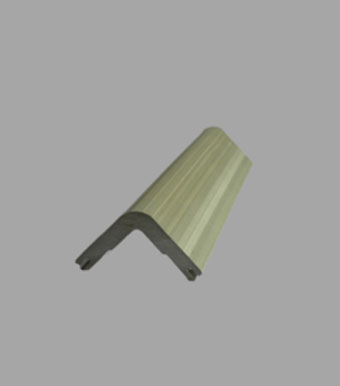
【継ぎ目のないインターロッキングで完璧な壁角を実現】YJMS-2外部コーナーモールディングで、完璧な90度の仕上がりを実現しましょう。革新的なダブルメススロット(デュアルグルーブ)設計を採用したこのモールディングは、既存の壁パネルとシームレスにインターロッキングするように特別に設計されています。幅40mm、奥行き8mmのこのモールディングは、外向きのコーナーに堅牢で美しい仕上がりをもたらします。さらに、未塗装の壁に直接取り付けられるため、時間と労力を大幅に節約できます。
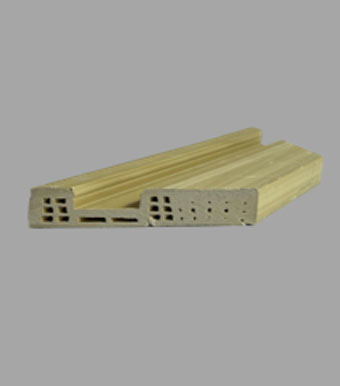
【現代のモジュール式家具のための究極の構造ソリューション】モデルXCMS-1 WPCプロファイルボードで、製造プロセスとインテリアデザインを変革しましょう。プレハブ式の非木製家具の需要の高まりに対応するために特別に設計されたこの高耐久性プロファイルは、木材の自然な美しさと、木材プラスチック複合材(WPC)の高い耐久性を兼ね備えています。幅75mm、厚さ18mmというしっかりとした構造で、モジュール式キャビネット、間仕切り、特注什器に優れた構造強度を提供します。
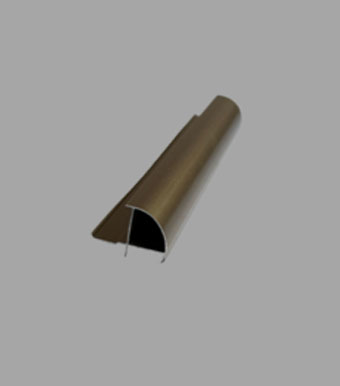
【シームレスな保護とモダンなエレガンス】モデルYJ-2丸型外角トリムで、インテリアのエッジをアップグレードしましょう。高級アルミニウム合金コアから作られたこの曲線状のエッジガードは、壁面との滑らかでエレガントなつながりを実現すると同時に、日常的な衝撃からしっかりと保護します。丸みを帯びたデザインは、どんな部屋にも柔らかな印象を与えるだけでなく、鋭利な角をなくすことで、現代の住宅や商業施設に最適な、家族に優しい安全機能を提供します。
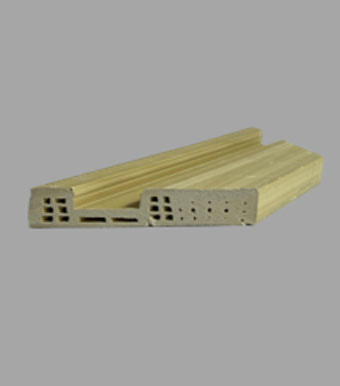
モデルXCMS-1 WPCプロファイルボードで、モジュール設計を再定義しましょう。プレハブ式の「非木材」家具システム向けに特別に設計されたこの堅牢なプロファイル(幅75mm、厚さ18mm)は、モダンなインテリアに最適な構造ソリューションを提供します。モジュール式キャビネット、間仕切り、高級オフィス家具など、どのような用途でも、XCMS-1は木材の温かみと木材プラスチック複合材の工業グレードの性能を兼ね備えています。
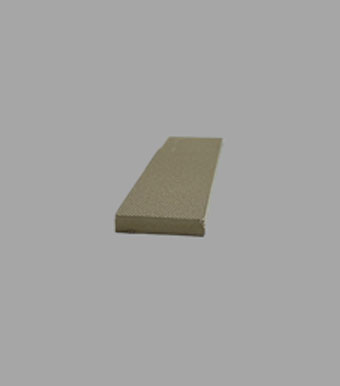
【現代モジュラー家具に革命を】モデルXCMS-3 WPCプロファイルボードで、家具製造とインテリアプロジェクトをアップグレードしましょう。プレハブ式家具や非木製家具システム向けに特別に設計されたこの高性能プロファイルボードは、天然木の美しい外観と、木材プラスチック複合材(WPC)の優れた耐久性を兼ね備えています。持続可能で長持ちし、組み立てやすい素材をお探しのメーカーやデザイナーにとって理想的な選択肢です。
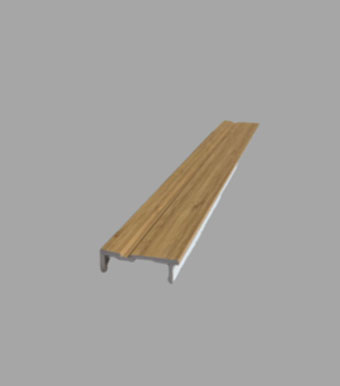
【完璧なインテリアを実現する理想的な移行部】当社のモデルTJ01プレミアムSPCベースボードで、床材と壁パネルの施工を完璧に仕上げましょう。超耐久性のストーンプラスチック複合材(SPC)コアと洗練されたPVC仕上げで設計されたこの幅木は、壁と床の間の完璧な移行部を提供します。伸縮継ぎ目を効果的に隠し、壁の下部を日常的な衝撃から保護し、空間全体の美観を高めます。
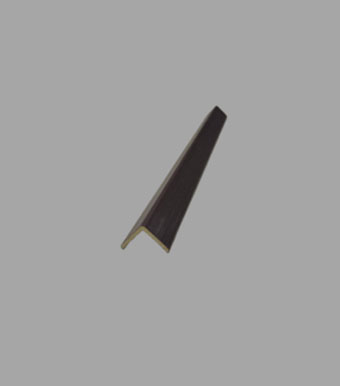
【完璧なエッジ保護とシームレスなデザイン】YJMS01外部コーナーモールディングで、室内の壁を完璧に磨き上げられたような仕上がりに。頑丈な3mmの厚みと洗練された25mmの幅で設計されたこのプレミアムWPCエッジガードは、優れた耐衝撃性を備えながら、壁パネルをシームレスにつなぎ合わせます。露出したエッジを隠し、日常的な摩耗を防ぎ、空間全体の印象を高める究極の仕上げです。
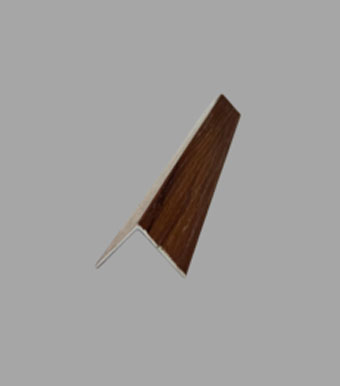
【モダンインテリアに最適な仕上げ】細部にこそ品質が宿る。当社のモデルYJMS02外角トリムは、壁の端を美しく仕上げる究極のソリューションです。衝撃や摩耗からしっかりと保護するだけでなく、壁パネル間の隙間をシームレスに埋め、あらゆるインテリア空間に清潔感と高級感、そして統一感のある外観をもたらします。
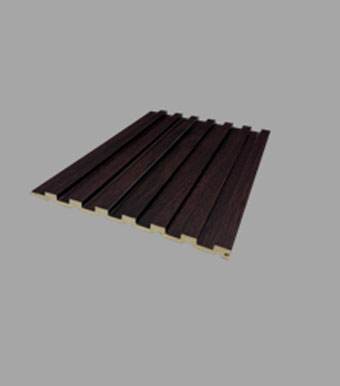
プレミアムグレートウォール装飾パネル(モデル:CCMS-1) - 優雅さと耐久性を兼ね備えたプレミアム建築用壁パネルで、インテリアデザインを簡単にアップグレードできます。革新的な木材プラスチック複合材(WPC)コアを高品質のプレミアムPVC表面で包んだこの壁パネルは、リビングルーム、オフィス、商業スペースなど、あらゆる場所にモダンで洗練された外観を提供し、完璧な表面仕上げを実現します。
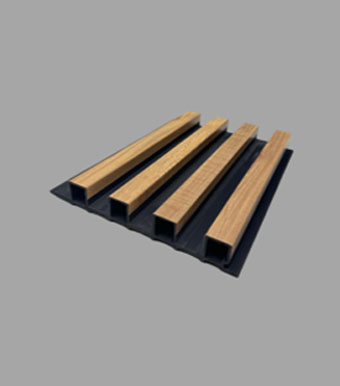
この独特なリブ状の波型デザインは、グレートウォール装飾パネルに奥行きとモダンな印象を与え、アクセントウォールに最適です。縦のラインがパネルに高さを出し、アクセントラインと相まって視覚的な面白さを演出します。アクセントウォール、装飾、趣味の部屋、ホームシアター、バーやクラブ、レストラン、ショッピングモールなど、様々な場所で活躍します。耐久性に優れたPVC表面と木材プラスチック複合材(WPC)コアで作られたこのパネルは、見た目の美しさと優れた性能を兼ね備えています。
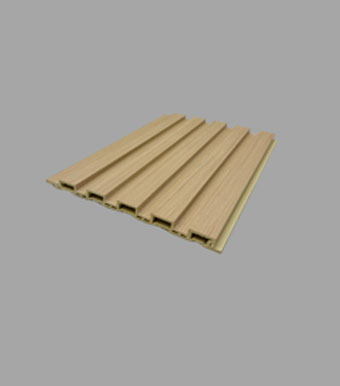
耐久性に優れ、高級感あふれる外観を持つWPC(木材プラスチック複合材)製の溝付き壁パネル、CCMS-8スリムシリーズで、インテリアをモダンにアップデートしましょう。スリムシリーズは、厚さ10mmの薄型プロファイルと、幅150mmのモダンなスリムデザインで、洗練されたミニマルな印象を与えます。
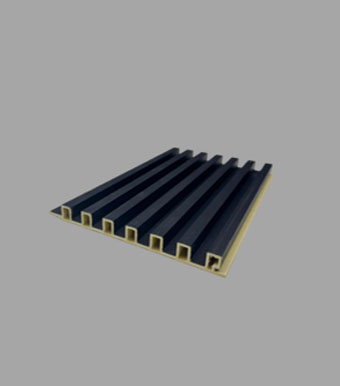
CCMS-3クラシックシリーズは、時代を超越したデザインと業界最先端の建築技術を完璧に融合させた製品です。幅広いサイズ展開を誇る「標準」サイズは幅150mm×厚さ15mmのWPC(木材プラスチック複合材)製溝付き壁パネル。際立った質感と印象的なスケール感で、住宅用・商業用を問わず、あらゆるインテリア空間に最適な存在感のある壁パネルです。
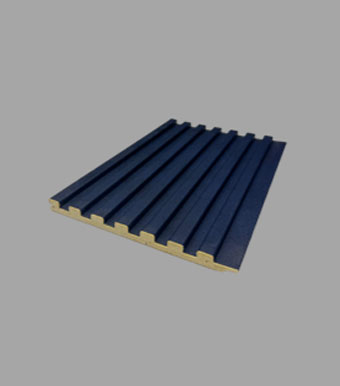
CCMS-2 エレガントスリムシリーズで、インテリアに個性的な質感をプラスしましょう。幅140mmのスリムなデザインに、厚さ10mmのWPC(木材プラスチック複合材)製溝付きパネルを採用。細くタイトなスラットが、印象的な現代的な美しさを演出します。軽量でありながら抜群の耐久性を誇るCCMS-2は、住宅のさりげない空間にも、商業施設の大胆な空間にも適した、汎用性の高いデザインソリューションです。
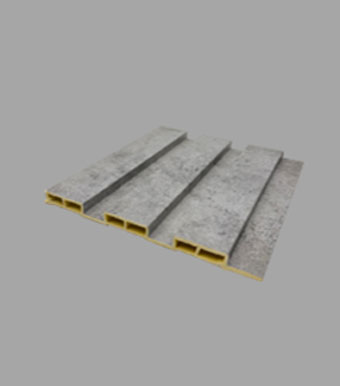
CCMS-7 WPC溝付き壁パネル(通称「グレートウォールパネル」)で、お部屋のインテリアをワンランクアップさせましょう。WPC溝付き壁パネルは、木目調の自然な風合いと耐久性に優れた現代的な複合素材を組み合わせることで、空間に非常にエレガントでユニークな高級感をもたらします。住宅用にも商業用にも最適です。
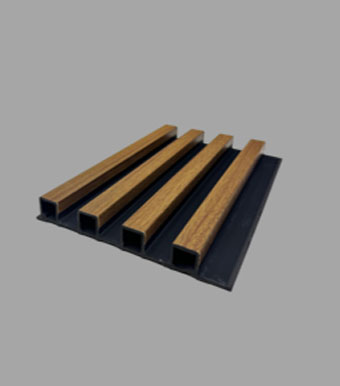
プレミアムWPC溝付き壁パネル(通称グレートウォールパネル)で、インテリア空間を一新しましょう。美しい外観と堅牢な性能を両立させたこの建築用パネルは、現代の住宅や商業施設のインテリアに最適なソリューションです。リビングルームに質感を与えたい場合でも、企業のロビーを格上げしたい場合でも、CCMS-6モデルは比類のないスタイルと耐久性を提供します。
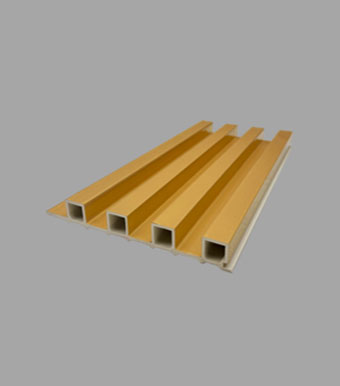
グレートウォール装飾パネルのリブと波状のデザインは、インテリアに驚くほどの奥行きを与え、モダンな美しさを演出します。壁パネルの垂直ラインのデザインは、高さを際立たせるだけでなく、魅力的なアクセントウォール、スクリーン、内装壁材、アクセントウォール、間仕切りなど、住宅や商業施設における様々な用途に最適です。木材プラスチック複合材(WPC)コアと耐久性に優れたPVC表面材を採用したこのパネルは、美しい外観と高い性能、そして耐久性を兼ね備えています。
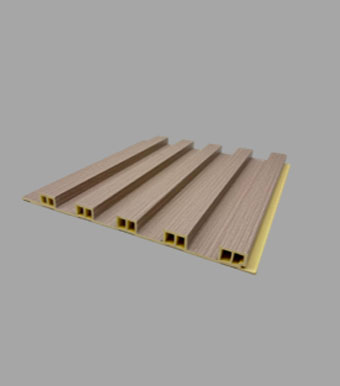
CCMS-8ウルトラワイドシリーズで、印象的な空間を演出しましょう。この最高級WPC(木材プラスチック複合材)製溝付き壁パネルは、幅広いデザインを取り揃え、幅276mm、厚さわずか18mmという圧倒的なサイズを誇ります。視覚的な魅力と迅速な施工性を兼ね備えたCCMS-8は、住宅用にも商業用にも最適で、妥協のない高品質な仕上がりを実現します。
あらゆる段階で環境への配慮を徹底 当社のパネルは、リサイクル素材とバイオベース素材をブレンドして作られており、製造段階から二酸化炭素排出量を削減しています。大規模なプロジェクトでも小規模な工事でも、これらの壁パネルを選ぶことで、環境面で大きなアドバンテージを得ることができます。
あらゆる段階で環境への配慮を徹底 当社のパネルは、リサイクル素材とバイオベース素材をブレンドして作られており、製造段階から二酸化炭素排出量を削減しています。大規模なプロジェクトでも小規模な工事でも、これらの壁パネルを選ぶことで、環境面で大きなアドバンテージを得ることができます。
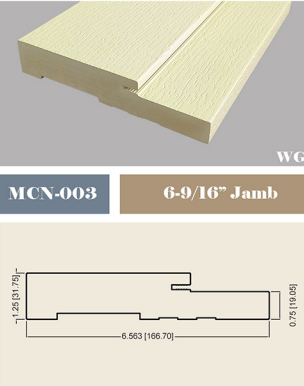
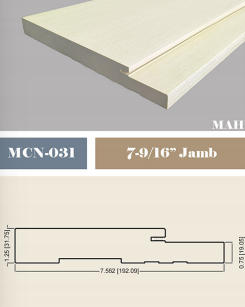
MCN-003ドア枠は、ドアや窓の開口部の側面奥行きを覆うように設計された6-9/16インチのドア枠プロファイルです。ドアの端から外壁面まで完全に覆い、ドアの取り付けベースとして安定感を提供すると同時に、開口部の端をすっきりと仕上げます。特に、厚みのある壁や外断熱壁のドア枠システムに適しています。
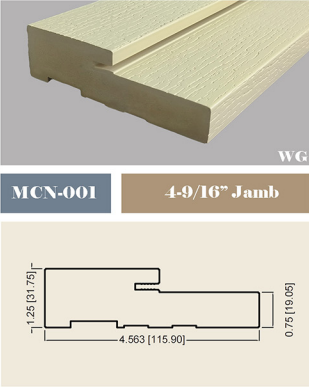
MCN-001ドア枠は、ドアや窓の開口部の側面奥行きを覆うように設計された4-9/16インチのドア枠プロファイルです。ドアの端から外壁面まで完全に覆い、ドアの取り付けベースとして安定感を提供すると同時に、開口部の端をすっきりと仕上げます。住宅および商業ビルにおける標準的な壁面ドア枠システムに適しています。
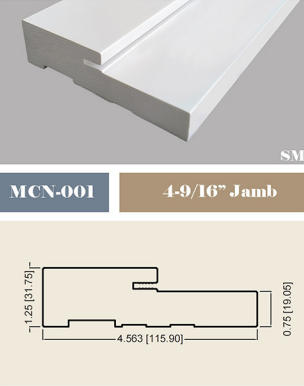
MCN-001ドア枠は、ドアや窓の開口部の側面奥行きを覆うように設計された4-9/16インチのドア枠プロファイルです。ドアの端から外壁面まで完全に覆い、ドアの取り付けベースとして安定感を提供すると同時に、開口部の端をすっきりと仕上げます。住宅および商業ビルにおける標準的な壁面ドア枠システムに適しています。
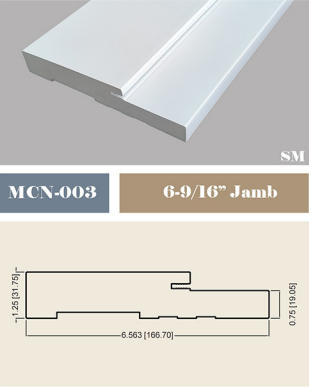
MCN-003ドア枠は、ドアや窓の開口部の側面奥行きを覆うように設計された6-9/16インチのドア枠プロファイルです。ドアの端から外壁面まで完全に覆い、ドアの取り付けベースとして安定感を提供すると同時に、開口部の端をすっきりと仕上げます。特に、厚みのある壁や外断熱壁のドア枠システムに適しています。
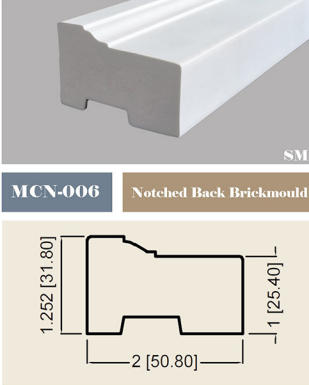
MCN-006ノッチバックブリックモールドは、ドアや窓枠として使用できる高級外装トリムです。背面の切り欠きにより、レンガ、スタッコ、サイディングにぴったりとフィットします。WGシリーズのブリックモールドは、さまざまな壁厚や用途に対応できるよう、スリム化されています。
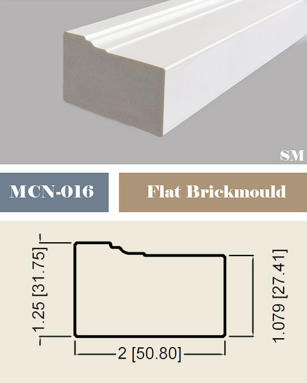
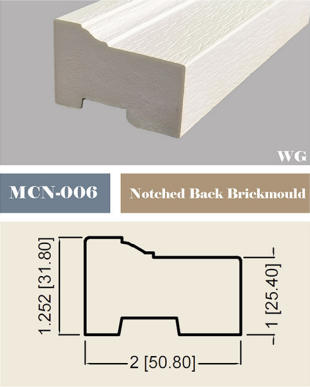
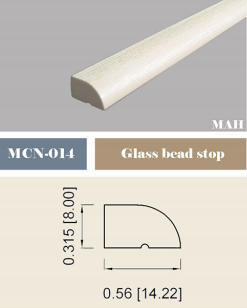
MCN-014ガラスビーズストップは、ドアや窓のガラスパネルを固定、位置決め、密閉するために使用される、プロ仕様のガラス部材です。ガラスとフレームの間に取り付けることで、ガラスの動きを防ぎながら、すっきりとした美しい仕上がりを実現します。住宅用および商業用ドア・窓システムに適しています。
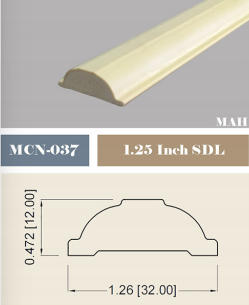
MCN-037 SDLは、ガラス面に直接貼り付けるように設計された、幅1.25インチの擬似分割ガラス装飾ストリップです。伝統的な本物の分割ガラス窓の外観を再現し、窓全体を交換することなく、クラシックな多連窓の美しさを実現します。すっきりとした形状は、様々な建築様式にマッチします。
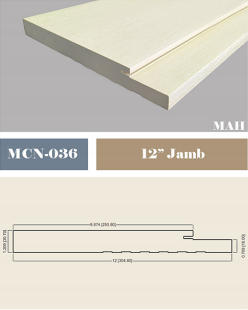
MCN-036 12インチドア枠は、厚い壁や奥行きのあるドア・窓開口部向けに設計された、幅広タイプのドア枠です。ドアの端から外壁面までをしっかりと支える幅広設計で、安定したドアサポートとすっきりとした美しい仕上がりを実現します。住宅、商業施設、工業施設など、幅広い用途に適しています。
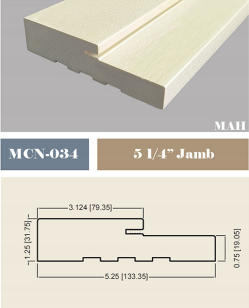
MCN-034ドア枠は、ドアや窓の開口部の側面奥行きを覆うように設計された5-1/4インチのドア枠プロファイルです。ドアの端から外壁面まで完全に覆い、ドアの取り付けベースとして安定感を提供すると同時に、開口部の端をすっきりと仕上げます。住宅および商業ビルにおける標準および厚壁ドア枠システムに適しています。
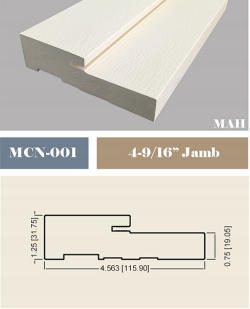
MCN-001ドア枠は、ドアや窓の開口部の側面奥行きを覆うように設計された4-9/16インチのドア枠プロファイルです。ドアの端から外壁面まで完全に覆い、ドアの取り付けベースとして安定感を提供すると同時に、開口部の端をすっきりと仕上げます。住宅および商業ビルにおける標準的な壁面ドア枠システムに適しています。
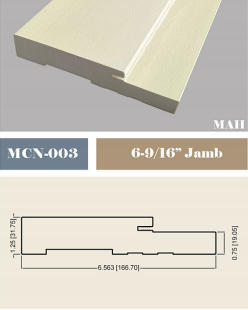
MCN-003ドア枠は、ドアや窓の開口部の側面奥行きを覆うように設計された6-9/16インチのドア枠プロファイルです。ドアの端から外壁面まで完全に覆い、ドアの取り付けベースとして安定感を提供すると同時に、開口部の端をすっきりと仕上げます。特に、厚みのある壁や外断熱壁のドア枠システムに適しています。
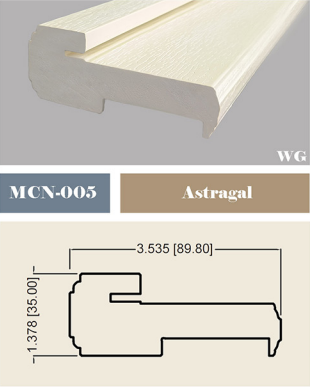
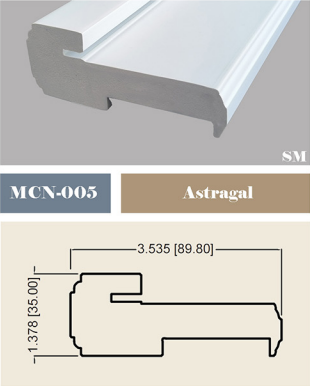
このアストラルは、両開きドア(フレンチドア/ペアドア)用に設計されたプロ仕様のドアトリム部品です。非可動側のドアの端に取り付けることで、2枚のドアの間の隙間を覆い、気密性、遮音性、プライバシーを向上させ、美しい仕上がりを実現します。
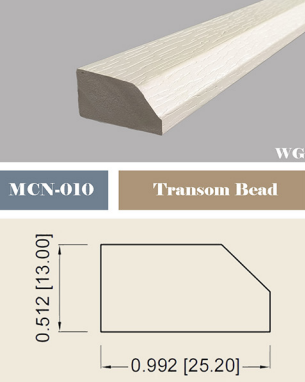
MCN-010トランサムビードは、トランサム窓(ドア上部の欄間窓/固定窓)用に専門的に設計された装飾トリムです。トランサム部分の装飾的な縁取り、ガラスの保持、または移行トリムとして機能します。コンパクトなビード形状は、住宅や商業ビルのドア開口部に洗練されたディテールを加えます。
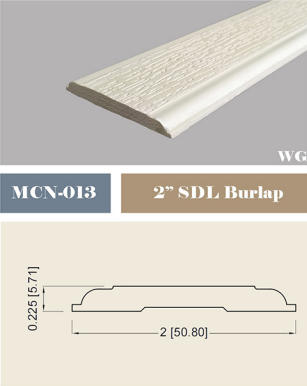
MCN-013 SDLバーラップは、ガラス面に直接貼り付けることで、伝統的な本物の格子窓の外観を再現できる、幅2インチの擬似格子(SDL)装飾ストリップです。2インチ幅により、より大胆で重厚感のある格子模様が実現します。バーラップ仕上げは独特の布のような質感で、自然で素朴な装飾の魅力を添えます。
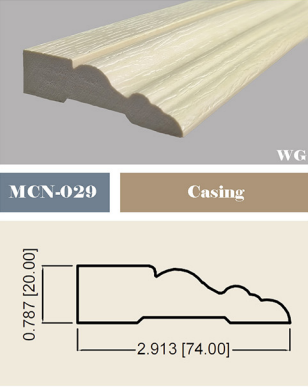
MCN-029ケーシングは、ドア枠と壁面の間に装飾的な継ぎ目を作るために専門的に設計されたドアトリムです。ドア枠と壁面の間の隙間を覆い、すっきりとした仕上がりを実現すると同時に、ドア枠の端を損傷から保護します。住宅および商業施設の室内ドア開口部に適しています。
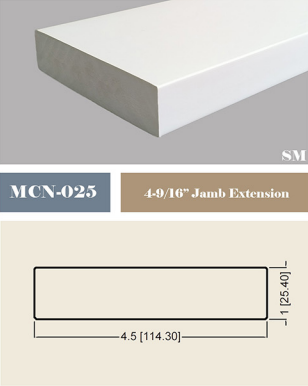
MCN-025 ドア枠延長部材は、厚みのある壁に対応するため、標準的なドア枠の奥行きを延長する4-9/16インチ(約11.6cm)のドア枠延長部材です。壁の厚みが標準的なドア枠の寸法を超える場合、この延長部材は既存のドア枠の端にシームレスに取り付けられ、ドア枠が壁面と面一になるようにし、すっきりとした仕上がりの完全な取り付けベースを提供します。
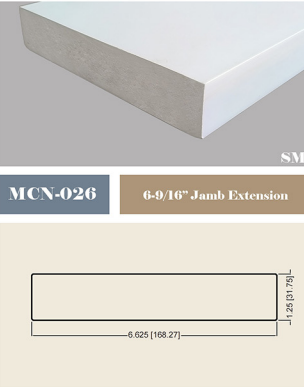
MCN-026 ドア枠延長部材は、標準的なドア枠の奥行きを拡張し、特に厚い壁に対応するために設計された、6-9/16インチのドア枠奥行き延長部材です。壁の厚さが標準的なドア枠の寸法を超える場合、この延長部材は既存のドア枠の端にシームレスに取り付けられ、フレームが壁面と面一になるようにし、すっきりとした仕上がりの完全な取り付けベースを提供します。
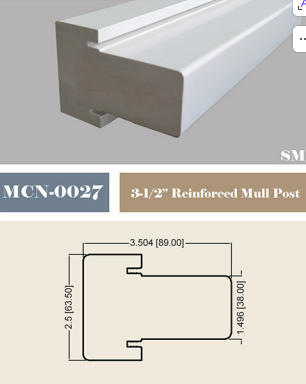
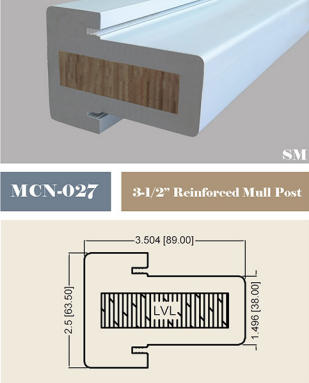
MCN-027強化型マリオンポストは、ドアと窓を組み合わせたシステム用に設計された、直径3-1/2インチの垂直構造部材です。固定窓、可動窓、ドア、サイドライトなどの隣接するユニットを接続・固定し、開口部の安定性と安全性を確保するための構造強度を高めます。内蔵されたLVL(積層単板木材)補強材により、耐荷重性と反り抵抗が大幅に向上しています。
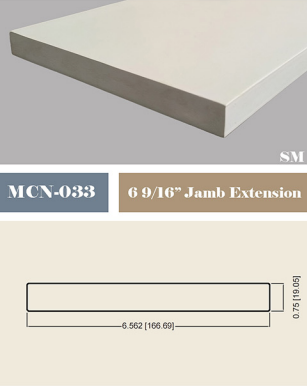
MCN-033 ドア枠延長部材は、厚さ6-9/16インチのドア枠延長部材で、壁の厚みに合わせて標準的なドア枠の奥行きを延長するように設計されています。壁の厚みが標準的なドア枠の寸法を超える場合、この延長部材は既存のドア枠の端にシームレスに取り付けられ、ドア枠が壁面と面一になるようにし、すっきりとした仕上がりの完全な取り付けベースを提供します。
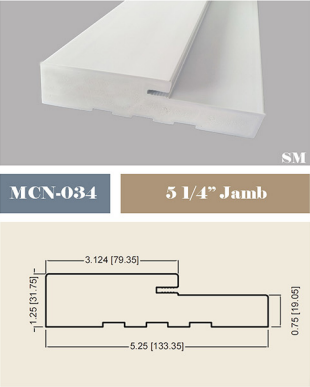
MCN-034ドア枠は、ドアや窓の開口部の側面奥行きを覆うように設計された5-1/4インチのドア枠プロファイルです。ドアの端から外壁面まで完全に覆い、ドアの取り付けベースとして安定感を提供すると同時に、開口部の端をすっきりと仕上げます。住宅および商業ビルの屋内・屋外ドア枠システムに適しています。
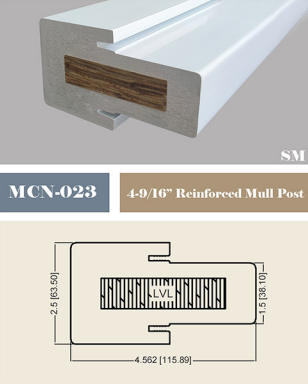
MCN-023強化型マリオンポストは、ドアと窓を組み合わせたシステム用に設計された、直径4-9/16インチの垂直構造部材です。固定窓、可動窓、ドア、サイドライトなどの隣接するユニットを接続・固定し、開口部の安定性と安全性を確保するための構造強度を高めます。内蔵されたLVL(積層単板木材)補強材により、耐荷重性と反り抵抗が大幅に向上しています。
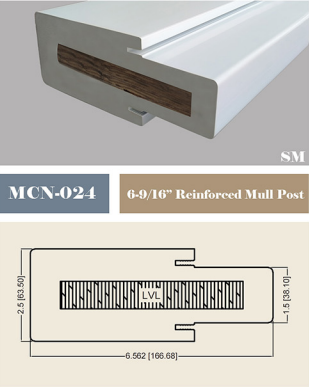
MCN-024強化型マリオンポストは、ドアと窓を組み合わせたシステム用に設計された、直径6-9/16インチの垂直構造部材です。固定窓、可動窓、ドア、サイドライトなどの隣接するユニットを接続・固定し、構造的な強度を高めることで、大開口部の安定性と安全性を確保します。
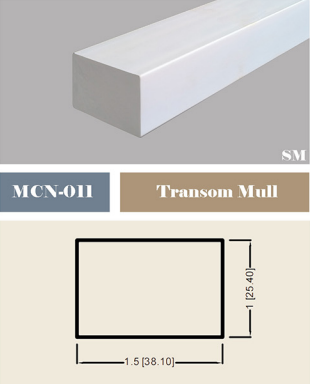
MCN-011トランサムマリオンは、ドアと上部のトランサム窓(サイドライト/ファンライト)を分離するために設計された、プロ仕様の水平フレーム部材です。トランサムを構造的に支えながら、すっきりとした視覚的な仕切り線を作り出し、住宅、商業施設、公共施設のエントランスシステムに適しています。
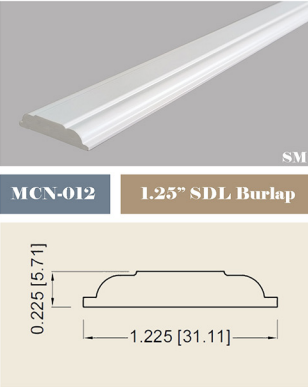
MCN-012 SDLバーラップは、ガラス面に直接貼り付けることで、伝統的な本物の分割窓の外観を再現する、擬似分割窓(SDL)装飾ストリップです。窓全体の構造を交換することなく、クラシックな多連窓の美しさを実現します。バーラップ仕上げは、独特の布のような質感を提供します。
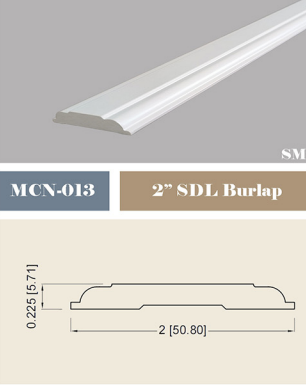
MCN-013 SDLバーラップは、ガラス面に直接貼り付けることで、伝統的な本物の格子窓の外観を再現できる、幅2インチの擬似格子(SDL)装飾ストリップです。幅の狭いタイプと比べて、2インチ幅はより大胆で重厚感のある格子模様を演出します。バーラップ仕上げは独特の布のような質感で、自然で素朴な装飾の魅力を添えます。
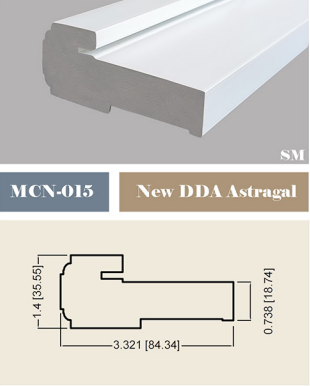
MCN-015 New DDA Astragalは、アクセシビリティ対応の二枚扉システムに関するDDA(障害者差別禁止法/ADA準拠)基準を満たすように設計されたドア用アストラルです。二枚扉の非可動側の扉の端に取り付けられ、2枚の扉板間の隙間を効果的に密閉すると同時に、開閉力や隙間幅などのアクセシビリティ要件への準拠を保証します。
Tel:
+86 18858129513