
أخبار
اتصل بنا الآنHow Flat Brickmould Keeps PVC Door Frames Dry
-
 مؤلف
مؤلف
- 04 سبتمبر 2026


Water around an exterior door rarely fails at one dramatic point. It usually slips through small mismatches between the jamb, the exterior trim, the threshold, and the wall cladding. A flat brickmould detail matters because it gives the opening a clean, predictable edge where installers can seal, fasten, and finish the transition without fighting uneven wood grain or swollen trim.
Water Control Starts at the Trim-to-Jamb Edge
أ PVC door brickmould is not just decorative casing around a door. It covers the exposed joint where the door frame meets siding, stucco, brick, or another exterior finish, so the installer has a stable surface for sealant and mechanical fastening. When that surface stays straight, the sealant bead has a better chance of remaining continuous after shipping, handling, and seasonal movement.
The practical problem for door plants and wholesale distributors is consistency. Wood trim can arrive with knots, soft spots, checks, or moisture variation, and those differences often appear only after cutting and mitering. A composite brick moulding profile gives the door opening a uniform outside edge, so the shop can repeat the same prep, trim fit, and packing method across large batches.
The flat face gives installers a cleaner sealant path
A flat exterior face reduces guesswork at the weather seal. The caulk line can sit against a smooth, non-porous profile rather than crossing open grain or irregular trim fibers. That does not replace flashing, sill-pan detailing, or proper wall drainage, but it helps the finished door system keep its outer water-shedding layer neat and repeatable.
The brickmould also protects the visual edge
The same trim piece also protects appearance at the entrance. A clean, white, factory-consistent profile can hide small siding gaps, frame-to-wall transitions, and cut edges. For distributors, this matters because callbacks often begin as a visual complaint before anyone finds the technical moisture path behind it.
The Threshold Joint Carries the Hardest Moisture Load
The lower corners of an exterior opening take the harshest punishment. Rain hits the door face, snow melts at the sill, cleaning water splashes upward, and wind pressure can push moisture toward the frame. The brickmould can only do its job when the door frame threshold transition is planned as part of the same system.
The important point is alignment, not decoration. The jamb leg, threshold profile, and exterior trim should meet in a way that avoids a small horizontal shelf where water can sit. A complementary threshold profile gives the bottom of the opening a cleaner landing point, while the brickmould frames the sides and head so the installer can complete the drainage path around the whole unit.
| Opening area | Moisture risk | PVC system detail that helps |
| Head and sides | Wind-driven rain reaches trim joints | Flat brickmould supports a continuous sealant line |
| Lower corners | Water collects where jamb, sill, and trim meet | Matched trim and threshold geometry reduce small ledges |
| Frame face | Swelling trim disturbs reveal lines | PVC keeps a stable, non-porous exterior surface |
| Shipment and storage | Movement can open weak miters | Factory-consistent profiles protect repeatable assembly |

PVC Helps the Assembly Stay Stable After Weather Changes
أ weatherproof exterior door frame still depends on correct installation, but the material choice controls how much the trim itself changes before and after installation. PVC resists rot, corrosion, termites, and moisture-related swelling, so the exterior edge is less likely to become the weak link in a damp or freeze-thaw climate.
Xinhong New Materials is relevant here because door manufacturers need profiles that remain predictable through cutting, packing, and repeated assembly. The company focuses on PVC door frame and trim profiles for export markets, including the United States, Canada, the United Kingdom, and Australia, and its factory setup supports high-volume production of PVC profiles. That production role matters when distributors need repeat orders to match previous batches.
Stable profiles reduce avoidable site adjustments
Stable material does not make a poor installation good, but it removes one common source of variation. When the jamb and brickmould arrive straight and dry, installers can spend less time trimming swollen edges or correcting reveal lines. Door plants also get a more predictable component for automated cutting and miter stations.
Exterior terms should match the target market
Language also affects purchasing clarity. In the United States, buyers commonly search for PVC door frame, while Canadian buyers often use PVC door jamb. Keeping both terms in product communication helps the same physical component stay understandable across North American sales channels.
What Door Plants Should Confirm Before Scaling Orders
A moisture-focused trim decision should stay practical. The buyer does not need a long product manual; the buyer needs confidence that the brickmould, jamb, and threshold can be repeated across the intended door line. The most useful checks are simple and physical:
- Confirm the brickmould face gives enough flat bonding area for the planned exterior sealant.
- Check the lower-corner geometry with the threshold profile before approving mass production.
- Match 4-9/16 inch or 6-9/16 inch jamb depth to the target U.S. or Canadian wall build.
- Review packaging so long profiles stay clean, straight, and protected before assembly.
For buyers comparing a PVC exterior door jamb with wood or lower-density plastic, the sample test should focus on the lower corners, miter quality, and threshold fit. When the specification calls for an exterior door jamb PVC option, those details reveal more about field durability than a loose list of advertised features.

Summary
Flat brickmould keeps a PVC door frame dry by making the exterior edge easier to seal, easier to repeat, and less vulnerable to moisture movement. The best result comes when the brickmould is not treated as a separate trim accessory, but as part of the same weather-control path as the jamb and threshold.
For door factories or distributors developing exterior units, Xinhong New Materials can support PVC frame, jamb, and flat brickmould discussions around the target market, wall depth, and threshold match before production details are finalized.
التعليمات
Is flat brickmould only for appearance?
Flat brickmould improves appearance, but its bigger value is the clean transition it creates between the door frame and exterior wall finish. That transition gives sealant and fasteners a more predictable surface.
Does PVC brickmould replace flashing?
PVC brickmould does not replace sill pans, flashing tape, housewrap integration, or local code requirements. It supports the outer trim layer while the wall system still needs proper drainage detailing.
Why pair brickmould with a threshold profile?
The threshold profile controls the bottom transition where water exposure is highest. Pairing it with matching side and head trim helps reduce small gaps and ledges at the lower corners.
Which term should exporters use, door frame or door jamb?
Both terms matter. U.S. buyers often use door frame, while Canadian buyers often use door jamb, so export content and quotations should keep terminology clear for the target market.
Can PVC exterior trim be painted?
PVC exterior trim usually does not require painting for basic use. When a project needs a special color, buyers should confirm paint compatibility, surface prep, and coating instructions before production.
المنشور السابق:How PVC Profiles Improve Pre-Hung Door Yield
المنشور التالي: لا يوجد منشور تالٍ

منتجات
المنتجات ذات الصلة

صُنعت ألواح FS8802-821 بتقنية الطباعة ثلاثية الأبعاد المتقدمة، وتتميز بنواة من ألياف الخيزران المركبة مغطاة بسطح PVC عالي الجودة، مما يمنحها تصميمًا أنيقًا وصديقًا للبيئة. وهي مناسبة للمشاريع السكنية الحديثة والتصاميم الداخلية التجارية المختلفة كحلول لواجهات الجدران.

لوح الجدران FS8309-823 ذو لون قهوة فاتح عالي الجودة، مصنوع من لب مركب من ألياف الخيزران المستدامة مغطى بطبقة متينة من مادة PVC. يتميز هذا اللوح بلون قهوة فاتح طبيعي أنيق يناسب المنازل العصرية، ومتين بما يكفي للمباني التجارية.

تتميز لوحة الحائط Green Speed Q بتشطيبها الذي يُحاكي نسيج الخيش الطبيعي، مما يضفي دفئًا ونعومةً على أي ديكور داخلي. تحتوي لوحة الحائط Q على مُركّب من ألياف الخيزران يُعزز واجهة PVC عالية الأداء، مما يُنتج لوحة حائط صديقة للبيئة وجذابة بصريًا وسهلة التركيب. مثالية لتكسية الجدران الداخلية بمظهر وملمس ناعمين ومتينين.

تتميز لوحة الحائط الخضراء "سبيد" بلونها البني الدافئ والغني الذي يضمن انسجامها مع معظم أنماط الديكور. صُنعت هذه اللوحة من لبٍّ مركب من ألياف الخيزران الصديقة للبيئة، مغطى بطبقة متينة من مادة PVC. تتمتع هذه الألواح بمواصفات بيئية ممتازة، ونظام تثبيت سهل، وعمر افتراضي طويل. تُعدّ ألواح "سبيد" مثالية لتكسية الجدران الداخلية.

لوحة الحائط Green Speed H ذات الخطوط البيجية هي لوحة جدارية رفيعة ومسطحة ذات ملمس أنيق بخطوط رقيقة تضفي ارتفاعًا وجاذبية بصرية على مساحتك. تتميز ألوان البيج الدافئة للوحات Green Speed بجاذبية واسعة تتناسب مع مختلف أنماط الديكور، سواءً كانت عصرية أو تقليدية. تُعد هذه اللوحات بديلاً ممتازًا للدهانات التقليدية، فهي صديقة للبيئة للغاية، وتتميز بسهولة تركيبها ومتانتها.

لوحة الحائط الخضراء السريعة H باللون الأزرق الفاتح هي لون هادئ ومريح للمساحات الداخلية. اللوحة مصنوعة من مادة مركبة من الحجر والبلاستيك مع سطح PVC، ما يمنحها قوة ومتانة عاليتين، وثباتًا ممتازًا في الأبعاد، وأداءً فائقًا. بفضل خصائصها البيئية الممتازة وسهولة تركيبها، تُعدّ هذه اللوحة خيارًا مثاليًا لتكسية الجدران الداخلية.

لوحة جدارية Green Speed H باللون الوردي، لون رقيق وهادئ يضفي على المكان شعورًا مريحًا بالدفء والأناقة. تتميز هذه اللوحة بنواة من مركب الحجر والبلاستيك (SPC) مدعومة بغلاف خارجي متين من مادة PVC، مما يمنحها مستويات عالية من القوة والثبات في الأبعاد والأداء. تُراعي هذه اللوحة المعايير البيئية، فهي خفيفة الوزن وسهلة التركيب، وتوفر متانة لا مثيل لها وعمرًا طويلًا ككسوة جدارية داخلية.

تتميز لوحة الحائط Green Speed Q المصنوعة من القماش البيج بميزة فريدة - فهي تُشبه النسيج! وفي الوقت نفسه، فهي مصنوعة من مواد مركبة من البلاستيك والحجر، وتوفر جميع الميزات القياسية. يضفي غطاء القماش البيج الناعم والمستدام لمسة دافئة وملمسًا مميزًا على مساحتك. كما تتميز ألواح الجدران والأرضيات المصنوعة من هذه المادة بأداء بيئي ممتاز، وسهولة التركيب، والمتانة، ومقاومة الخدوش، وعدم وجود بيئة مناسبة لنمو الكائنات الدقيقة.

لوحة الحائط Green Speed Q ذات الملمس القماشي الرمادي، تتميز بتصميم نسيجي فريد يضفي لمسة دافئة وأنيقة على المساحات الداخلية. متوفرة بمجموعة متنوعة من الألوان، ويتناسب اللون الرمادي مع العديد من أنماط التصميم، من الحديث إلى التقليدي. يتميز هيكلها الصلب بواجهة متينة من مادة PVC، مما يوفر أداءً فائقًا مع سهولة التركيب والمتانة.

تتميز لوحة الحائط "جرين سبيد" Q ذات اللون الرمادي المدعوم بنسيج ناعم يضفي دفئًا وملمسًا أنيقًا على المكان. يتميز اللون الرمادي بتصميمه العصري وجاذبيته الواسعة، مما يجعله مناسبًا للديكورات الحديثة والكلاسيكية على حد سواء. يوفر النسيج المدعوم إحساسًا وملمسًا فريدًا مع الحفاظ على جميع مزايا الجدار الصلب. تُعد لوحة Q مناسبة للاستخدام ككسوة جدران داخلية، وتتميز بخصائص بيئية جيدة، وسهولة التركيب، ومتانة تدوم طويلًا.

ألواح جدران لوسو Q بنقشة الخشب الرمادي (FM4001-932) هي نوع جديد من مواد تزيين الجدران الداخلية، تجمع بين الملمس الطبيعي والعملية الشاملة. بفضل استخدام لوح صلب عالي الجودة كقاعدة، وطبقة خارجية من مادة PVC عالية الجودة، تُحاكي هذه الألواح بدقة ملمس الخشب الرمادي الأصلي، بلون ناعم وأنيق، وأسلوب طبيعي راقٍ وبسيط. فهي تُوازن بين حماية البيئة والصحة، والمتانة والراحة، والجماليات الزخرفية. بكثافة 0.75 غ/سم³، وسماكة 8 مم، ومزايا التخصيص والتركيب المرنة، أصبحت الخيار الأمثل لتزيين الجدران الداخلية للمنازل والمكاتب الحديثة، حيث تُضفي بسهولة جوًا طبيعيًا ودافئًا على مختلف المساحات، وتُهيئ بيئة معيشية واستخدامية صحية ومريحة وعالية الجودة.

لوحة الحائط Lüsu H Shadow بنمط حبيبات الخشب (FS8002-817) هي نوع جديد من مواد تزيين الجدران الداخلية، تجمع بين جماليات الضوء والظل والعملية الشاملة. مصنوعة من لوح صلب عالي الجودة كقاعدة، ومغطاة بطبقة PVC عالية الجودة، وتعتمد عملية تصنيع مركبة تجمع بين الطباعة النفاثة للحبر عالية الدقة والنقش الدقيق بالليزر، لإعادة إنتاج نسيج حبيبات الخشب الفريد بدقة متناهية. يتميز النسيج بتعدد طبقاته وإحساسه العميق بالضوء والظل، مع لون دافئ وناعم وملمس متدرج، مما يضفي جوًا أنيقًا وبسيطًا. يوازن هذا المنتج بين حماية البيئة والصحة، والمتانة والراحة، والجماليات الزخرفية. بكثافة 0.75 جم/سم³، وسماكة مناسبة 8 مم، ومزايا التخصيص والتركيب المرنة، أصبح خيارًا مثاليًا لتزيين الجدران الداخلية للمنازل والمكاتب الحديثة، حيث يضيف بسهولة لمسة طبيعية وأنيقة من الضوء والظل إلى مختلف المساحات، ويخلق بيئة معيشية واستخدامية صحية ومريحة وعصرية.

لوحة الحائط Lüsu Q Bamboo Wood Grain (1071-201) هي نوع جديد من مواد تزيين الجدران الداخلية، تجمع بين سحر الخيزران الطبيعي والعملية الشاملة. مصنوعة من لوح صلب عالي الجودة كمادة أساسية، ومغطاة بطبقة PVC عالية الجودة، وتعتمد عملية دمج بين الطباعة النفاثة عالية الدقة وطلاء النانو، لإعادة إنتاج الملمس الأصلي للخيزران الطبيعي بدقة، مع استعادة واضحة للملمس الرقيق واللون الدافئ لوصلات الخيزران. تتميز بسحر شرقي بسيط وأنيق، وشعور طبيعي بالراحة، وتوازن بين حماية البيئة والصحة، والمتانة والراحة، والجماليات الزخرفية. بكثافة 0.75 جم/سم³، وسماكة معتدلة 8 مم، ومرونة في التخصيص والتركيب، أصبحت خيارًا عالي الجودة لتزيين الجدران الداخلية للمنازل والمكاتب الحديثة، حيث تضيف بسهولة لمسة من سحر الخيزران الطبيعي الأنيق إلى مختلف المساحات، مما يخلق بيئة معيشية واستخدامية صحية ومريحة وعصرية، ويعكس مفهوم الحياة القائم على البساطة.

لوحة الحائط Lüsu Q Light Bamboo Wood Grain (FY0414-933) هي نوع جديد من مواد تزيين الجدران الداخلية، تجمع بين سحر الخيزران الخفيف والعملية الشاملة. مصنوعة من لوح صلب عالي الجودة كمادة أساسية، ومغطاة بطبقة PVC عالية الجودة، وتعتمد عملية مركبة من الطباعة النفاثة عالية الدقة وطلاء النانو، لإعادة إنتاج الملمس الأصلي للخيزران الطبيعي فاتح اللون بدقة، مع استعادة واضحة للملمس الدقيق لوصلات الخيزران ولونه الفاتح الناعم. تتميز بمظهر طبيعي أنيق وبسيط، يجمع بين حماية البيئة والصحة، والمتانة والراحة، والجماليات الزخرفية. بفضل كثافته العالية التي تبلغ 0.75 غ/سم³، وسماكته المتوسطة التي تبلغ 8 مم، ومزايا التخصيص والتركيب المرنة، أصبح هذا المنتج خيارًا عالي الجودة لتزيين الجدران الداخلية للمنازل والمكاتب الحديثة، حيث يضفي بسهولة لمسة من الشفافية والانتعاش بأسلوب الخيزران على مختلف المساحات، مما يخلق بيئة معيشية صحية ومريحة وبسيطة وجذابة، ويعكس مفهومًا للحياة يتميز بالخفة والطبيعية والبساطة والراحة.

لوحة الحائط Lüsu Q Bamboo Wood Grain (1071-201) هي نوع جديد من مواد تزيين الجدران الداخلية، تجمع بين سحر الخيزران الطبيعي والعملية الشاملة. مصنوعة من لوح صلب عالي الجودة كقاعدة، ومغطاة بطبقة PVC عالية الجودة، وتعتمد عملية دمج بين الطباعة النفاثة عالية الدقة وطلاء النانو، لإعادة إنتاج نسيج الخيزران الطبيعي بدقة متناهية، مع الحفاظ على ملمسه الرقيق وتفاصيله الطبيعية الدافئة. تتميز هذه اللوحة بطابع شرقي عريق وأنيق، وشعور طبيعي بالراحة، وتوازن بين حماية البيئة والصحة، والمتانة والراحة، والجماليات الزخرفية. بفضل كثافته العالية التي تبلغ 0.75 غ/سم³، وسماكته المتوسطة التي تبلغ 8 مم، ومزايا التخصيص والتركيب المرنة، أصبح خيارًا عالي الجودة لتزيين الجدران الداخلية للمنازل والمكاتب الحديثة، حيث يضفي بسهولة سحر الخيزران الأنيق والطبيعي على مختلف المساحات، مما يخلق بيئة معيشية واستخدامية صحية ومريحة ودافئة، ويعكس مفهوم الحياة القائم على العودة إلى البساطة وحماية البيئة منخفضة الكربون، ويسلط الضوء على الموضة الجديدة للديكور الأخضر المتمثلة في "استبدال الخشب بالخيزران".

تتميز لوحة الحائط Green Speed Q باللون البيج بمظهرها الدافئ والناعم الذي يضفي شعورًا بالراحة والأناقة على أي غرفة. صُنعت هذه اللوحة الجدارية والسقفية من لبٍّ مركب من ألياف الخيزران المستدامة، مغطى بواجهة متينة من مادة PVC. تُعدّ هذه اللوحة الداخلية للجدران صديقة للبيئة، سهلة التركيب، وتتمتع بمتانة فائقة.

لوحة الحائط Lüsu FM-295 هي نوع جديد من مواد تزيين الجدران الداخلية، تركز على حماية البيئة والصحة والمتانة وطول العمر. مصنوعة من ألياف الخيزران والخشب عالية الجودة كمادة أساسية، ومغطاة بطبقة PVC عالية الجودة، تجمع هذه اللوحة بين دفء ملمس الخيزران والخشب الطبيعي والأداء الممتاز للمواد الحديثة، محققةً توازناً مثالياً بين الجمال والعملية. بفضل سمكها البالغ 12 مم، وخيارات التخصيص المرنة، ومزاياها الأساسية الشاملة، أصبحت الخيار الأمثل لتزيين الجدران الداخلية في المنازل والمساحات التجارية الحديثة، مما يسهل خلق بيئة معيشية واستخدامية صحية ومريحة وجميلة في مختلف الأماكن.

لوحة الحائط Lüsu M7008-6H Batik Linen هي نوع جديد من مواد تزيين الجدران الداخلية، تجمع بين الجمال والعملية. مصنوعة من لوح صلب عالي الجودة كقاعدة، ومغطاة بطبقة PVC عالية الجودة، وتتميز بتصميم نسيج الكتان الباتيك، مما يمنحها ملمسًا دافئًا ورقيقًا ولمسة كلاسيكية. إنها صديقة للبيئة، متينة، وسهلة الاستخدام. بفضل مظهرها الفريد وأدائها الممتاز، أصبحت خيارًا مثاليًا لتزيين الجدران الداخلية للمنازل والمكاتب الحديثة، حيث تضفي لمسة طبيعية وأنيقة على مختلف المساحات، وتخلق بيئة معيشية مريحة ودافئة.

ألواح جدران لوسو (FS8002-817) هي نوع جديد من مواد تزيين الجدران الداخلية، تركز على حماية البيئة والمتانة وسهولة الاستخدام. فهي مصنوعة من لوح صلب عالي الجودة كمادة أساسية، ومغطاة بطبقة خارجية من مادة PVC عالية الجودة، لتجمع بين الجمال والعملية. بفضل خيارات التخصيص المتعددة وأداء المنتج الممتاز، أصبحت خيارًا مثاليًا لتزيين الجدران الداخلية للمنازل والمكاتب الحديثة، حيث تتكيف بسهولة مع مختلف المساحات، وتخلق بيئة معيشية واستخدامية مريحة وجميلة.
تُضفي لوحة SPC ثلاثية الأبعاد ذات اللون البني الفاتح (FS8601-818)، وهي مادة لتزيين الجدران الداخلية تجمع بين المظهر الجذاب والعملية، لمسةً راقيةً على مختلف المساحات بفضل تصميمها المتموج الفريد ولونها البني الفاتح الهادئ. كما أنها صديقة للبيئة، ومتينة، وسهلة الاستخدام، مما يجعلها الخيار الأمثل لتزيين الجدران الداخلية للمنازل والمكاتب العصرية.
أضف عمقًا معماريًا وهدوءًا إلى مساحتك! حوّل الجدران المسطحة والرتيبة إلى نقاط جذب آسرة مع لوحة الحائط ثلاثية الأبعاد SPC FS8801-818. تتميز هذه اللوحة بنسيج موجي ديناميكي ملموس، ولون أزرق فاتح هادئ، وتتفاعل بشكل رائع مع الضوء والظل لتضفي حركة وأناقة عصرية على أي غرفة. على عكس ألواح الجبس أو MDF ثلاثية الأبعاد الهشة، تتميز هذه التحفة المعمارية بنواة متينة للغاية من مركب الحجر والبلاستيك (SPC) بسماكة 4 مم. متوفرة بأحجام كبيرة بعرض 600 مم و1200 مم، مما يسمح بإنشاء جدران مميزة متصلة بسلاسة. صُممت هذه اللوحة لتحقيق أقصى قدر من الكفاءة، حيث يمكن تركيبها مباشرة على الجدران غير المكتملة، مما يجعلها الخيار الأمثل للتحديثات السريعة والمشاريع الجديدة الفاخرة.

تتميز لوحة الحائط Green Speed Wall Panel Q بنسيج فريد يشبه زهرة الأقحوان. مصنوعة من موارد مستدامة، تتكون من لب مركب من ألياف الخيزران وسطح من مادة PVC، تُعد هذه اللوحة الصديقة للبيئة مناسبة لتكسية الجدران الداخلية. فهي لا تتميز فقط بفوائدها البيئية الكبيرة، بل تتميز أيضًا بسهولة تركيبها ومتانتها التي تدوم طويلًا.
【سحر الترازو الكلاسيكي يلتقي بهندسة SPC من الجيل الجديد】 ارتقِ بديكور منزلك فورًا مع جمالية ألواح الجدران SPC النابضة بالحياة والمصممة خصيصًا لك من سلسلة الترازو. تجسد هذه الألواح الفاخرة جمال الترازو المصبوب الكلاسيكي المرقط، وتوفر تصميمًا راقيًا دون الوزن الثقيل أو التكلفة الباهظة أو صعوبة التركيب التي تتطلبها الأحجار المركبة الحقيقية. مدعومة بنواة من مركب الحجر والبلاستيك (SPC) عالي الكثافة بسماكة 4 مم، فهي متينة للغاية ومقاومة للماء تمامًا. تتوفر هذه الألواح بعرضين كبيرين 600 مم و1200 مم، لتخلق جدرانًا رائعة ومتناسقة. صُممت هذه الألواح لتحقيق أقصى قدر من الكفاءة، حيث يمكن تركيبها مباشرة على الجدران غير المكتملة، مما يجعلها الخيار الأمثل لعمليات التجديد العصرية السريعة.
【جماليات زن تلتقي بهندسة SPC فائقة المتانة】 أضف لمسة من الهدوء والجمال الطبيعي إلى مساحتك باستخدام ألواح الجدران SPC من سلسلة Q Bamboo & Wood Grain. يجسد هذا التصميم ببراعة الملمس الأنيق والمنعش للخيزران الطبيعي والخشب الفاخر، ليضفي لمسة من الهدوء والتناغم مع الطبيعة على تصميمك الداخلي. مدعومًا بنواة صلبة من مركب الحجر والبلاستيك (SPC) بسماكة 4 مم، يوفر هذا التصميم متانة فائقة دون عناء الصيانة الذي يصاحب الخشب أو الخيزران الحقيقي. تتوفر هذه الألواح بعرضين كبيرين: 600 مم و1200 مم، لتخلق عناصر معمارية متصلة تخطف الأنفاس. صُممت هذه الألواح لتحقيق أقصى قدر من الكفاءة، حيث يمكن تركيبها مباشرة على الجدران غير المكتملة، مما يجعلها الحل الأمثل لتجديدات سريعة وفعالة من حيث التكلفة.
【دفء الأقمشة الفاخرة، وقوة متانة SPC】 احصل على مظهر ورق الجدران الفاخر المريح والأنيق دون عناء الصيانة. تُحاكي ألواح جدران SPC من سلسلة Fabric Grain ببراعة المظهر الناعم والمنسوج للأقمشة الراقية، مدعومةً بنواة صلبة من مركب الحجر والبلاستيك (SPC) بسماكة 4 مم. على عكس القماش الحقيقي، لا تمتص هذه الألواح البقع، ولا تتمزق، ولا ينمو عليها العفن. متوفرة بعرضين كبيرين 600 مم و1200 مم، تُتيح لك هذه الألواح إنشاء جدران مميزة رائعة تكاد تكون متجانسة. صُممت هذه الألواح لتحقيق أقصى قدر من الكفاءة، حيث يُمكن تركيبها مباشرةً على الجدران غير المُشطبة، مما يجعلها الحل الأمثل لإضفاء لمسة جمالية على أي مساحة داخلية بسرعة وبتكلفة معقولة.
【دفء الخشب الخالد، وقوة SPC التي لا تُقهر】 أضف لمسة من جمال الطبيعة إلى مساحتك دون عناء صيانة الخشب التقليدي. يتميز لوح الحائط SPC طراز FM-295 بتشطيب واقعي للغاية يحاكي ملمس الخشب الطبيعي وعمقه البصري. مدعومًا بنواة من مركب الحجر والبلاستيك (SPC) عالي الكثافة بسماكة 4 مم، فإنه يُزيل تمامًا مخاطر التعفن والتشوه وتلف النمل الأبيض. متوفر بعرضين كبيرين 600 مم و1200 مم، تُضفي هذه الألواح لمسة معمارية رائعة ومتناسقة. والأفضل من ذلك كله، أنه يُمكن تركيبها مباشرةً على الجدران غير المُشطبة، مما يجعلها الحل الأمثل لتجديدات داخلية سريعة واقتصادية وعالية الجودة.
【جماليات الأقمشة الناعمة تلتقي بهندسة SPC فائقة المتانة】 أضف لمسة من الدفء والفخامة إلى ديكوراتك الداخلية مع لوحة الحائط SPC طراز M7008-6H بنقشة الكتان الباتيك. يجسد هذا الطراز ببراعة جمال الكتان المصبوغ الطبيعي المنسوج، مع توفير متانة فائقة بفضل قلبه المصنوع من مركب الحجر والبلاستيك (SPC) الصلب بسماكة 4 مم. متوفر بعرضين واسعين 600 مم و1200 مم، ليمنحك مساحات جدارية خلابة تكاد تكون متجانسة. صُممت هذه الألواح لتحقيق أقصى قدر من الكفاءة، حيث يمكن تركيبها مباشرة على الجدران غير المكتملة، مما يجعلها الحل الأمثل للتجديدات السريعة والتصميمات الداخلية الراقية.
【أعد تعريف مساحاتك الداخلية مع ألواح التكسية المتصلة ذات الحجم الكبير】 ارتقِ بمشاريعك المعمارية والتصميم الداخلي مع ألواح الجدران FM-291 SPC. صُممت هذه الألواح بسماكة 4 مم، وتتميز بنواة من مركب الحجر والبلاستيك عالي الكثافة (SPC) وسطح PVC فاخر، مما يوفر متانة فائقة وجمالًا راقيًا. تتوفر هذه الألواح بعرضين كبيرين 600 مم و1200 مم، مما يقلل من ظهور الفواصل المرئية ويخلق تصميمات جدران متصلة تخطف الأنفاس. صُممت ألواح FM-291 لتحقيق أقصى قدر من الكفاءة، حيث يمكن تركيبها مباشرة على الجدران غير المكتملة، مما يجعلها الخيار الأمثل لعمليات التجديد السريعة والمشاريع التجارية الفاخرة.
【أعد تعريف مساحتك بأناقة فائقة】 حوّل ديكوراتك الداخلية مع ألواح الجدران SPC عالية الأداء. تتميز هذه الألواح كبيرة الحجم - المتوفرة بعرضين رائعين 600 مم و1200 مم - بتشطيب مذهل يحاكي ملمس الحجر الطبيعي، مما يقلل بشكل كبير من الفواصل المرئية ليمنحك مظهرًا متناسقًا وفخمًا يشبه الرخام أو ألواح الحجر الطبيعي. صُممت هذه الألواح بنواة متينة للغاية من مركب الحجر والبلاستيك (SPC) بسماكة 4 مم، مما يوفر ثباتًا هيكليًا لا مثيل له. والأفضل من ذلك كله، أنها مصممة للتركيب المباشر على الجدران غير المكتملة، مما يجعلها الحل الأمثل لتوفير الوقت في عمليات التجديد السريعة والبناء الجديد.
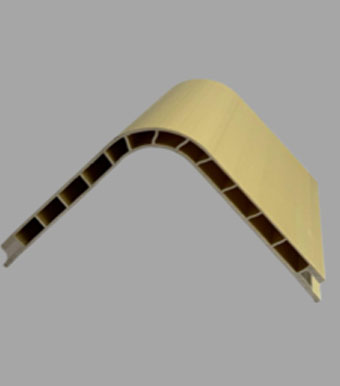
【حماية فائقة للحواف وتكامل سلس مع الجدران】 احصل على لمسة نهائية راقية لا تشوبها شائبة لزوايا جدرانك الداخلية مع غطاء الزاوية الخارجي YJSS-1 المصنوع من مادة SPC. يتميز هذا الغطاء بنواة من مركب الحجر والبلاستيك (SPC) فائق المتانة وفتحة مزدوجة مبتكرة، مما يوفر اتصالاً آمناً ومتشابكاً مع ألواح الجدران. بفضل عرضه الكبير الذي يبلغ 105 مم وعمقه 9 مم، يوفر حماية قوية من الصدمات للزوايا الخارجية. والأفضل من ذلك كله، أنه مصمم للتركيب المباشر على الجدران غير المكتملة، مما يجعله الحل الأمثل لتوفير الوقت في عمليات التجديد الحديثة.

【أساس التجميع المعياري المتقدم】 حسّن مشاريعك التصنيعية والمعمارية مع بروفايل GreenSpeed SPC الزخرفي-I. يُعد هذا البروفايل، الرائد في سلسلة مكوناتنا الجاهزة، مصممًا بدقة متناهية خصيصًا لقطاعات الأثاث الحديث "غير الخشبي" والبناء المعياري. يجمع بروفايل-I بين ثبات نظام التعشيق المجرب عبر الزمن وقلب من الجيل الجديد من مركب الحجر والبلاستيك (SPC)، ليُقدم متانة هيكلية لا مثيل لها، وتجميعًا سلسًا، وتنوعًا جماليًا راقيًا.

【هندسة الجيل القادم للأثاث المعياري】 ارتقِ بقدراتك التصنيعية مع بروفايل GreenSpeed SPC الزخرفي 2. صُمم هذا البروفايل خصيصًا كملحق فاخر للهياكل الجاهزة وصناعة الأثاث المبتكرة "غير الخشبية"، حيث يوفر توازنًا مثاليًا بين الجمالية والتفوق الهيكلي. باستخدام نظام التعشيق التقليدي (النقر واللسان) مع قلب من مركب الحجر والبلاستيك (SPC) عالي المتانة، يوفر بروفايل 2 حلاً سلسًا للتجميع بدون أدوات، يتفوق على الخشب التقليدي في جميع الظروف.

【هندسة دقيقة تلتقي بالأثاث المعياري العصري】 أحدث ثورة في عملية التصنيع لديك مع بروفايل GreenSpeed SPC الزخرفي-3. صُمم هذا البروفايل خصيصًا للهياكل الجاهزة وقطاع الأثاث "غير الخشبي" سريع النمو، حيث يجمع بسلاسة بين متانة الحرفية التقليدية وأحدث المواد. يتميز بنظام تعشيق نقر ولسان فائق الدقة، مما يتيح تجميعًا عالي الثبات بدون غراء أو أدوات تثبيت. مدعومًا بنواة صلبة من مركب الحجر والبلاستيك (SPC)، يُعد هذا البروفايل البديل الأمثل والمستدام للمكونات الخشبية التقليدية.

【تكامل متطور للزوايا في البناء المعياري】 حسّن عملية تجميع الهيكل باستخدام زاوية GreenSpeed SPC الخارجية. صُممت هذه الزاوية شديدة التحمل بعرض 100 مم خصيصًا لأنظمة البناء الجاهزة الحديثة، وتتميز بفتحة مزدوجة أنثوية مصممة خصيصًا لتتشابك بسلاسة مع القطاعات الهيكلية القياسية. بفضل الجمع بين المتانة الفائقة لقلب من مركب الحجر والبلاستيك (SPC) وسطح PVC متعدد الاستخدامات، توفر هذه الزاوية لمسة نهائية مثالية ومقاومة للصدمات للمشاريع المعمارية المعقدة.

【حماية فائقة للزوايا في الإنشاءات المعيارية】 ارتقِ بمشاريعك الجاهزة والمعيارية مع واقي الزوايا الخارجي GreenSpeed SPC. يتميز هذا الواقي المتين بعرض 100 مم وقلب من مركب الحجر والبلاستيك (SPC) فائق المتانة، مما يوفر مقاومة فائقة للصدمات وثباتًا هيكليًا لا مثيل له. كما يتميز بفتحة مزدوجة مبتكرة مصممة خصيصًا لتندمج بسلاسة مع القطاعات الهيكلية، مما يجعله الحل الأمثل للزوايا في الهياكل الحديثة والبيئات ذات الحركة المرورية العالية.
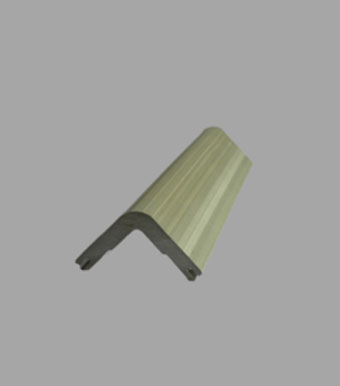
【تركيب محكم لزوايا جدارية مثالية】 احصل على زاوية 90 درجة مثالية مع إطار الزاوية الخارجية YJMS-2. صُمم هذا الإطار بتقنية مبتكرة ذات فتحتين أنثويتين (أخدود مزدوج)، ليُركب بسلاسة مع ألواح الجدران الموجودة لديك. يبلغ عرضه 40 مم وعمقه 8 مم، مما يوفر انتقالًا قويًا وجذابًا للزوايا الخارجية. والأفضل من ذلك، أنه يُمكن تركيبه مباشرةً على الجدران غير المُشطبة، مما يوفر عليك الكثير من الوقت والجهد.
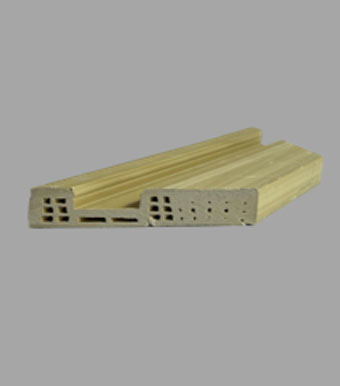
【الحل الأمثل للهيكلة في الأثاث المعياري الحديث】 ارتقِ بعملية التصنيع والتصميم الداخلي لديك مع لوح التشكيل XCMS-1 المصنوع من مادة WPC. صُمم هذا اللوح خصيصًا لتلبية الطلب المتزايد على الأثاث الجاهز غير الخشبي، فهو يجمع بين جمال الخشب الطبيعي ومتانة مادة الخشب والبلاستيك المركبة (WPC) عالية الأداء. بفضل عرضه الكبير الذي يبلغ 75 مم وسماكته البالغة 18 مم، يوفر هذا اللوح متانة هيكلية استثنائية للخزائن المعيارية والفواصل والتجهيزات المصممة حسب الطلب.
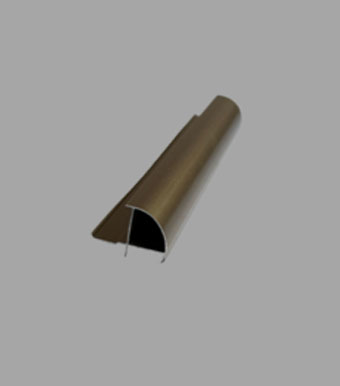
【حماية سلسة وأناقة عصرية】 ارتقِ بحواف جدرانك الداخلية مع غطاء الزاوية الخارجية الدائري موديل YJ-2. مصنوع من قلب من سبائك الألومنيوم عالية الجودة، يوفر هذا الغطاء المنحني انتقالًا سلسًا وأنيقًا لجدرانك مع توفير حماية فائقة ضد الصدمات اليومية. لا يضفي تصميمه الدائري لمسة جمالية على أي غرفة فحسب، بل يزيل أيضًا الزوايا الحادة، مما يجعله ميزة أمان مثالية وآمنة للعائلات في المنازل الحديثة والمساحات التجارية.
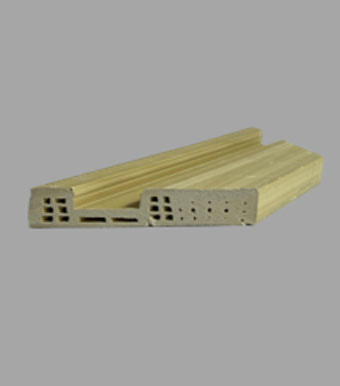
أعد تعريف التصميم المعياري مع لوح التشكيل XCMS-1 المصنوع من مادة WPC. صُمم هذا اللوح المتين (بعرض 75 مم وسماكة 18 مم) خصيصًا لأنظمة الأثاث الجاهزة غير الخشبية، ليُقدم الحل الهيكلي الأمثل للتصميمات الداخلية العصرية. سواء كنت تُصمم خزائن معيارية، أو فواصل، أو أثاثًا مكتبيًا فاخرًا، فإن XCMS-1 يجمع بين دفء الخشب وأداء المواد المركبة من الخشب والبلاستيك عالي الجودة.
【ثورة في عالم الأثاث المعياري الحديث】 ارتقِ بمشاريعك في تصنيع الأثاث والتصميم الداخلي مع لوح التشكيل XCMS-3 المصنوع من مادة WPC. صُمم هذا اللوح عالي الأداء خصيصًا لأنظمة الأثاث الجاهزة وغير الخشبية، حيث يجمع بين جمال الخشب الطبيعي ومتانة مادة الخشب والبلاستيك المركبة (WPC) الفائقة. إنه الخيار الأمثل للمصنعين والمصممين الباحثين عن مادة مستدامة، تدوم طويلًا، وسهلة التركيب.
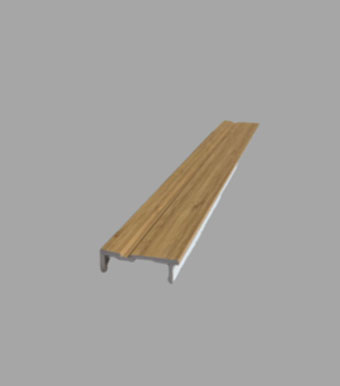
【انتقال مثالي لتصميم داخلي أنيق】 أكمل مشاريع الأرضيات وألواح الجدران الخاصة بك مع لوح القاعدة الممتاز TJ01 المصنوع من مادة SPC. يتميز هذا اللوح بتصميم متين للغاية بفضل قلبه المصنوع من مركب الحجر والبلاستيك (SPC) وطبقة نهائية أنيقة من مادة PVC، مما يوفر انتقالًا مثاليًا بين الجدران والأرضيات. كما أنه يخفي فواصل التمدد بفعالية، ويحمي الجزء السفلي من الجدران من الصدمات اليومية، ويرفع من جمالية المكان بشكل عام.
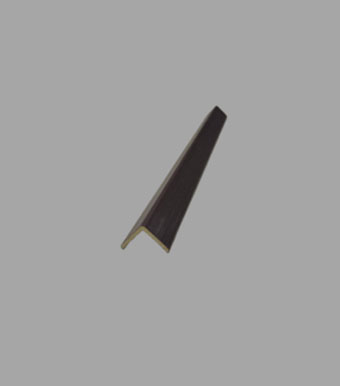
【حماية مثالية للحواف وتصميم انسيابي】 احصل على مظهر مصقول تمامًا لجدرانك الداخلية مع غطاء الزاوية الخارجية موديل YJMS01. يتميز هذا الغطاء المصنوع من مادة WPC عالية الجودة بعمق 3 مم وعرض أنيق 25 مم، مما يوفر مقاومة عالية للصدمات مع دمج ألواح الجدران بسلاسة. إنه اللمسة النهائية المثالية لإخفاء الحواف المكشوفة، ومنع التلف الناتج عن الاستخدام اليومي، وإضفاء لمسة جمالية على مساحتك.
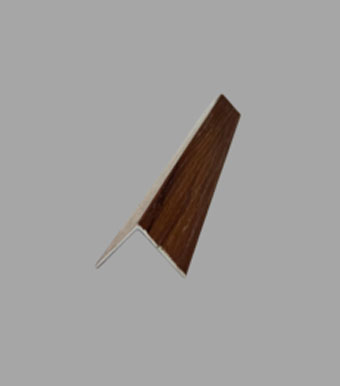
【اللمسة النهائية المثالية للديكورات الداخلية العصرية】 التفاصيل تُحدد الجودة. يُعدّ غطاء الزاوية الخارجية YJMS02 من منتجاتنا الحل الأمثل لتشطيب حواف الجدران. فإلى جانب توفيره حماية فائقة ضد الصدمات والتآكل، فإنه يربط بسلاسة بين ألواح الجدران، مما يُضفي مظهرًا أنيقًا وعصريًا ومتناسقًا على أي مساحة داخلية.
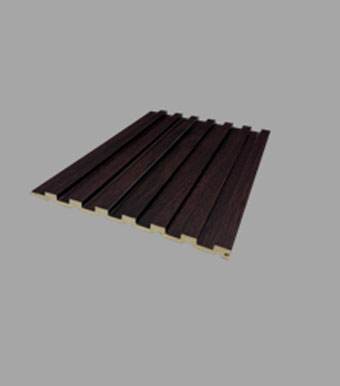
لوحة جدارية فاخرة من سور الصين العظيم (موديل: CCMS-1) - أناقة ومتانة في آن واحد. ارتقِ بتصميمك الداخلي بسهولة مع لوحتنا الجدارية المعمارية الفاخرة. مصنوعة من لبّ مبتكر من الخشب والبلاستيك المركب (WPC) مغلف بسطح PVC عالي الجودة، توفر هذه اللوحة مظهرًا عصريًا وأنيقًا لأي مكان، سواء كان غرفة معيشة أو مكتبًا أو مساحة تجارية، كما تضمن تشطيبًا سطحيًا مثاليًا.
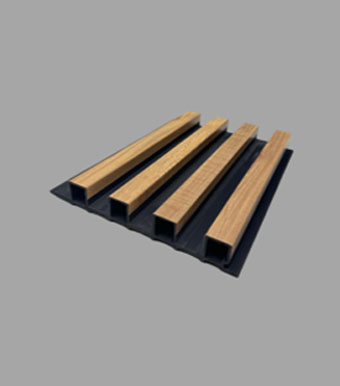
يمنح هذا التصميم الفريد ذو الأضلاع/الأمواج لوحة السور العظيم الزخرفية عمقًا ومظهرًا عصريًا يجعلها مثالية للجدران المميزة. تضفي الخطوط العمودية ارتفاعًا ملحوظًا على اللوحة، ومع خطوط الزينة المصاحبة لها، تمنحها جاذبية بصرية لافتة. إنها مثالية للجدران المميزة، وإضفاء لمسات جمالية، وغرف الترفيه، ودور السينما المنزلية، والحانات والنوادي، والمطاعم، ومراكز التسوق، وغيرها. مصنوعة من لبٍّ من مركب الخشب والبلاستيك (WPC) مع سطح متين من مادة PVC، تتميز هذه اللوحة بمظهرها الرائع وأدائها المتميز.
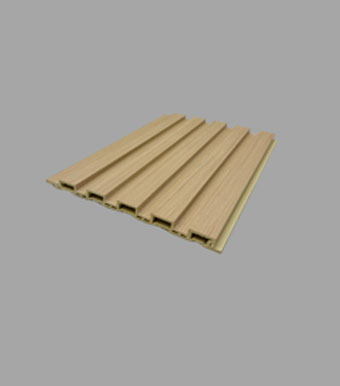
أضف لمسة عصرية إلى ديكور منزلك مع سلسلة CCMS-8 Slim، وهي عبارة عن ألواح جدارية مضلعة مصنوعة من مركب الخشب والبلاستيك (WPC) تتميز بمتانة فائقة ومظهر أنيق. تتميز سلسلة Slim بسماكة 10 مم وعرض 150 مم، مما يمنحها مظهرًا عصريًا أنيقًا وبسيطًا.
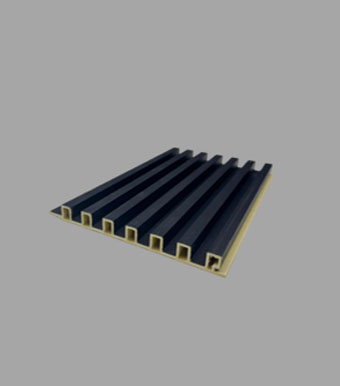
تُقدّم سلسلة CCMS-3 الكلاسيكية مزيجًا مثاليًا من التصميم الكلاسيكي الخالد وأحدث تقنيات البناء في هذا المجال. تتوفر هذه السلسلة بمجموعة واسعة من المقاسات، ويتميز لوح الجدار المضلع المصنوع من مركب الخشب والبلاستيك (WPC) القياسي، بعرض 150 مم وسماكة 15 مم، بنسيج بارز وحجم مميز، مما يجعله لوحًا جداريًا أنيقًا ومناسبًا تمامًا للمساحات الداخلية في كل من التطبيقات السكنية والتجارية.
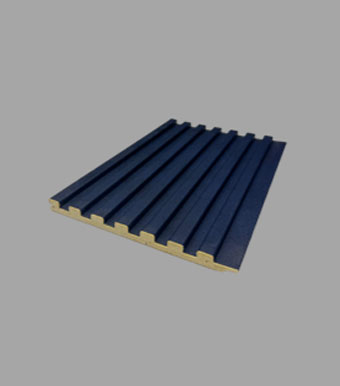
أضف لمسةً فريدةً إلى ديكور منزلك مع سلسلة CCMS-2 الأنيقة والرفيعة. تتميز هذه السلسلة بعرضها النحيف الذي يبلغ 140 مم، وسماكتها الرقيقة التي تبلغ 10 مم، وألواحها المضلعة المصنوعة من مركب الخشب والبلاستيك (WPC)، مما يخلق مظهرًا عصريًا لافتًا للنظر بفضل شرائحها الضيقة والرفيعة. تتميز سلسلة CCMS-2 بخفة وزنها ومتانتها الفائقة، مما يجعلها حلاً تصميميًا متعدد الاستخدامات، مناسبًا للتركيبات السكنية البسيطة والاستخدامات التجارية الجريئة على حد سواء.
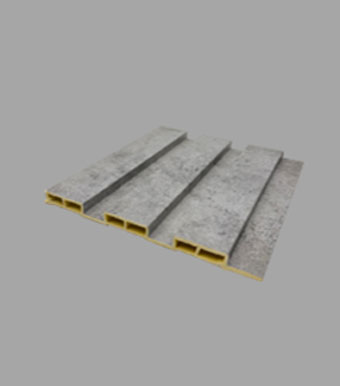
ارتقِ بديكور منزلك مع ألواح الجدران المضلعة CCMS-7 المصنوعة من مادة WPC، والمعروفة أيضًا باسم "ألواح سور الصين العظيم". تجمع هذه الألواح بين المظهر الطبيعي للخشب ومادة مركبة حديثة ومتينة، لتمنح مساحتك لمسةً أنيقةً وفريدةً من نوعها، مما يجعلها مثالية للاستخدامات السكنية والتجارية.
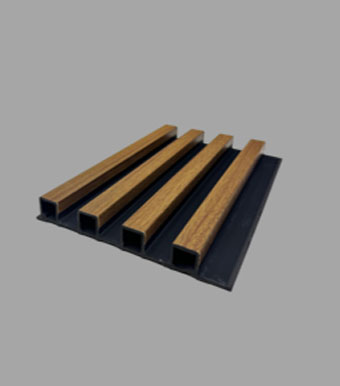
حوّل مساحاتك الداخلية مع ألواح الجدران المضلعة المصنوعة من مادة WPC الفاخرة (المعروفة باسم ألواح سور الصين العظيم). صُممت هذه الألواح المعمارية لتجمع بين الجمال الأخاذ والأداء المتين، وهي الحل الأمثل للتصميمات الداخلية العصرية للمنازل والمكاتب. سواء كنت ترغب في إضافة لمسة مميزة إلى غرفة المعيشة أو إضفاء فخامة على ردهة مكتبك، فإن طراز CCMS-6 يوفر لك أسلوبًا لا مثيل له ومتانة فائقة.
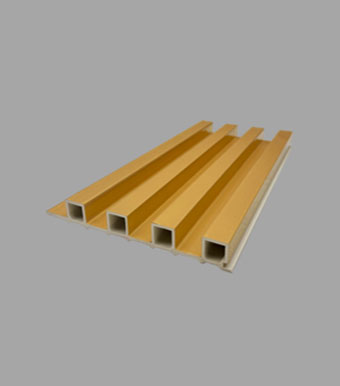
يُضفي تصميم ألواح سور الصين العظيم المزخرفة، ذو الخطوط المضلعة والمتموجة، عمقًا مميزًا على ديكور منزلك، مع لمسة جمالية عصرية. كما يُضفي تصميمها العمودي ارتفاعًا ملحوظًا، ويُشكّل عنصرًا جذابًا، مما يجعلها مثالية للجدران المميزة، والفواصل، وتكسية الجدران الداخلية، وجدران الزينة، أو التقسيمات في القطاعين السكني والتجاري. بفضل لبّها المصنوع من مركب الخشب والبلاستيك (WPC) وواجهتها الخارجية المتينة المصنوعة من مادة PVC، تجمع هذه الألواح بين المظهر الأنيق والأداء العالي والمتانة الفائقة.
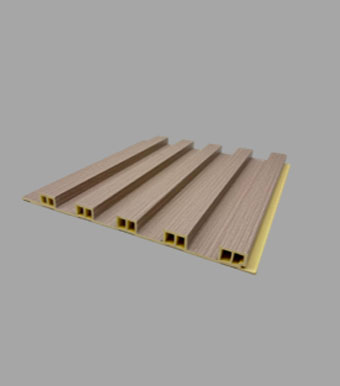
أضف لمسة مميزة إلى منزلك مع سلسلة CCMS-8 فائقة العرض. تتميز هذه الألواح الجدارية المضلعة المصنوعة من مركب الخشب والبلاستيك (WPC) بتشكيلة واسعة من التصاميم، بعرض مذهل يبلغ 276 مم وسماكة 18 مم فقط. تجمع سلسلة CCMS-8 بين المظهر الجذاب وسهولة التركيب، مما يجعلها مثالية للمساحات السكنية والتجارية على حد سواء، حيث توفر تشطيبًا عالي الجودة دون أي تنازلات.
الاستدامة البيئية في كل خطوة: ألواحنا مصنوعة من مزيج من المواد المعاد تدويرها والمواد الحيوية، مما يقلل من بصمتنا الكربونية من المصدر. لذا، سواء كان مشروعًا ضخمًا أو عملًا صغيرًا، فإن اختيار هذه الألواح الجدارية يمنحك بداية قوية في المجال البيئي.
الاستدامة البيئية في كل خطوة: ألواحنا مصنوعة من مزيج من المواد المعاد تدويرها والمواد الحيوية، مما يقلل من بصمتنا الكربونية من المصدر. لذا، سواء كان مشروعًا ضخمًا أو عملًا صغيرًا، فإن اختيار هذه الألواح الجدارية يمنحك بداية قوية في المجال البيئي.
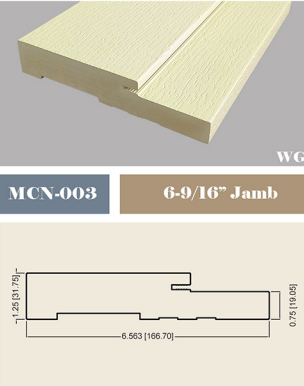
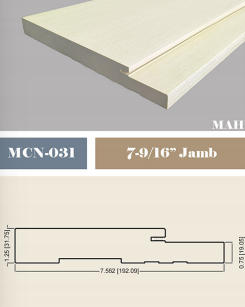
إطار الباب MCN-003 هو إطار باب بقياس 6-9/16 بوصة، مصمم لتغطية عمق فتحات الأبواب والنوافذ، موفرًا تغطية كاملة من حافة الباب إلى سطح الجدار الخارجي. يوفر قاعدة تثبيت ثابتة للباب، مع إضفاء لمسة نهائية أنيقة على حافة الفتحة. مناسب بشكل خاص للجدران السميكة أو أنظمة إطارات الأبواب المعزولة للجدران الخارجية.
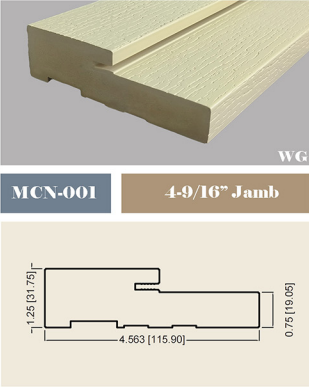
إطار الباب MCN-001 هو إطار باب بقياس 4-9/16 بوصة، مصمم لتغطية عمق فتحات الأبواب والنوافذ، موفرًا تغطية كاملة من حافة الباب إلى سطح الجدار الخارجي. يوفر قاعدة تثبيت ثابتة للباب، مع إضفاء لمسة نهائية أنيقة على حافة الفتحة. مناسب لأنظمة إطارات الأبواب الجدارية القياسية في المباني السكنية والتجارية.
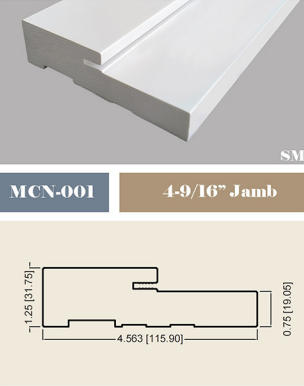
إطار الباب MCN-001 هو إطار باب بقياس 4-9/16 بوصة، مصمم لتغطية عمق فتحات الأبواب والنوافذ، موفرًا تغطية كاملة من حافة الباب إلى سطح الجدار الخارجي. يوفر قاعدة تثبيت ثابتة للباب، مع إضفاء لمسة نهائية أنيقة على حافة الفتحة. مناسب لأنظمة إطارات الأبواب الجدارية القياسية في المباني السكنية والتجارية.
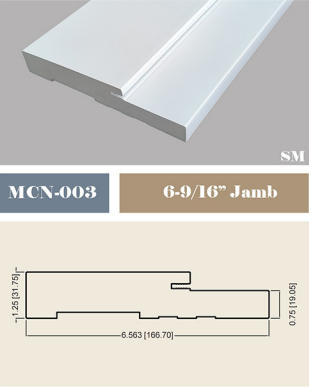
إطار الباب MCN-003 هو إطار باب بقياس 6-9/16 بوصة، مصمم لتغطية عمق فتحات الأبواب والنوافذ، موفرًا تغطية كاملة من حافة الباب إلى سطح الجدار الخارجي. يوفر قاعدة تثبيت ثابتة للباب، مع إضفاء لمسة نهائية أنيقة على حافة الفتحة. مناسب بشكل خاص للجدران السميكة أو أنظمة إطارات الأبواب المعزولة للجدران الخارجية.
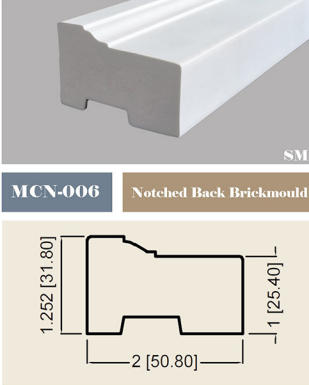
قالب الطوب MCN-006 ذو الشق الخلفي هو إطار خارجي فاخر يُستخدم كإطار للأبواب والنوافذ. يسمح الشق الموجود في الجزء الخلفي بتركيبه بشكل أفضل على الطوب أو الجص أو الألواح الجانبية. تم تصميم قوالب الطوب من سلسلة WG بشكل أنحف لتناسب مجموعة متنوعة من سماكات الجدران والتطبيقات.
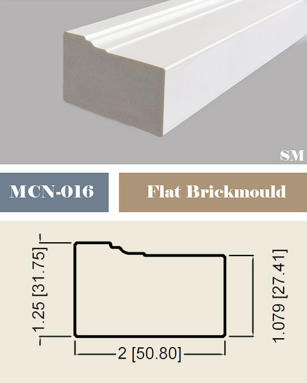
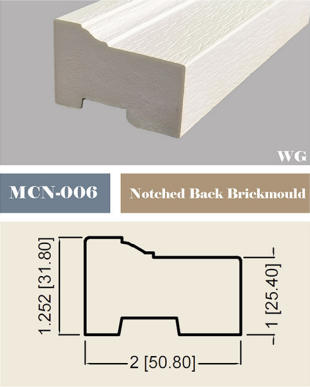
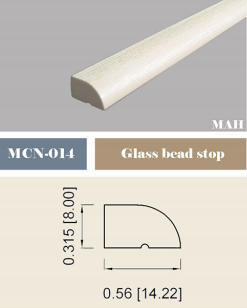
مانع انزلاق الزجاج MCN-014 هو عنصر زجاجي مصمم باحترافية، يُستخدم لتثبيت ألواح الزجاج في الأبواب والنوافذ، وتحديد موضعها، وإحكام إغلاقها. يُركّب بين الزجاج والإطار لمنع حركة الزجاج، مع توفير لمسة نهائية أنيقة. مناسب لأنظمة الأبواب والنوافذ السكنية والتجارية.
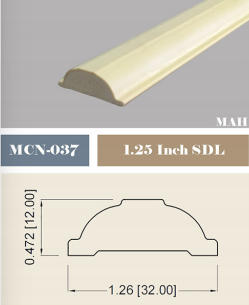
شريط MCN-037 SDL هو شريط زخرفي مُحاكٍ للزجاج المقسم، بعرض 1.25 بوصة، مصمم ليتم تركيبه مباشرةً على الأسطح الزجاجية، ليُحاكي مظهر النوافذ التقليدية ذات الزجاج المقسم. يُضفي هذا الشريط جمالية النوافذ الكلاسيكية متعددة الألواح دون الحاجة إلى استبدال هيكل النافذة بالكامل. كما أن تصميمه الأنيق يُناسب مختلف الأنماط المعمارية.
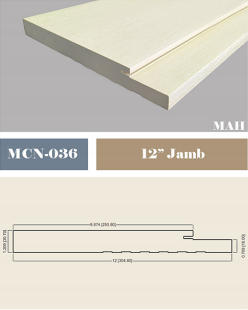
إطار الباب MCN-036 مقاس 12 بوصة هو إطار عريض للغاية مصمم للجدران السميكة أو فتحات الأبواب/النوافذ العميقة. يمتد عرضه بالكامل من حافة الباب إلى سطح الجدار الخارجي، مما يوفر دعمًا ثابتًا للباب ولمسة نهائية أنيقة. مناسب للمباني السكنية والتجارية والصناعية.
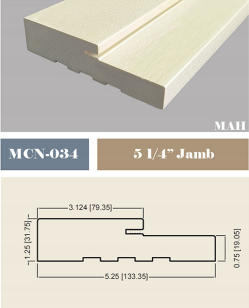
إطار الباب MCN-034 هو إطار باب بقياس 5-1/4 بوصة، مصمم لتغطية عمق فتحات الأبواب والنوافذ، موفرًا تغطية كاملة من حافة الباب إلى سطح الجدار الخارجي. يوفر قاعدة تثبيت ثابتة للباب، مع إضفاء لمسة نهائية أنيقة على حافة الفتحة. مناسب لأنظمة إطارات الأبواب ذات الجدران القياسية والسميكة في المباني السكنية والتجارية.
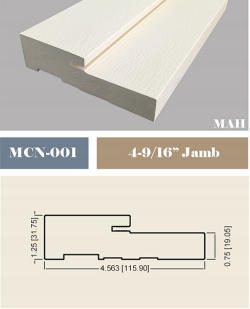
إطار الباب MCN-001 هو إطار باب بقياس 4-9/16 بوصة، مصمم لتغطية عمق فتحات الأبواب والنوافذ، موفرًا تغطية كاملة من حافة الباب إلى سطح الجدار الخارجي. يوفر قاعدة تثبيت ثابتة للباب، مع إضفاء لمسة نهائية أنيقة على حافة الفتحة. مناسب لأنظمة إطارات الأبواب الجدارية القياسية في المباني السكنية والتجارية.
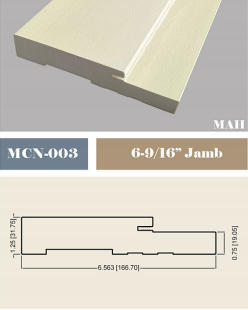
إطار الباب MCN-003 هو إطار باب بقياس 6-9/16 بوصة، مصمم لتغطية عمق فتحات الأبواب والنوافذ، موفرًا تغطية كاملة من حافة الباب إلى سطح الجدار الخارجي. يوفر قاعدة تثبيت ثابتة للباب، مع إضفاء لمسة نهائية أنيقة على حافة الفتحة. مناسب بشكل خاص للجدران السميكة أو أنظمة إطارات الأبواب المعزولة للجدران الخارجية.
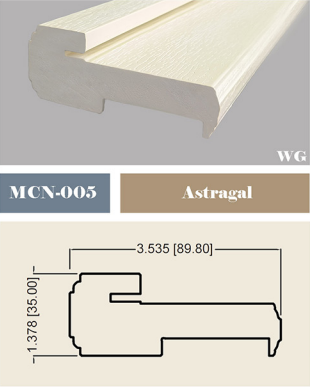
هذا الإطار المعدني هو قطعة تزيينية احترافية للأبواب المزدوجة (الأبواب الفرنسية/الأبواب المزدوجة). يُركّب على حافة الجزء غير المستخدم من الباب لتغطية الفجوة بين البابين، مما يُحسّن من إحكام إغلاق الهواء، وعزل الصوت، والخصوصية، ويُضفي مظهرًا أنيقًا.
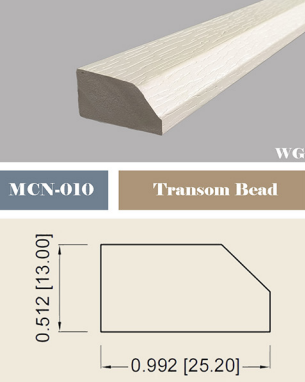
إطار MCN-010 العلوي هو إطار زخرفي مصمم باحترافية لنوافذ العتبة (النوافذ العلوية/النوافذ الثابتة فوق الأبواب). يُستخدم كحافة زخرفية، أو لتثبيت الزجاج، أو كإطار انتقالي لمنطقة العتبة. يضفي شكله المدمج لمسة جمالية أنيقة على فتحات الأبواب في المباني السكنية والتجارية.
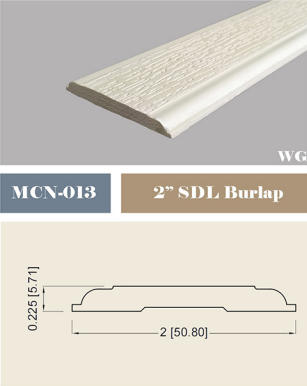
شريط MCN-013 SDL Burlap هو شريط زخرفي بعرض بوصتين يُحاكي تصميم النوافذ الزجاجية المقسمة (SDL)، مصمم ليتم تثبيته مباشرةً على الأسطح الزجاجية، ليُحاكي مظهر النوافذ الزجاجية المقسمة التقليدية. يمنح العرض البالغ بوصتين مظهرًا أكثر جرأةً وفخامةً للشبكة. أما ملمس الخيش فيُضفي عليه طابعًا فريدًا يُشبه القماش، مما يُضيف لمسةً جماليةً طبيعيةً وريفية.
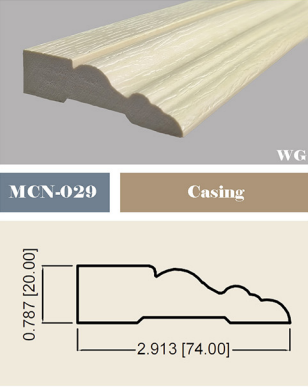
إطار MCN-029 هو إطار باب مصمم باحترافية، يوفر انتقالًا أنيقًا بين إطار الباب والجدار. يغطي هذا الإطار الفجوة بين الإطار وسطح الجدار، مما يمنح مظهرًا نهائيًا أنيقًا، ويحمي حواف إطار الباب من التلف. مناسب لفتحات الأبواب الداخلية في المساحات السكنية والتجارية.
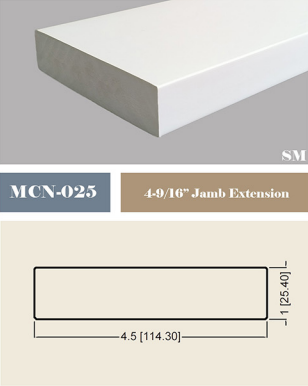
وصلة إطار الباب MCN-025 هي وصلة بعمق 4-9/16 بوصة مصممة لزيادة عمق إطار الباب القياسي للجدران السميكة. عندما يتجاوز سمك الجدار أبعاد الإطار القياسية، تتصل الوصلة بسلاسة بحافة الإطار الموجودة، مما يضمن استواء الإطار مع سطح الجدار ويوفر قاعدة تثبيت كاملة بلمسة نهائية أنيقة.
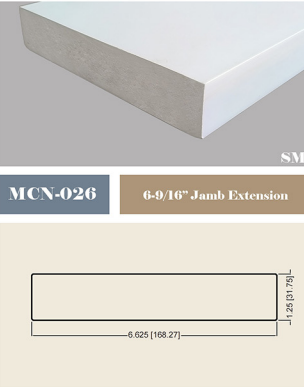
وصلة إطار الباب MCN-026 هي وصلة بعمق 6-9/16 بوصة مصممة لزيادة عمق إطار الباب القياسي للجدران السميكة جدًا. عندما يتجاوز سمك الجدار أبعاد الإطار القياسية، تتصل الوصلة بسلاسة بحافة الإطار الموجودة، مما يضمن استواء الإطار مع سطح الجدار ويوفر قاعدة تثبيت كاملة بلمسة نهائية أنيقة.
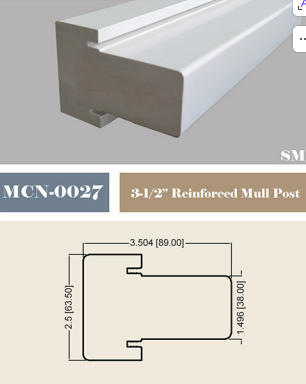
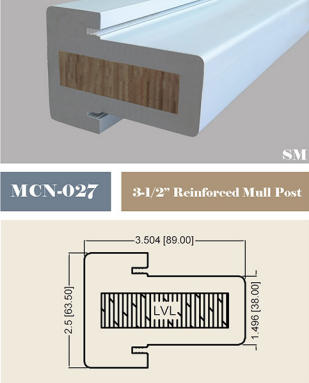
يُعدّ عمود MCN-027 المُدعّم عنصرًا إنشائيًا رأسيًا بطول 3.5 بوصة، مُصمّمًا لأنظمة الأبواب والنوافذ المُدمجة. يربط هذا العمود الوحدات المُجاورة (مثل النوافذ الثابتة، والنوافذ القابلة للفتح، والأبواب، والألواح الجانبية) ويُؤمّنها، مُوفّرًا بذلك قوة إنشائية إضافية لضمان استقرار الفتحات وسلامتها. كما يُعزّز التعزيز المُدمج من الخشب الرقائقي المُصفّح (LVL) قدرة تحمّل الأحمال ومقاومة الالتواء بشكلٍ ملحوظ.
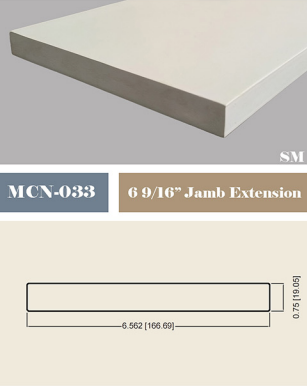
وصلة إطار الباب MCN-033 هي وصلة بعمق 6-9/16 بوصة مصممة لزيادة عمق إطار الباب القياسي للجدران السميكة. عندما يتجاوز سمك الجدار أبعاد الإطار القياسية، تتصل الوصلة بسلاسة بحافة الإطار الموجودة، مما يضمن استواء الإطار مع سطح الجدار ويوفر قاعدة تثبيت كاملة بلمسة نهائية أنيقة.
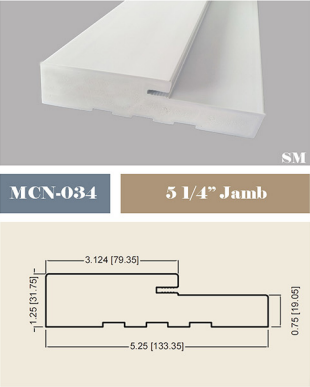
إطار الباب MCN-034 هو إطار باب بقياس 5-1/4 بوصة، مصمم لتغطية عمق فتحات الأبواب والنوافذ، موفرًا تغطية كاملة من حافة الباب إلى سطح الجدار الخارجي. يوفر قاعدة تثبيت ثابتة للباب، مع إضفاء لمسة نهائية أنيقة على حافة الفتحة. مناسب لأنظمة إطارات الأبواب الداخلية والخارجية في المباني السكنية والتجارية.
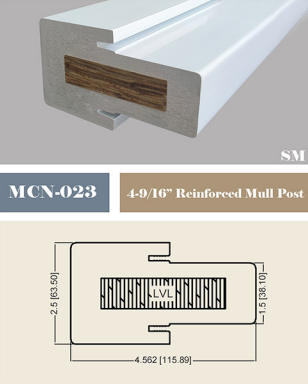
عمود MCN-023 المُدعّم هو عنصر إنشائي رأسي بطول 4-9/16 بوصة، مُصمّم لأنظمة الأبواب والنوافذ المُدمجة. يربط هذا العمود الوحدات المُجاورة (مثل النوافذ الثابتة، والنوافذ القابلة للفتح، والأبواب، والألواح الجانبية) ويُؤمّنها، مُوفّرًا قوة إنشائية إضافية لضمان استقرار الفتحات وسلامتها. كما يُعزّز التعزيز المُدمج من الخشب الرقائقي المُصفّح (LVL) قدرة تحمّل الأحمال ومقاومة الالتواء بشكل ملحوظ.
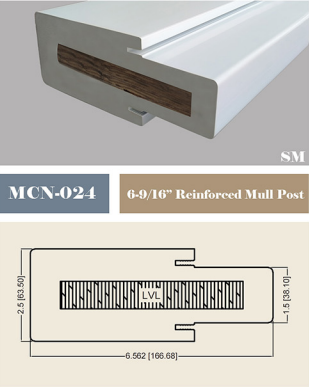
يُعدّ عمود MCN-024 المُدعّم عنصرًا إنشائيًا رأسيًا بطول 6-9/16 بوصة، مُصمّمًا لأنظمة الأبواب والنوافذ المُدمجة. يربط هذا العمود الوحدات المُجاورة (مثل النوافذ الثابتة، والنوافذ القابلة للفتح، والأبواب، والألواح الجانبية) ويُؤمّنها، مما يُوفّر قوة إنشائية إضافية لضمان الاستقرار والسلامة للفتحات ذات الامتداد الكبير.
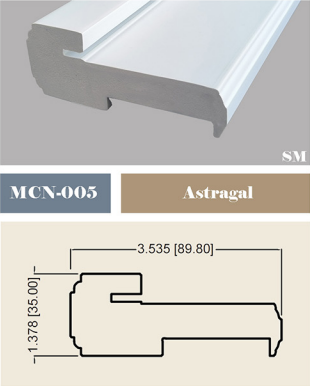
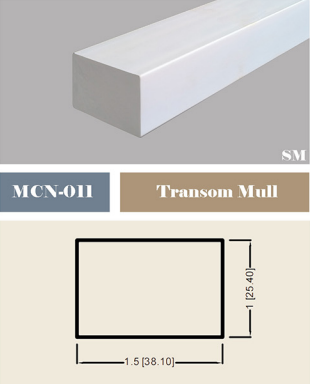
إنّ دعامة العارضة MCN-011 هي عنصر هيكلي أفقي احترافي مصمم لفصل الباب عن نافذة العارضة العلوية (النافذة الجانبية/النافذة العلوية). توفر هذه الدعامة دعماً هيكلياً للعارضة العلوية مع إنشاء خط فاصل بصري أنيق، وهي مناسبة لأنظمة مداخل المباني السكنية والتجارية والعامة.
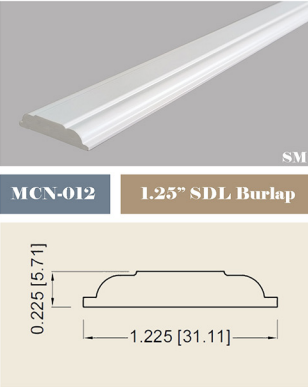
شريط MCN-012 SDL Burlap هو شريط زخرفي يحاكي الزجاج المقسم (SDL)، مصمم ليتم تركيبه مباشرة على الأسطح الزجاجية، ليُحاكي مظهر النوافذ الزجاجية المقسمة التقليدية. يُضفي هذا الشريط جمالية النوافذ متعددة الألواح الكلاسيكية دون الحاجة إلى استبدال هيكل النافذة بالكامل. كما يتميز بسطحه الخيشي الذي يُعطي ملمسًا فريدًا يُشبه القماش.
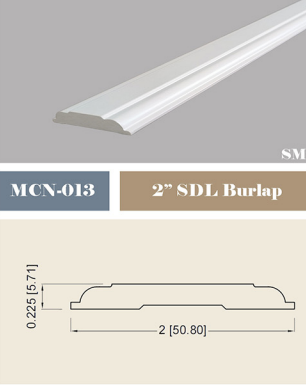
شريط MCN-013 SDL Burlap هو شريط زخرفي بعرض بوصتين يُحاكي تصميم النوافذ الزجاجية المقسمة (SDL)، مصمم ليتم تثبيته مباشرةً على الأسطح الزجاجية، ليُحاكي مظهر النوافذ الزجاجية المقسمة التقليدية. بالمقارنة مع الإصدارات الأضيق، يوفر العرض البالغ بوصتين مظهرًا أكثر جرأةً وفخامةً للشبكة. كما تُضفي لمسة نهائية من الخيش ملمسًا فريدًا يُشبه القماش، مما يُضيف سحرًا زخرفيًا طبيعيًا وريفيًا.
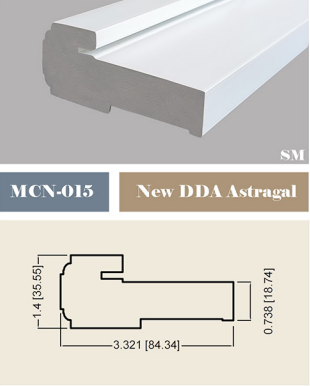
إنّ عتبة MCN-015 الجديدة المصممة وفقًا لمعايير قانون التمييز ضد ذوي الإعاقة (DDA) هي عتبة باب مصممة لتلبية معايير قانون التمييز ضد ذوي الإعاقة (ADA) لأنظمة الأبواب المزدوجة المُيسّرة. تُركّب هذه العتبة على حافة الجزء غير النشط من الباب المزدوج، مما يُحكم إغلاق الفجوة بين جزئي الباب مع ضمان الامتثال لمتطلبات سهولة الوصول، مثل قوة الفتح وعرض الفجوة.
Tel:
+86 18858129513