
ข่าว
ติดต่อตอนนี้How PVC Door Frames Reduce Rot-Related Callbacks
-
 ผู้เขียน
- 20 สิงหาคม 2026


A service call for a sticking exterior door may look minor, but the real problem can begin below the paint. When moisture reaches a vulnerable frame, swelling, softness, or decay can disturb the fit and send a finished door unit back into the warranty queue. For door manufacturers, the practical question is simple: can the frame material remove a common failure path before the unit leaves production?
Why Frame Rot Becomes a Manufacturing Problem
Rot-related callbacks rarely stay confined to one piece of trim. Moisture damage near the lower jamb can change clearances, weaken fastening areas, and make an otherwise sound door difficult to operate. The complaint reaches the manufacturer as a system problem because the customer sees one assembled unit, not separate materials with separate responsibilities.
The cost grows after shipment. A callback can involve inspection, replacement parts, freight, scheduling, and a second installer visit. Even when the door slab is unaffected, several channel partners may enter the same case. Preventing a water-sensitive frame from becoming the weak point directly protects after-sales efficiency.
Moisture attacks the most exposed zones
Exterior frames face repeated wetting. Wind-driven rain, splashback, damp thresholds, and damaged finishes can keep the lower exterior door jamb exposed. Once absorbent material takes in moisture, drying is not always favorable where the frame meets the sill.
Small material changes create visible symptoms
Small dimensional changes can affect operation. A swollen jamb may narrow the working gap, disrupt weatherseal contact, or shift hardware alignment. The homeowner notices rubbing, daylight, or poor latching. Adjustment may come first and material replacement later, adding labor.

What PVC Changes in the Failure Path
เอ วงกบประตูพีวีซี addresses the problem at the material level because PVC does not rely on a paint film to keep its core from absorbing water. Moisture may still reach joints and surfaces, but the frame itself does not provide the same food source for rot as wood. That distinction matters at the bottom of an exterior opening, where wetting is common and inspection is easy to postpone.
This does not make the doorway maintenance-free. Sealants, flashing, drainage, weatherseals, and assembly accuracy still matter. PVC’s narrower value is more useful: it removes moisture-driven frame decay from the list of likely callback causes, so controls can focus on joints, fit, and component integration.
| Callback factor | Moisture-sensitive frame | PVC frame |
| Water at lower jamb | Can be absorbed if protection fails | Does not create a rot path in the PVC material |
| Likely progression | Swelling, softness, or decay may affect fit | Focus remains on joints, seals, and assembly |
| Service response | Adjustment may be followed by material repair | Diagnosis can concentrate on interfaces and hardware |
| Production priority | Coating coverage and field upkeep are critical | Profile match and complete frame-package fit are critical |
Where Callback Reduction Is Won or Lost
Material selection only works when the frame package supports it. A moisture-resistant jamb cannot compensate for the wrong width, a mismatched sill interface, or awkward trim. The production decision is to confirm that the jamb, brickmould, threshold relationship, machining, and fastening plan belong together.
Match the jamb to the wall and market
A correctly sized วงกบประตูพีวีซี helps the prehung door frame sit where the installer expects it. For common North American construction, 4-9/16-inch jambs are frequently used for U.S. orders, while 6-9/16-inch jambs are common for Canadian orders. These are practical market patterns, not substitutes for checking the actual wall build-up and project specification before production.
Width affects more than appearance. The wrong depth can complicate trim alignment, require field extension, or shift weather-facing details. A rot-resistant frame can then become a fit complaint. Lock the wall depth and finished jamb width before machining.
Treat exterior trim and sill contact as interfaces
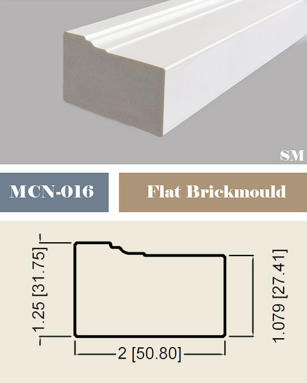
Flat composite brickmould gives manufacturers a compatible exterior-trim option around the opening, while the threshold strip helps complete the connection at the bottom of the frame. At Xinhong New Materials, we supply PVC door-frame components for these coordinated assemblies and confirm profiles against the intended frame size and market vocabulary before production.
The production review should stay short and specific:
- Confirm the finished jamb width against the wall construction.
- Match Flat Brickmould to the frame profile and exterior finish.
- Check how the jamb meets the threshold strip at both lower corners.
- Verify machining and fastening details on the actual profile.
PVC reduces rot inside the frame material; careful matching prevents avoidable fit and interface complaints from taking its place.

A Better Callback Conversation
A material change also sharpens field diagnosis. When the frame is not susceptible to rot, service staff can ask precise questions: Is water entering at a joint? Is the threshold level? Has the weatherseal moved? The investigation shifts from door frame replacement toward a defined interface or adjustment.
That sharper diagnosis also helps distributors. A prehung door frame with a moisture-resistant jamb supports a clear durability case without implying that installation no longer matters. It limits the chance that a neglected coating edge becomes hidden material damage and simplifies resolution of genuine site issues.
The Practical Takeaway
PVC reduces rot-related callbacks by removing an absorbent frame material from the door system. The strongest result pairs that choice with correct jamb depth, compatible Flat Brickmould, a sound threshold-strip relationship, and profile-specific machining. The operational purpose is focused: fewer frame replacements and repeat visits caused by moisture damage.
For a new exterior-door program, share the target market, wall depth, frame drawing, and sill arrangement so our team can discuss the frame package around the callback risk you want to remove.
คำถามที่พบบ่อย
Will PVC prevent every exterior-door callback?
No. PVC specifically removes frame-material decay as a likely cause. Hardware alignment, installation, flashing, weatherseals, drainage, and site conditions can still create service issues and should remain part of quality control.
Is a PVC jamb suitable for a prehung exterior door?
Yes, when the profile, width, machining, fastening method, brickmould, and sill interface are designed as one assembly. The finished unit should be validated against the door manufacturer’s drawings and intended wall construction.
Does a PVC exterior door frame still need finishing?
Finishing requirements depend on the selected profile and appearance target. The important distinction is that PVC’s resistance to rot does not depend on a field-applied coating protecting an absorbent wood core.

สินค้า
ผลิตภัณฑ์ที่เกี่ยวข้อง
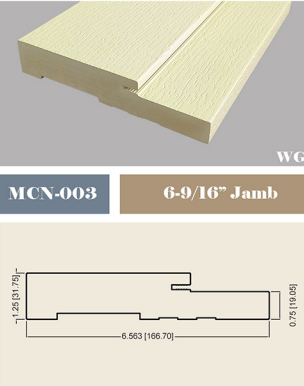
วงกบประตู MCN-003 เป็นวงกบขนาด 6-9/16 นิ้ว ออกแบบมาเพื่อปิดด้านข้างของช่องประตูและหน้าต่าง ให้การปกปิดอย่างสมบูรณ์จากขอบบานประตูถึงพื้นผิวผนังด้านนอก ให้ฐานยึดที่มั่นคงสำหรับบานประตู พร้อมทั้งสร้างขอบที่เรียบร้อยสวยงามสำหรับช่องเปิด เหมาะอย่างยิ่งสำหรับผนังหนาหรือระบบวงกบประตูผนังฉนวนภายนอก
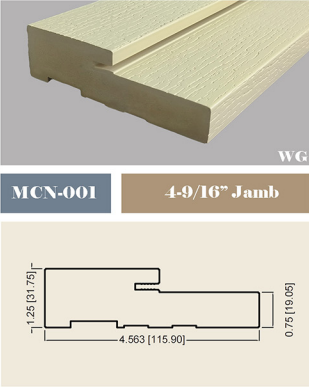
วงกบประตูรุ่น MCN-001 มีความกว้าง 4-9/16 นิ้ว ออกแบบมาเพื่อปิดด้านข้างของช่องประตูและหน้าต่าง ให้การปกปิดอย่างสมบูรณ์จากขอบบานประตูถึงพื้นผิวผนังด้านนอก ให้ฐานยึดที่มั่นคงสำหรับบานประตู พร้อมทั้งสร้างขอบที่เรียบร้อยสวยงาม เหมาะสำหรับระบบวงกบประตูผนังมาตรฐานในอาคารที่พักอาศัยและอาคารพาณิชย์
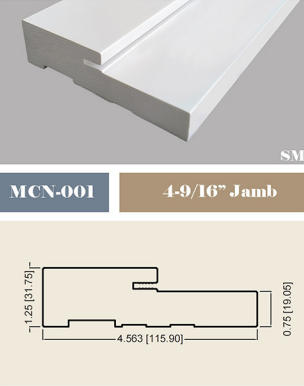
วงกบประตูรุ่น MCN-001 มีความกว้าง 4-9/16 นิ้ว ออกแบบมาเพื่อปิดด้านข้างของช่องประตูและหน้าต่าง ให้การปกปิดอย่างสมบูรณ์จากขอบบานประตูถึงพื้นผิวผนังด้านนอก ให้ฐานยึดที่มั่นคงสำหรับบานประตู พร้อมทั้งสร้างขอบที่เรียบร้อยสวยงาม เหมาะสำหรับระบบวงกบประตูผนังมาตรฐานในอาคารที่พักอาศัยและอาคารพาณิชย์
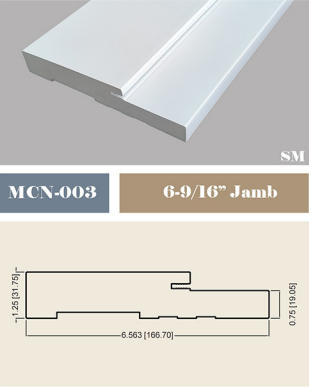
วงกบประตู MCN-003 เป็นวงกบขนาด 6-9/16 นิ้ว ออกแบบมาเพื่อปิดด้านข้างของช่องประตูและหน้าต่าง ให้การปกปิดอย่างสมบูรณ์จากขอบบานประตูถึงพื้นผิวผนังด้านนอก ให้ฐานยึดที่มั่นคงสำหรับบานประตู พร้อมทั้งสร้างขอบที่เรียบร้อยสวยงามสำหรับช่องเปิด เหมาะอย่างยิ่งสำหรับผนังหนาหรือระบบวงกบประตูผนังฉนวนภายนอก
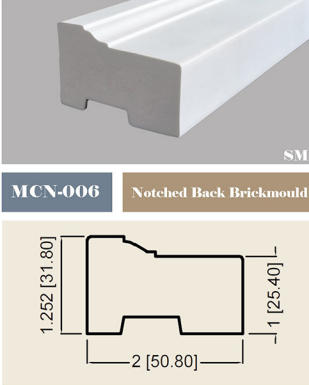
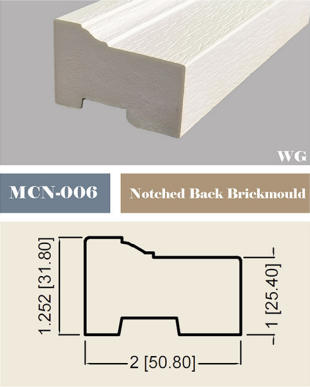
บัวผนัง MCN-006 แบบมีรอยบากด้านหลัง เป็นบัวตกแต่งภายนอกคุณภาพสูงสำหรับใช้เป็นกรอบประตูและหน้าต่าง รอยบากด้านหลังช่วยให้แนบสนิทกับอิฐ ปูนฉาบ หรือวัสดุปิดผนังได้ดียิ่งขึ้น บัวผนังซีรีส์ WG ได้รับการออกแบบให้เพรียวบางลงเพื่อใช้กับผนังที่มีความหนาและลักษณะการใช้งานที่หลากหลาย
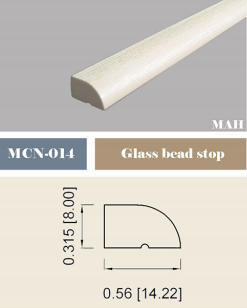
ตัวหยุดกระจก MCN-014 เป็นชิ้นส่วนสำหรับงานกระจกที่ออกแบบมาอย่างมืออาชีพ ใช้สำหรับยึด จัดตำแหน่ง และปิดผนึกแผ่นกระจกในประตูและหน้าต่าง ติดตั้งระหว่างกระจกและกรอบเพื่อป้องกันการเคลื่อนตัวของกระจก พร้อมทั้งให้ความสวยงามเรียบร้อย เหมาะสำหรับระบบประตูและหน้าต่างทั้งในที่อยู่อาศัยและเชิงพาณิชย์
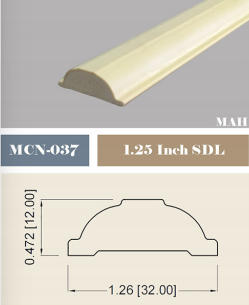
MCN-037 SDL คือแถบตกแต่งจำลองกระจกแบ่งช่องขนาด 1.25 นิ้ว ออกแบบมาเพื่อติดลงบนพื้นผิวกระจกโดยตรง เลียนแบบลักษณะของหน้าต่างกระจกแบ่งช่องแบบดั้งเดิม ช่วยให้ได้ความสวยงามแบบหน้าต่างหลายบานคลาสสิกโดยไม่ต้องเปลี่ยนโครงสร้างหน้าต่างทั้งหมด รูปทรงที่เรียบง่ายเหมาะกับสไตล์สถาปัตยกรรมหลากหลายรูปแบบ
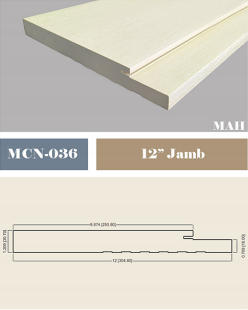
วงกบประตู MCN-036 ขนาด 12 นิ้ว เป็นวงกบประตูที่มีความกว้างเป็นพิเศษ ออกแบบมาสำหรับผนังหนาหรือช่องประตู/หน้าต่างที่มีความลึก โปรไฟล์ที่กว้างของวงกบจะครอบคลุมระยะห่างจากขอบบานประตูถึงพื้นผิวผนังด้านนอกอย่างเต็มที่ ทำให้รองรับประตูได้อย่างมั่นคงและให้ความสวยงามที่เรียบร้อย เหมาะสำหรับอาคารที่พักอาศัย อาคารพาณิชย์ และอาคารอุตสาหกรรม
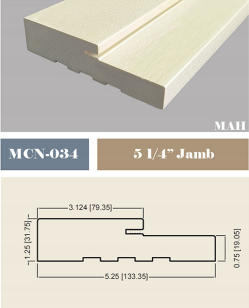
วงกบประตูรุ่น MCN-034 มีความกว้าง 5-1/4 นิ้ว ออกแบบมาเพื่อปิดด้านข้างของช่องประตูและหน้าต่าง ให้การปกปิดอย่างสมบูรณ์จากขอบบานประตูถึงพื้นผิวผนังด้านนอก ให้ฐานยึดที่มั่นคงสำหรับบานประตู พร้อมทั้งสร้างขอบที่เรียบร้อยสวยงาม เหมาะสำหรับระบบวงกบประตูแบบมาตรฐานและแบบผนังหนาในอาคารที่พักอาศัยและอาคารพาณิชย์
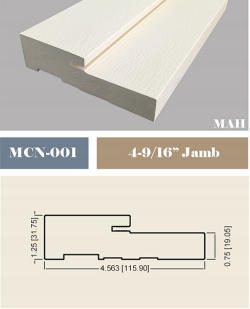
วงกบประตูรุ่น MCN-001 มีความกว้าง 4-9/16 นิ้ว ออกแบบมาเพื่อปิดด้านข้างของช่องประตูและหน้าต่าง ให้การปกปิดอย่างสมบูรณ์จากขอบบานประตูถึงพื้นผิวผนังด้านนอก ให้ฐานยึดที่มั่นคงสำหรับบานประตู พร้อมทั้งสร้างขอบที่เรียบร้อยสวยงาม เหมาะสำหรับระบบวงกบประตูผนังมาตรฐานในอาคารที่พักอาศัยและอาคารพาณิชย์
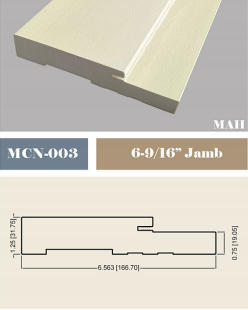
วงกบประตู MCN-003 เป็นวงกบขนาด 6-9/16 นิ้ว ออกแบบมาเพื่อปิดด้านข้างของช่องประตูและหน้าต่าง ให้การปกปิดอย่างสมบูรณ์จากขอบบานประตูถึงพื้นผิวผนังด้านนอก ให้ฐานยึดที่มั่นคงสำหรับบานประตู พร้อมทั้งสร้างขอบที่เรียบร้อยสวยงามสำหรับช่องเปิด เหมาะอย่างยิ่งสำหรับผนังหนาหรือระบบวงกบประตูผนังฉนวนภายนอก
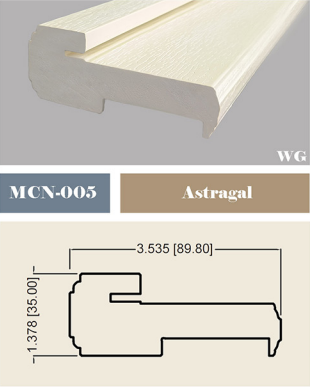
คิ้วประตูชิ้นนี้เป็นอุปกรณ์ตกแต่งประตูระดับมืออาชีพที่ออกแบบมาสำหรับประตูคู่ (ประตูฝรั่งเศส / ประตูสองบาน) ติดตั้งที่ขอบของบานประตูที่ไม่ใช้งานเพื่อปิดช่องว่างระหว่างบานประตูทั้งสอง ช่วยเพิ่มประสิทธิภาพในการกันอากาศ กันเสียง เพิ่มความเป็นส่วนตัว และทำให้ดูสวยงามสมบูรณ์
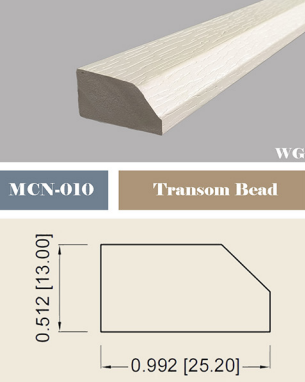
คิ้วตกแต่งช่องแสง MCN-010 เป็นคิ้วตกแต่งที่ออกแบบมาอย่างมืออาชีพสำหรับช่องแสงเหนือประตู (ช่องแสงรูปพัด/หน้าต่างคงที่เหนือประตู) ทำหน้าที่เป็นขอบตกแต่ง ตัวยึดกระจก หรือคิ้วตกแต่งเชื่อมต่อสำหรับบริเวณช่องแสง รูปทรงคิ้วที่กะทัดรัดช่วยเพิ่มรายละเอียดที่ประณีตให้กับช่องประตูในอาคารที่พักอาศัยและอาคารพาณิชย์
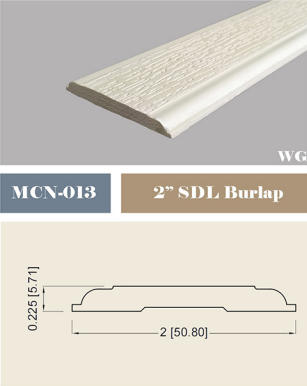
แถบตกแต่ง MCN-013 SDL Burlap เป็นแถบตกแต่งลายจำลองบานกระจกแบ่งช่อง (SDL) กว้าง 2 นิ้ว ออกแบบมาเพื่อติดลงบนพื้นผิวกระจกโดยตรง เลียนแบบลักษณะของหน้าต่างบานกระจกแบ่งช่องแบบดั้งเดิม ความกว้าง 2 นิ้ว ให้รูปลักษณ์ของตะแกรงที่ดูโดดเด่นและแข็งแรงกว่า พื้นผิวแบบผ้ากระสอบให้สัมผัสที่เป็นเอกลักษณ์คล้ายผ้า เพิ่มเสน่ห์การตกแต่งแบบธรรมชาติและเรียบง่าย
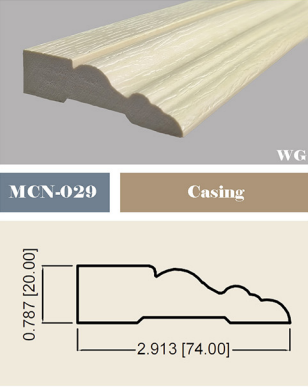
บัวประตู MCN-029 เป็นบัวประตูที่ออกแบบมาอย่างมืออาชีพ ช่วยสร้างความสวยงามระหว่างวงกบประตูและผนัง โดยจะปิดช่องว่างระหว่างวงกบและผนัง ทำให้ดูเรียบร้อยสวยงาม พร้อมทั้งปกป้องขอบวงกบประตูจากความเสียหาย เหมาะสำหรับประตูภายในอาคารที่พักอาศัยและอาคารพาณิชย์
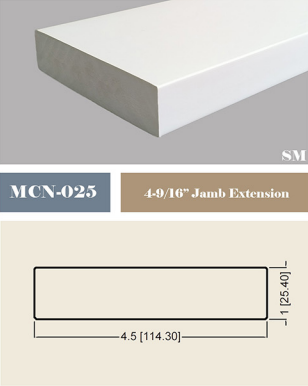
ตัวต่อขยายวงกบประตู MCN-025 มีความลึก 4-9/16 นิ้ว ออกแบบมาเพื่อเพิ่มความลึกของวงกบประตูมาตรฐานสำหรับผนังที่หนาขึ้น เมื่อความหนาของผนังเกินขนาดวงกบมาตรฐาน ตัวต่อขยายจะติดตั้งเข้ากับขอบวงกบเดิมได้อย่างแนบเนียน ทำให้กรอบประตูแนบสนิทกับพื้นผิวผนัง และเป็นฐานยึดที่สมบูรณ์แบบพร้อมผิวงานที่เรียบร้อย
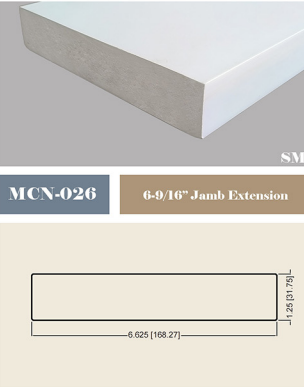
ตัวต่อขยายวงกบประตู MCN-026 มีความลึก 6-9/16 นิ้ว ออกแบบมาเพื่อเพิ่มความลึกของวงกบประตูมาตรฐานสำหรับผนังที่หนาเป็นพิเศษ เมื่อความหนาของผนังเกินขนาดวงกบมาตรฐาน ตัวต่อขยายนี้จะติดเข้ากับขอบวงกบเดิมได้อย่างแนบเนียน ทำให้กรอบประตูแนบสนิทกับพื้นผิวผนัง และเป็นฐานยึดที่สมบูรณ์แบบพร้อมผิวงานที่เรียบร้อย
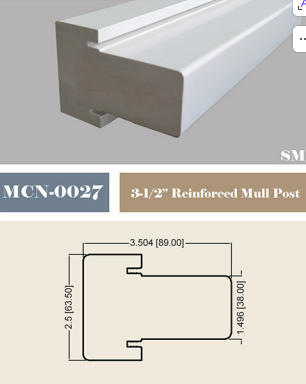
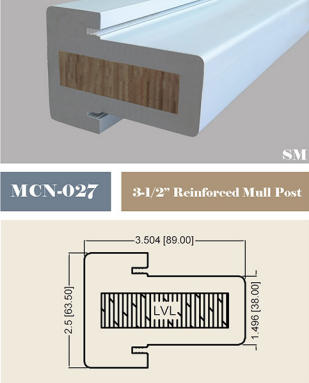
เสาเสริมแรง MCN-027 เป็นชิ้นส่วนโครงสร้างแนวตั้งขนาด 3-1/2 นิ้ว ออกแบบมาสำหรับระบบประตูและหน้าต่างแบบรวมกัน ทำหน้าที่เชื่อมต่อและยึดชิ้นส่วนที่อยู่ติดกัน (เช่น หน้าต่างบานตาย หน้าต่างบานเปิด ประตู และบานกระจกข้าง) เพิ่มความแข็งแรงของโครงสร้างเพื่อความมั่นคงและปลอดภัยสำหรับช่องเปิด การเสริมแรงด้วย LVL (ไม้ลามิเนต) ช่วยเพิ่มความสามารถในการรับน้ำหนักและต้านทานการบิดงอได้อย่างมาก
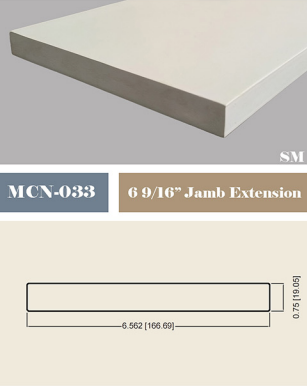
ตัวต่อขยายวงกบประตู MCN-033 มีความลึก 6-9/16 นิ้ว ออกแบบมาเพื่อเพิ่มความลึกของวงกบประตูมาตรฐานสำหรับผนังที่หนาขึ้น เมื่อความหนาของผนังเกินขนาดวงกบมาตรฐาน ตัวต่อขยายจะติดตั้งเข้ากับขอบวงกบเดิมได้อย่างแนบเนียน ทำให้กรอบประตูแนบสนิทกับพื้นผิวผนัง และเป็นฐานยึดที่สมบูรณ์แบบพร้อมผิวงานที่เรียบร้อย
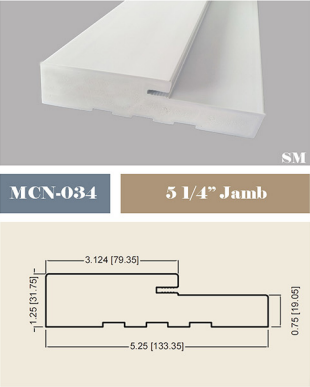
วงกบประตูรุ่น MCN-034 มีความกว้าง 5-1/4 นิ้ว ออกแบบมาเพื่อปิดด้านข้างของช่องประตูและหน้าต่าง ให้การปกปิดอย่างสมบูรณ์จากขอบบานประตูถึงพื้นผิวผนังด้านนอก ให้ฐานยึดที่มั่นคงสำหรับบานประตู พร้อมทั้งสร้างขอบที่เรียบร้อยสวยงาม เหมาะสำหรับระบบวงกบประตูภายในและภายนอกอาคารที่พักอาศัยและอาคารพาณิชย์
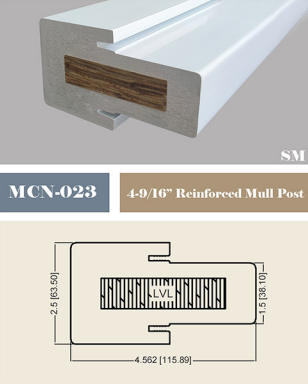
เสาเสริมแรง MCN-023 เป็นชิ้นส่วนโครงสร้างแนวตั้งขนาด 4-9/16 นิ้ว ออกแบบมาสำหรับระบบประตูและหน้าต่างแบบรวมกัน ทำหน้าที่เชื่อมต่อและยึดชิ้นส่วนที่อยู่ติดกัน (เช่น หน้าต่างบานตาย หน้าต่างบานเปิด ประตู และบานกระจกข้าง) เพิ่มความแข็งแรงของโครงสร้างเพื่อความมั่นคงและปลอดภัยสำหรับช่องเปิด การเสริมแรงด้วย LVL (ไม้ลามิเนต) ช่วยเพิ่มความสามารถในการรับน้ำหนักและต้านทานการบิดงอได้อย่างมาก
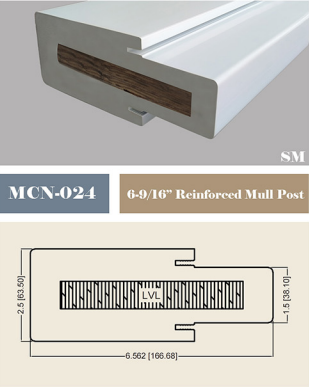
เสาเสริมแรง MCN-024 เป็นชิ้นส่วนโครงสร้างแนวตั้งขนาด 6-9/16 นิ้ว ออกแบบมาสำหรับระบบประตูและหน้าต่างแบบรวมกัน ทำหน้าที่เชื่อมต่อและยึดชิ้นส่วนที่อยู่ติดกัน (เช่น หน้าต่างบานตาย หน้าต่างบานเปิด ประตู และบานกระจกข้าง) เพิ่มความแข็งแรงของโครงสร้างเพื่อความมั่นคงและปลอดภัยสำหรับช่องเปิดขนาดใหญ่
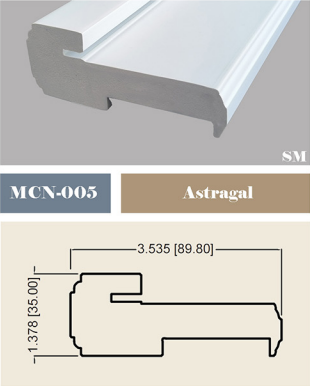
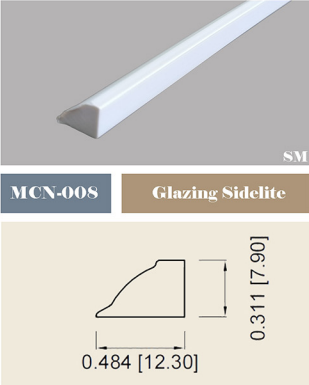
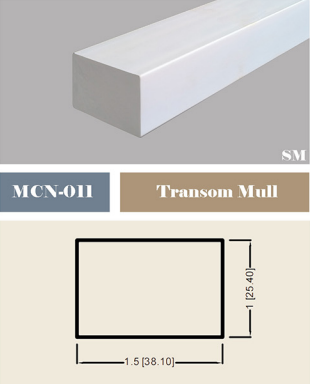
คานขวางประตู MCN-011 เป็นชิ้นส่วนโครงสร้างแนวนอนระดับมืออาชีพที่ออกแบบมาเพื่อแยกประตูออกจากหน้าต่างบานบน (ช่องแสงด้านข้าง/ช่องแสงเหนือประตู) ช่วยเสริมความแข็งแรงให้กับบานหน้าต่างขณะเดียวกันก็สร้างเส้นแบ่งที่ดูเรียบร้อย เหมาะสำหรับระบบทางเข้าอาคารที่พักอาศัย อาคารพาณิชย์ และอาคารสาธารณะ
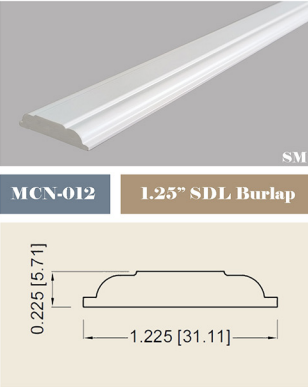
แถบตกแต่ง MCN-012 SDL Burlap เป็นแถบตกแต่งแบบจำลองบานกระจกแบ่งช่อง (SDL) ที่ออกแบบมาเพื่อติดลงบนพื้นผิวกระจกโดยตรง เลียนแบบลักษณะของหน้าต่างบานกระจกแบ่งช่องแบบดั้งเดิม ช่วยให้ได้ความสวยงามแบบหน้าต่างหลายบานคลาสสิกโดยไม่ต้องเปลี่ยนโครงสร้างหน้าต่างทั้งหมด ผิวสัมผัสแบบผ้ากระสอบให้ความรู้สึกเหมือนผ้าจริงที่ไม่เหมือนใคร
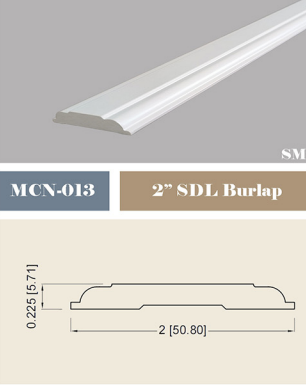
แถบตกแต่ง MCN-013 SDL Burlap เป็นแถบตกแต่งลายกระจกแบ่งช่องจำลอง (SDL) กว้าง 2 นิ้ว ออกแบบมาเพื่อติดลงบนพื้นผิวกระจกโดยตรง เลียนแบบลักษณะของหน้าต่างกระจกแบ่งช่องแบบดั้งเดิม เมื่อเทียบกับรุ่นที่แคบกว่า ความกว้าง 2 นิ้วนี้ให้รูปลักษณ์ของตะแกรงที่ดูโดดเด่นและแข็งแรงกว่า พื้นผิวแบบผ้ากระสอบให้สัมผัสที่เป็นเอกลักษณ์คล้ายผ้า เพิ่มเสน่ห์การตกแต่งแบบธรรมชาติและเรียบง่าย
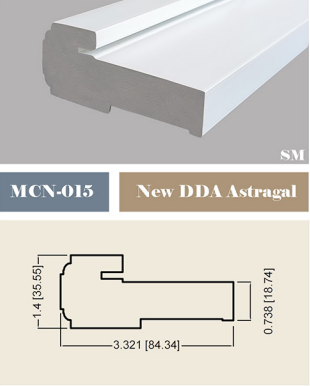
คิ้วประตู MCN-015 รุ่นใหม่ ออกแบบมาเพื่อตรงตามมาตรฐาน DDA (Disability Discrimination Act / ADA-compliant) สำหรับระบบประตูคู่ที่เข้าถึงได้ง่าย ติดตั้งที่ขอบของบานประตูที่ไม่ใช้งาน ช่วยปิดช่องว่างระหว่างบานประตูทั้งสองได้อย่างมีประสิทธิภาพ พร้อมทั้งรับประกันว่าตรงตามข้อกำหนดด้านการเข้าถึง เช่น แรงในการเปิดและช่องว่าง
Tel:
+86 18858129513