
ニュース
今すぐお問い合わせくださいCutting and Routing PVC Door Frames in the Workshop
-
 著者
- 22 10月 2026


A PVC door frame with a rough cut is still unfinished work. Once a rough end reaches assembly, somebody has to put it right: trim it again, dress the edge or work out why the corner will not close. A door plant already working with timber has a useful equipment base. What it needs next is a trial on the PVC profile, with enough attention to the cut that the operator can repeat it.
Familiar Equipment, Different Cutting Behaviour
Woodworking equipment can be suitable for cellular PVC, with appropriate tooling. That makes an existing timber workshop a reasonable place for a trial. Put the proposed PVC door jamb on the machine and assess the cut, rather than budgeting for new equipment before finding out what the current setup can do.
A stepped profile needs a little care at the fence. Set it down as it will sit during cutting and check whether it rocks. The raised stop may be holding part of the back clear of the bench. Sort out that support now; otherwise, the corner at assembly is where the problem will turn up.
Repeat work needs a repeatable reference face. For door plants preparing machined PVC door frame profiles, the MCN-001 from Xinhong New Materials provides a 4-9/16-inch jamb option. Its shape should guide the fixture and cutting reference; the nominal width alone cannot define either.
Blade Selection and the First Cut
An electric mitre saw cutting our mouldings is the application behind the 80-teeth-or-more recommendation. The blade should be carbide-tipped. Pass those details on together: somebody setting up a different saw or a CNC cutter will need guidance for that operation, rather than this tooth count.
The offcut is useful beyond a quick glance at the cut face. Bring it against a second piece and look along the visible edge. If that edge has dragged, there is more to investigate even when the flat face looks smooth. Tooling and support are worth examining before another speed adjustment.
Support Through the Full Travel
Support for long stock should reach both sides of the saw. Check the level against the machine bed, including the support under the piece that will be cut off. It should remain stable as the cut finishes. Arrange that support within the machine maker’s safe procedure, without trapping the blade.
A shaped support can solve a problem that clamp pressure cannot. With a stepped section resting unevenly, more pressure may distort the workpiece. Assess how the profile sits within the machine’s approved clamping arrangement, with its guards in place, before deciding that the clamp simply needs tightening.

Routing Around the Profile Shape
The recess has to leave a usable section behind it. Compare its position with the stops, thin edges and any reinforcement on the profile drawing. Finish quality and remaining material are separate questions; resolve the proposed cut with the supplier before it becomes the batch programme.
Changing jamb width means checking the cutter path again. Our MCN-003 is a 6-9/16-inch option; for these wider PVC door jamb sections, set up the support and reference face afresh. Compare the features on the drawing before shifting a path sideways by the difference in overall width.
The accepted sample is worth keeping at the machine. Label the profile and operation after checking its fit. When another operator takes over, there is then a physical edge and recess to compare with the next cut, rather than a photograph that may hide the very feature under discussion.
An SMC backing changes what the cutter may meet. Where the order includes that reinforcement, ask for approval of the machining area and tooling for the particular construction. Keep it out of the unreinforced profile trial until that is resolved, even if the outside dimensions look familiar.
What a Poor Edge Can Tell the Operator
Fault finding is easier with a description of the mark. “Rough at the exit” points to a different observation from “regular marks along the routed face.” Use the table to organise the first checks. Changing several settings together may produce a better cut, but it leaves the cause uncertain.
| Observation | First Checks | Useful Trial |
| Rough or torn-looking edge | Blade condition and stock support | Repeat on a supported offcut |
| Softened or smeared cut face | Friction, chip clearance and feed | Adjust one approved setting |
| Uneven end angle | Fence contact and profile rocking | Check two mating pieces |
| Repeating routing marks | Cutter condition and workholding | Inspect a short controlled pass |
Similar marks can have different causes, so the table narrows the investigation rather than settling it. If an adjustment makes no difference, put that result beside the sample and review the next check. Extra hand sanding at this stage can conceal a problem that will return on the next piece.
Shavings should be cleared by the machine’s approved procedure, with suitable extraction in use. A trial is no reason to reach past a guard or into running equipment. Follow the equipment instructions if accumulated chips interrupt the work.

A Matched Trim Trial Before Batch Release
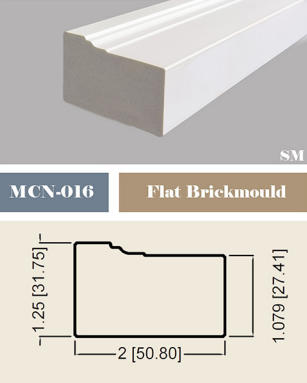
The visible corner brings the jamb and trim cuts together. Our MCN-016 Flat Brickmould is 2 inches wide overall. Put this matching PVC door frame trim beside the jamb during the trial and inspect their meeting faces; approving the pieces separately leaves that fit unresolved.
The cutting list should name Flat Brickmould as perimeter trim. The sill beneath the door is a different component, with a different location in the assembly. “Door surround” alone is too broad a description for an operator deciding which reference face and finished length belong to the piece.
Batch approval can stay compact. Keep the operator’s record focused on the details needed to reproduce the accepted result:
- Exact profile and finish used in the trial.
- Blade or cutter identification and approved machine settings.
- Reference face, support arrangement and finished cut size.
- Accepted sample and the checks made on the mating trim.
The transfer rack can undo a clean cut. Give accepted pieces a place away from loose offcuts and chips, where their finished faces will not rub against debris. Otherwise, assembly may report a damaged edge and send the investigation back to a saw that cut it correctly.
A Repeatable Cut Is the Practical Goal
A setup earns its place on the line when the next operator can reproduce the cut. Keep the accepted PVC door frame profile and mating Flat Brickmould together with the tooling record. When an edge changes after a new blade or material batch, you then have a specific result to work back towards.
For a machining trial on our jambs and Flat Brickmould, お問い合わせ with the profile and proposed operation so we can confirm the relevant product details.
よくある質問
Can PVC Door Frames Be Cut With a Mitre Saw?
Yes. Our recommendation for mouldings is a carbide-tipped blade with 80 or more teeth on an electric mitre saw. It remains necessary to match the blade to the machine and try the ordered profile before batch cutting.
Can the Same Router Setup Be Used for Every Jamb?
Treat each shape as a separate setup until the support and cutter path have been checked. A recess that works on one PVC door jamb may leave a different section on another. Reinforcement in the cutting area needs specific approval.
Why Does a Cut Edge Look Rough?
Tool wear, unsuitable tooling, poor support and friction are possible causes. Repeat the cut on a supported offcut after one controlled adjustment. That result is more useful than trying to identify a single cause from a photograph of the edge.
Should Flat Brickmould Be Included in the Trial?
Yes, because the fit between the trim and jamb is part of the finished result. Record separate cutting references for them, then assess the mating pieces together. Neither component alone can show you the complete visible corner.
Is There One Feed Speed for All PVC Profiles?
No. The recommendation depends on the machine and cutter as well as the profile. Record those details alongside the trial’s accepted feed speed. A speed copied without its tooling context gives the next operator too little information.

製品
関連製品
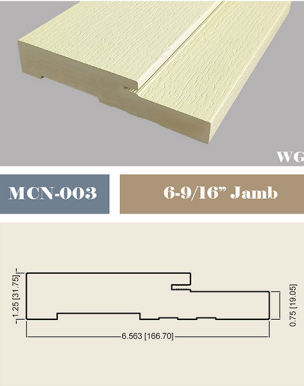
MCN-003ドア枠は、ドアや窓の開口部の側面奥行きを覆うように設計された6-9/16インチのドア枠プロファイルです。ドアの端から外壁面まで完全に覆い、ドアの取り付けベースとして安定感を提供すると同時に、開口部の端をすっきりと仕上げます。特に、厚みのある壁や外断熱壁のドア枠システムに適しています。
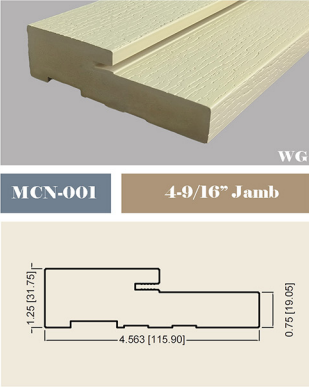
MCN-001ドア枠は、ドアや窓の開口部の側面奥行きを覆うように設計された4-9/16インチのドア枠プロファイルです。ドアの端から外壁面まで完全に覆い、ドアの取り付けベースとして安定感を提供すると同時に、開口部の端をすっきりと仕上げます。住宅および商業ビルにおける標準的な壁面ドア枠システムに適しています。
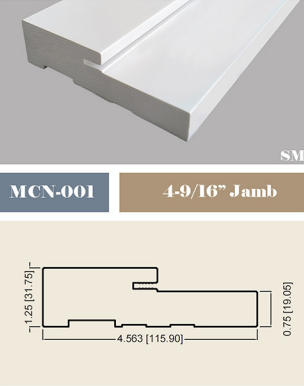
MCN-001ドア枠は、ドアや窓の開口部の側面奥行きを覆うように設計された4-9/16インチのドア枠プロファイルです。ドアの端から外壁面まで完全に覆い、ドアの取り付けベースとして安定感を提供すると同時に、開口部の端をすっきりと仕上げます。住宅および商業ビルにおける標準的な壁面ドア枠システムに適しています。
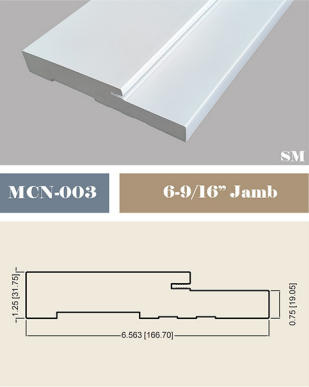
MCN-003ドア枠は、ドアや窓の開口部の側面奥行きを覆うように設計された6-9/16インチのドア枠プロファイルです。ドアの端から外壁面まで完全に覆い、ドアの取り付けベースとして安定感を提供すると同時に、開口部の端をすっきりと仕上げます。特に、厚みのある壁や外断熱壁のドア枠システムに適しています。
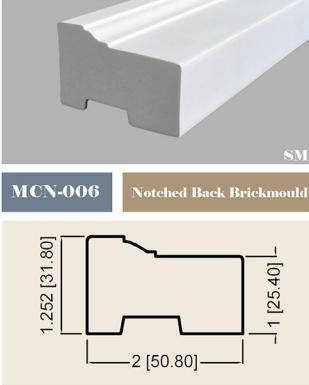
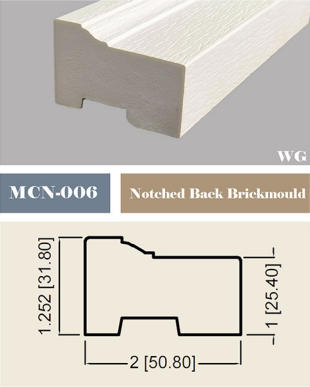
MCN-006ノッチバックブリックモールドは、ドアや窓枠として使用できる高級外装トリムです。背面の切り欠きにより、レンガ、スタッコ、サイディングにぴったりとフィットします。WGシリーズのブリックモールドは、さまざまな壁厚や用途に対応できるよう、スリム化されています。
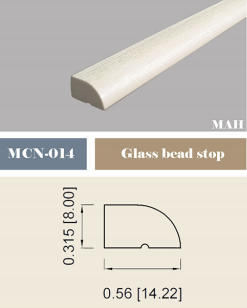
MCN-014ガラスビーズストップは、ドアや窓のガラスパネルを固定、位置決め、密閉するために使用される、プロ仕様のガラス部材です。ガラスとフレームの間に取り付けることで、ガラスの動きを防ぎながら、すっきりとした美しい仕上がりを実現します。住宅用および商業用ドア・窓システムに適しています。
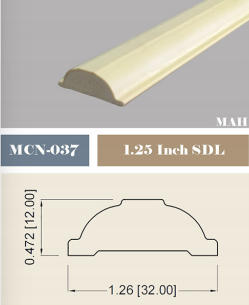
MCN-037 SDLは、ガラス面に直接貼り付けるように設計された、幅1.25インチの擬似分割ガラス装飾ストリップです。伝統的な本物の分割ガラス窓の外観を再現し、窓全体を交換することなく、クラシックな多連窓の美しさを実現します。すっきりとした形状は、様々な建築様式にマッチします。
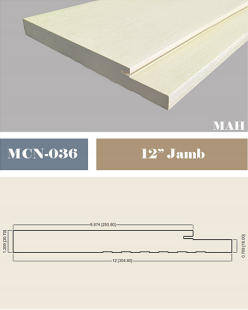
MCN-036 12インチドア枠は、厚い壁や奥行きのあるドア・窓開口部向けに設計された、幅広タイプのドア枠です。ドアの端から外壁面までをしっかりと支える幅広設計で、安定したドアサポートとすっきりとした美しい仕上がりを実現します。住宅、商業施設、工業施設など、幅広い用途に適しています。
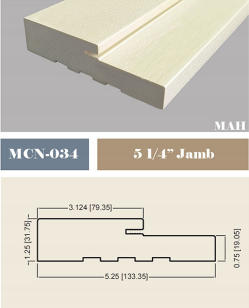
MCN-034ドア枠は、ドアや窓の開口部の側面奥行きを覆うように設計された5-1/4インチのドア枠プロファイルです。ドアの端から外壁面まで完全に覆い、ドアの取り付けベースとして安定感を提供すると同時に、開口部の端をすっきりと仕上げます。住宅および商業ビルにおける標準および厚壁ドア枠システムに適しています。
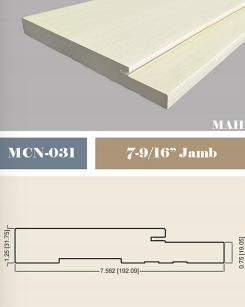
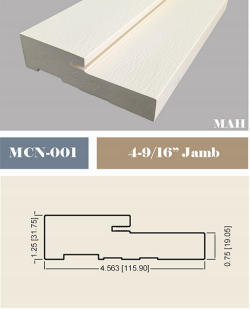
MCN-001ドア枠は、ドアや窓の開口部の側面奥行きを覆うように設計された4-9/16インチのドア枠プロファイルです。ドアの端から外壁面まで完全に覆い、ドアの取り付けベースとして安定感を提供すると同時に、開口部の端をすっきりと仕上げます。住宅および商業ビルにおける標準的な壁面ドア枠システムに適しています。
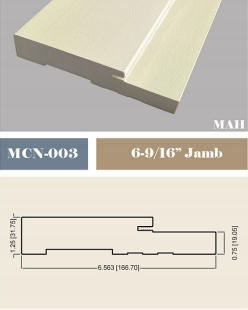
MCN-003ドア枠は、ドアや窓の開口部の側面奥行きを覆うように設計された6-9/16インチのドア枠プロファイルです。ドアの端から外壁面まで完全に覆い、ドアの取り付けベースとして安定感を提供すると同時に、開口部の端をすっきりと仕上げます。特に、厚みのある壁や外断熱壁のドア枠システムに適しています。
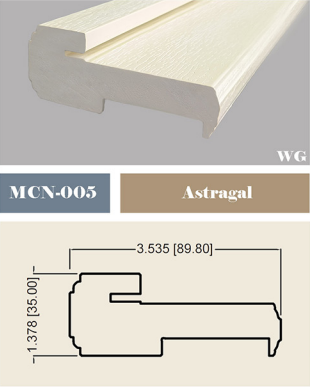
このアストラルは、両開きドア(フレンチドア/ペアドア)用に設計されたプロ仕様のドアトリム部品です。非可動側のドアの端に取り付けることで、2枚のドアの間の隙間を覆い、気密性、遮音性、プライバシーを向上させ、美しい仕上がりを実現します。
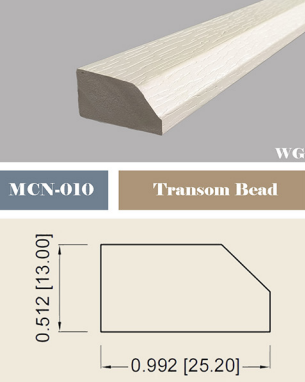
MCN-010トランサムビードは、トランサム窓(ドア上部の欄間窓/固定窓)用に専門的に設計された装飾トリムです。トランサム部分の装飾的な縁取り、ガラスの保持、または移行トリムとして機能します。コンパクトなビード形状は、住宅や商業ビルのドア開口部に洗練されたディテールを加えます。
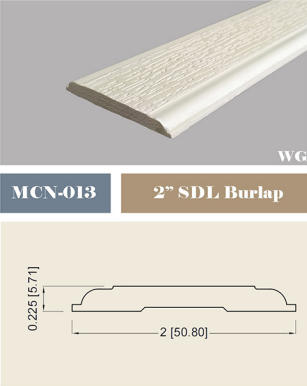
MCN-013 SDLバーラップは、ガラス面に直接貼り付けることで、伝統的な本物の格子窓の外観を再現できる、幅2インチの擬似格子(SDL)装飾ストリップです。2インチ幅により、より大胆で重厚感のある格子模様が実現します。バーラップ仕上げは独特の布のような質感で、自然で素朴な装飾の魅力を添えます。
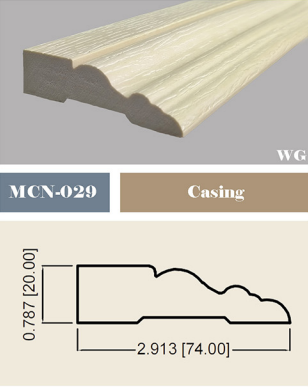
MCN-029ケーシングは、ドア枠と壁面の間に装飾的な継ぎ目を作るために専門的に設計されたドアトリムです。ドア枠と壁面の間の隙間を覆い、すっきりとした仕上がりを実現すると同時に、ドア枠の端を損傷から保護します。住宅および商業施設の室内ドア開口部に適しています。
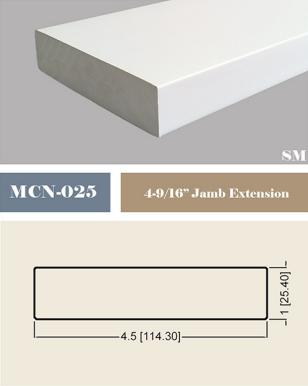
MCN-025 ドア枠延長部材は、厚みのある壁に対応するため、標準的なドア枠の奥行きを延長する4-9/16インチ(約11.6cm)のドア枠延長部材です。壁の厚みが標準的なドア枠の寸法を超える場合、この延長部材は既存のドア枠の端にシームレスに取り付けられ、ドア枠が壁面と面一になるようにし、すっきりとした仕上がりの完全な取り付けベースを提供します。
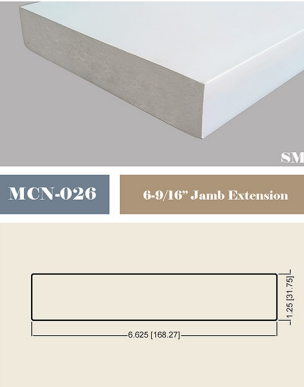
MCN-026 ドア枠延長部材は、標準的なドア枠の奥行きを拡張し、特に厚い壁に対応するために設計された、6-9/16インチのドア枠奥行き延長部材です。壁の厚さが標準的なドア枠の寸法を超える場合、この延長部材は既存のドア枠の端にシームレスに取り付けられ、フレームが壁面と面一になるようにし、すっきりとした仕上がりの完全な取り付けベースを提供します。
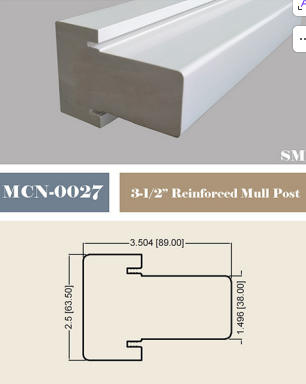
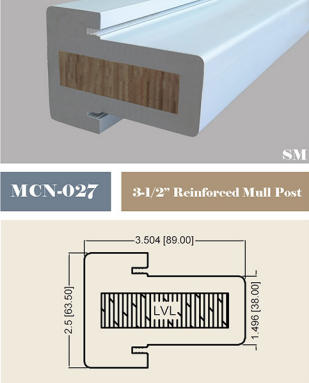
MCN-027強化型マリオンポストは、ドアと窓を組み合わせたシステム用に設計された、直径3-1/2インチの垂直構造部材です。固定窓、可動窓、ドア、サイドライトなどの隣接するユニットを接続・固定し、開口部の安定性と安全性を確保するための構造強度を高めます。内蔵されたLVL(積層単板木材)補強材により、耐荷重性と反り抵抗が大幅に向上しています。
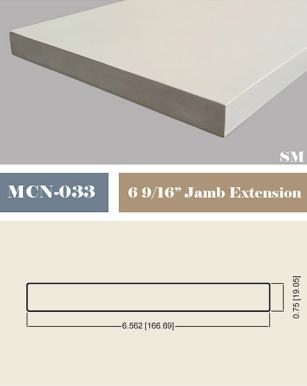
MCN-033 ドア枠延長部材は、厚さ6-9/16インチのドア枠延長部材で、壁の厚みに合わせて標準的なドア枠の奥行きを延長するように設計されています。壁の厚みが標準的なドア枠の寸法を超える場合、この延長部材は既存のドア枠の端にシームレスに取り付けられ、ドア枠が壁面と面一になるようにし、すっきりとした仕上がりの完全な取り付けベースを提供します。
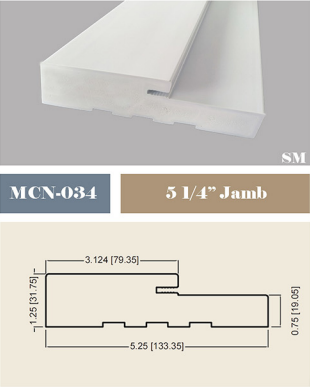
MCN-034ドア枠は、ドアや窓の開口部の側面奥行きを覆うように設計された5-1/4インチのドア枠プロファイルです。ドアの端から外壁面まで完全に覆い、ドアの取り付けベースとして安定感を提供すると同時に、開口部の端をすっきりと仕上げます。住宅および商業ビルの屋内・屋外ドア枠システムに適しています。
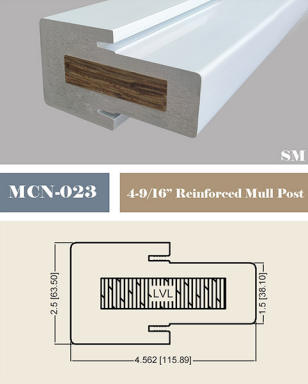
MCN-023強化型マリオンポストは、ドアと窓を組み合わせたシステム用に設計された、直径4-9/16インチの垂直構造部材です。固定窓、可動窓、ドア、サイドライトなどの隣接するユニットを接続・固定し、開口部の安定性と安全性を確保するための構造強度を高めます。内蔵されたLVL(積層単板木材)補強材により、耐荷重性と反り抵抗が大幅に向上しています。
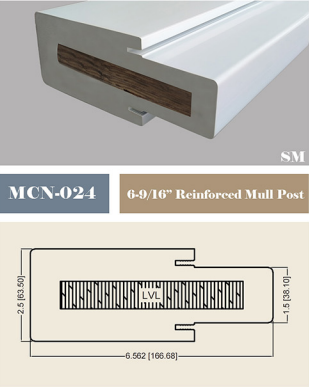
MCN-024強化型マリオンポストは、ドアと窓を組み合わせたシステム用に設計された、直径6-9/16インチの垂直構造部材です。固定窓、可動窓、ドア、サイドライトなどの隣接するユニットを接続・固定し、構造的な強度を高めることで、大開口部の安定性と安全性を確保します。
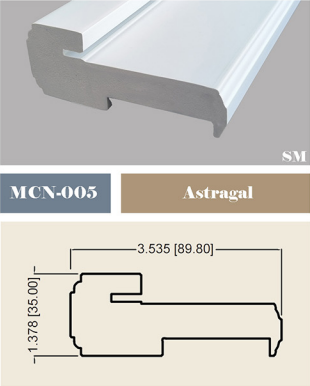
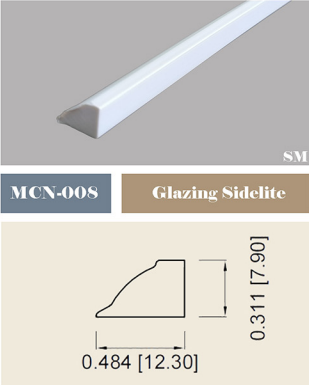
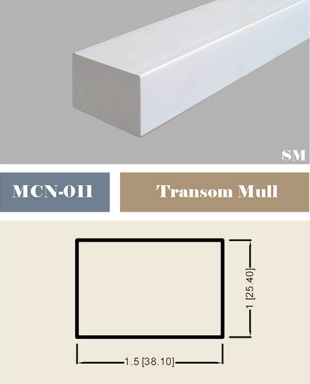
MCN-011トランサムマリオンは、ドアと上部のトランサム窓(サイドライト/ファンライト)を分離するために設計された、プロ仕様の水平フレーム部材です。トランサムを構造的に支えながら、すっきりとした視覚的な仕切り線を作り出し、住宅、商業施設、公共施設のエントランスシステムに適しています。
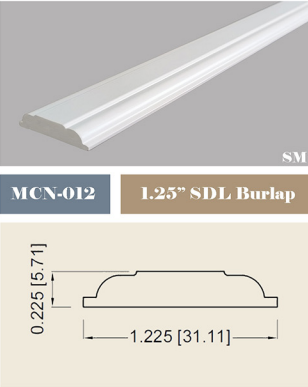
MCN-012 SDLバーラップは、ガラス面に直接貼り付けることで、伝統的な本物の分割窓の外観を再現する、擬似分割窓(SDL)装飾ストリップです。窓全体の構造を交換することなく、クラシックな多連窓の美しさを実現します。バーラップ仕上げは、独特の布のような質感を提供します。
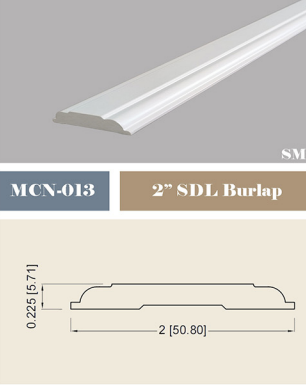
MCN-013 SDLバーラップは、ガラス面に直接貼り付けることで、伝統的な本物の格子窓の外観を再現できる、幅2インチの擬似格子(SDL)装飾ストリップです。幅の狭いタイプと比べて、2インチ幅はより大胆で重厚感のある格子模様を演出します。バーラップ仕上げは独特の布のような質感で、自然で素朴な装飾の魅力を添えます。
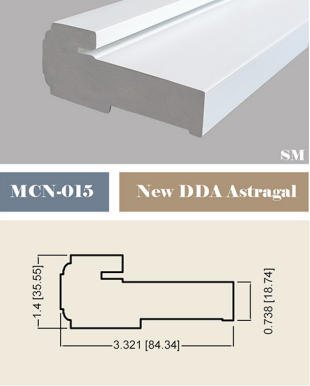
MCN-015 New DDA Astragalは、アクセシビリティ対応の二枚扉システムに関するDDA(障害者差別禁止法/ADA準拠)基準を満たすように設計されたドア用アストラルです。二枚扉の非可動側の扉の端に取り付けられ、2枚の扉板間の隙間を効果的に密閉すると同時に、開閉力や隙間幅などのアクセシビリティ要件への準拠を保証します。
Tel:
+86 18858129513