
أخبار
اتصل بنا الآنHow PVC Door Frames Keep Entrances Consistent
-
 مؤلف
مؤلف
- 30 سبتمبر 2026

Entrance consistency is easy to underestimate until a project has dozens of units side by side. A single frame that looks slightly yellow, bowed, patched, or uneven can make the finished doorway feel cheaper than the door slab itself. For door factories and regional distributors, the real problem is keeping repeated exterior openings visually aligned without adding heavy finishing work to every order.
Consistency starts before the frame reaches the door
Visual quality begins with the material blank, not with touch-up work after assembly. Wood can bring natural grain, knots, color variation, and moisture movement into the process, which may be acceptable in custom carpentry but difficult in a repeated wholesale program.
PVC offers a different route because the profile is manufactured to a controlled shape and surface. A well-made pvc door frame design gives the door supplier a predictable visual baseline before cutting, mitering, fastening, or packing begins.
Surface uniformity
A consistent surface lets the entrance read as one system instead of a collection of corrected parts. This matters for white exterior frames, where small tone shifts, filled defects, or rough patched areas can stand out in daylight.
Xinhong New Materials focuses on PVC profiles and door-frame components produced through automated lines and developed molds. That production route helps keep long profiles straight, clean, and repeatable across batches, which is the foundation of appearance control.

Straight lines protect the doorway impression
A doorway often shows problems at the margins first. The human eye catches uneven reveal lines, soft corners, and profiles that do not sit cleanly around the slab, even when the door itself is well made.
Stable PVC framing helps reduce those visual interruptions. The factory reports a high-quality yield above 95% from formula blending through production-line output, and its PVC profile work is supported by multiple production lines and independently developed molds. Those process facts are useful when a مادة إطار الباب PVC must look the same from sample approval through bulk supply.
Profile edges
Profile edges influence both the close-up finish and the viewed-from-the-street appearance. Clean lines make miters easier to read, trim transitions calmer, and repeated door sets more consistent across a development.
That is where a pvc door frame trim component has to do more than cover a gap. It needs to visually complete the opening while staying compatible with the frame and threshold relationship selected for the door system.
What door suppliers should compare visually
The most useful visual inspection compares the features that buyers will actually see after installation. It should not become a full product manual, but it should catch the details that make repeated entrances look controlled.
| Visual checkpoint | What to look for | Why it matters |
| Color and surface | Even white tone, no obvious patched areas | Keeps multi-unit projects visually aligned |
| Profile straightness | Clean long edges and consistent reveals | Reduces the look of poor assembly |
| Corner behavior | Tight miter appearance after cutting | Protects the frame’s close-up finish |
| Trim relationship | Brickmould and jamb read as one system | Makes the exterior opening feel complete |
This comparison works best when it is done on the same profile that will be supplied in bulk. Sample boards, short offcuts, and unrelated shapes cannot show how a full door program will look once many units are installed. It also lets sales teams explain the finished opening with confidence when dealers compare several homes or project phases.
- Approve the visible profile face, not only the cross-section.
- Check long pieces under normal daylight before packing approval.
- Compare trim and jamb together when both parts ship as a system.
- Keep finish expectations separate from structural testing.

No-paint programs need a cleaner baseline
A no-paint frame program saves labor only when the supplied surface is already consistent enough to use. If teams must sand, prime, repaint, or sort too many pieces, the apparent convenience disappears inside finishing labor.
PVC is useful here because the material can be supplied as a finished-looking profile rather than a raw natural material that needs a coating to hide variation. For door suppliers evaluating a solid pvc door frame, that baseline can support cleaner assembly and fewer appearance-related disputes with downstream dealers.
This point is practical for Xinhong New Materials because its promoted door-frame program uses PVC, can support practical no-paint supply expectations, and serves European and North American markets where PVC door frame and PVC door jamb terminology both matter.
Summary: repeated doors need repeatable frames
A consistent entrance is not created by the slab alone. It depends on the jamb, trim, threshold relationship, color baseline, edge quality, and batch-to-batch profile control all working together without making the supplier refinish every component.
For wholesalers comparing a composite door frame program with wood alternatives, the useful next step is to review full-length profile samples, trim compatibility, packing protection, and repeat-order control before committing to a project quantity. Xinhong New Materials can support that review with PVC frame profiles and matching exterior components.
التعليمات
Why does PVC door frame design matter visually?
PVC door frame design matters because the visible profile face, edge shape, trim relationship, and color baseline all affect how consistent the finished entrance looks.
Is PVC door frame material suitable for white exterior openings?
PVC door frame material is often selected for white exterior openings because a controlled profile can reduce natural color and grain variation compared with timber.
Does a solid PVC door frame still need painting?
A solid PVC door frame may be supplied for no-paint programs when the approved surface and color meet the door supplier’s visual standard, though project-specific finish requirements should still be confirmed.
How should exterior door jamb PVC samples be checked?
Exterior door jamb pvc samples should be checked as full profiles where possible, including long-edge straightness, visible surface, corner behavior, and compatibility with selected trim.
Can PVC trim improve multi-unit project consistency?
PVC trim can improve consistency when the brickmould, jamb, and threshold relationship are selected as a coordinated exterior opening rather than mixed from unrelated component sources.

منتجات
المنتجات ذات الصلة
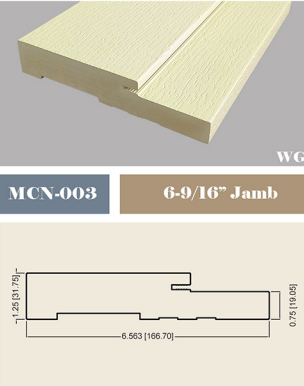
إطار الباب MCN-003 هو إطار باب بقياس 6-9/16 بوصة، مصمم لتغطية عمق فتحات الأبواب والنوافذ، موفرًا تغطية كاملة من حافة الباب إلى سطح الجدار الخارجي. يوفر قاعدة تثبيت ثابتة للباب، مع إضفاء لمسة نهائية أنيقة على حافة الفتحة. مناسب بشكل خاص للجدران السميكة أو أنظمة إطارات الأبواب المعزولة للجدران الخارجية.
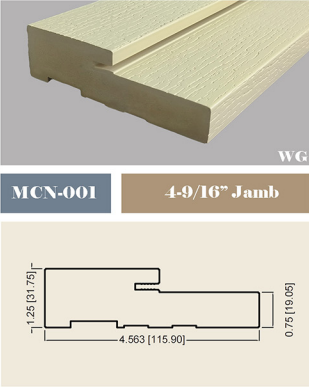
إطار الباب MCN-001 هو إطار باب بقياس 4-9/16 بوصة، مصمم لتغطية عمق فتحات الأبواب والنوافذ، موفرًا تغطية كاملة من حافة الباب إلى سطح الجدار الخارجي. يوفر قاعدة تثبيت ثابتة للباب، مع إضفاء لمسة نهائية أنيقة على حافة الفتحة. مناسب لأنظمة إطارات الأبواب الجدارية القياسية في المباني السكنية والتجارية.
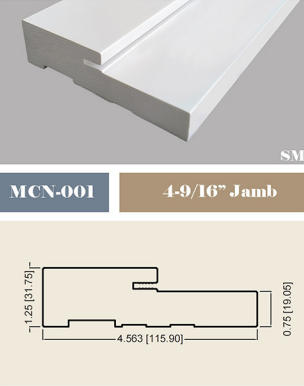
إطار الباب MCN-001 هو إطار باب بقياس 4-9/16 بوصة، مصمم لتغطية عمق فتحات الأبواب والنوافذ، موفرًا تغطية كاملة من حافة الباب إلى سطح الجدار الخارجي. يوفر قاعدة تثبيت ثابتة للباب، مع إضفاء لمسة نهائية أنيقة على حافة الفتحة. مناسب لأنظمة إطارات الأبواب الجدارية القياسية في المباني السكنية والتجارية.
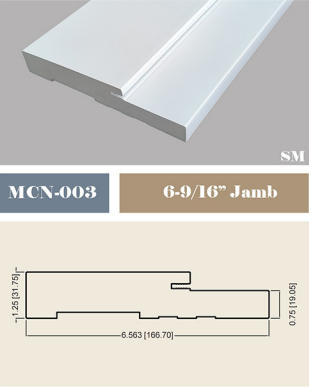
إطار الباب MCN-003 هو إطار باب بقياس 6-9/16 بوصة، مصمم لتغطية عمق فتحات الأبواب والنوافذ، موفرًا تغطية كاملة من حافة الباب إلى سطح الجدار الخارجي. يوفر قاعدة تثبيت ثابتة للباب، مع إضفاء لمسة نهائية أنيقة على حافة الفتحة. مناسب بشكل خاص للجدران السميكة أو أنظمة إطارات الأبواب المعزولة للجدران الخارجية.
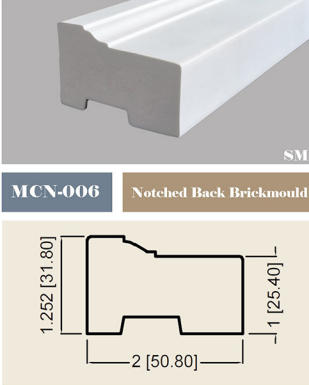
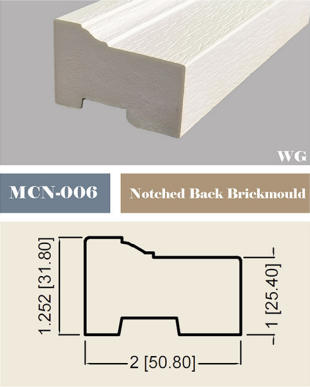
قالب الطوب MCN-006 ذو الشق الخلفي هو إطار خارجي فاخر يُستخدم كإطار للأبواب والنوافذ. يسمح الشق الموجود في الجزء الخلفي بتركيبه بشكل أفضل على الطوب أو الجص أو الألواح الجانبية. تم تصميم قوالب الطوب من سلسلة WG بشكل أنحف لتناسب مجموعة متنوعة من سماكات الجدران والتطبيقات.
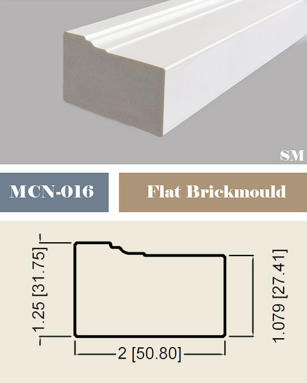
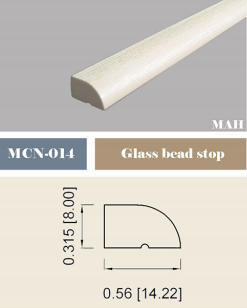
مانع انزلاق الزجاج MCN-014 هو عنصر زجاجي مصمم باحترافية، يُستخدم لتثبيت ألواح الزجاج في الأبواب والنوافذ، وتحديد موضعها، وإحكام إغلاقها. يُركّب بين الزجاج والإطار لمنع حركة الزجاج، مع توفير لمسة نهائية أنيقة. مناسب لأنظمة الأبواب والنوافذ السكنية والتجارية.
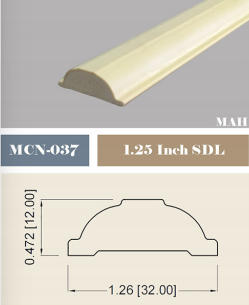
شريط MCN-037 SDL هو شريط زخرفي مُحاكٍ للزجاج المقسم، بعرض 1.25 بوصة، مصمم ليتم تركيبه مباشرةً على الأسطح الزجاجية، ليُحاكي مظهر النوافذ التقليدية ذات الزجاج المقسم. يُضفي هذا الشريط جمالية النوافذ الكلاسيكية متعددة الألواح دون الحاجة إلى استبدال هيكل النافذة بالكامل. كما أن تصميمه الأنيق يُناسب مختلف الأنماط المعمارية.
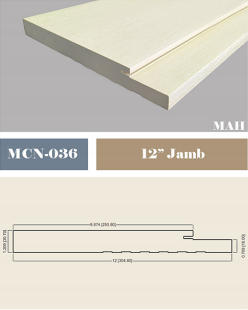
إطار الباب MCN-036 مقاس 12 بوصة هو إطار عريض للغاية مصمم للجدران السميكة أو فتحات الأبواب/النوافذ العميقة. يمتد عرضه بالكامل من حافة الباب إلى سطح الجدار الخارجي، مما يوفر دعمًا ثابتًا للباب ولمسة نهائية أنيقة. مناسب للمباني السكنية والتجارية والصناعية.
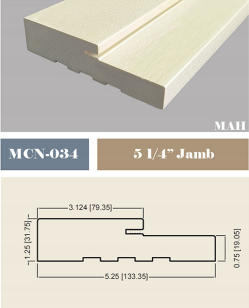
إطار الباب MCN-034 هو إطار باب بقياس 5-1/4 بوصة، مصمم لتغطية عمق فتحات الأبواب والنوافذ، موفرًا تغطية كاملة من حافة الباب إلى سطح الجدار الخارجي. يوفر قاعدة تثبيت ثابتة للباب، مع إضفاء لمسة نهائية أنيقة على حافة الفتحة. مناسب لأنظمة إطارات الأبواب ذات الجدران القياسية والسميكة في المباني السكنية والتجارية.
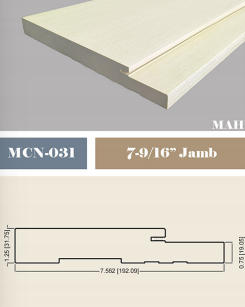
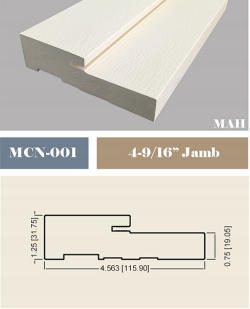
إطار الباب MCN-001 هو إطار باب بقياس 4-9/16 بوصة، مصمم لتغطية عمق فتحات الأبواب والنوافذ، موفرًا تغطية كاملة من حافة الباب إلى سطح الجدار الخارجي. يوفر قاعدة تثبيت ثابتة للباب، مع إضفاء لمسة نهائية أنيقة على حافة الفتحة. مناسب لأنظمة إطارات الأبواب الجدارية القياسية في المباني السكنية والتجارية.
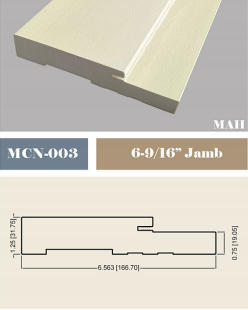
إطار الباب MCN-003 هو إطار باب بقياس 6-9/16 بوصة، مصمم لتغطية عمق فتحات الأبواب والنوافذ، موفرًا تغطية كاملة من حافة الباب إلى سطح الجدار الخارجي. يوفر قاعدة تثبيت ثابتة للباب، مع إضفاء لمسة نهائية أنيقة على حافة الفتحة. مناسب بشكل خاص للجدران السميكة أو أنظمة إطارات الأبواب المعزولة للجدران الخارجية.
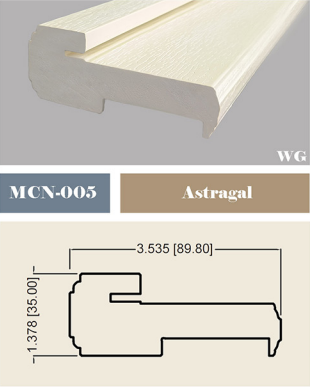
هذا الإطار المعدني هو قطعة تزيينية احترافية للأبواب المزدوجة (الأبواب الفرنسية/الأبواب المزدوجة). يُركّب على حافة الجزء غير المستخدم من الباب لتغطية الفجوة بين البابين، مما يُحسّن من إحكام إغلاق الهواء، وعزل الصوت، والخصوصية، ويُضفي مظهرًا أنيقًا.
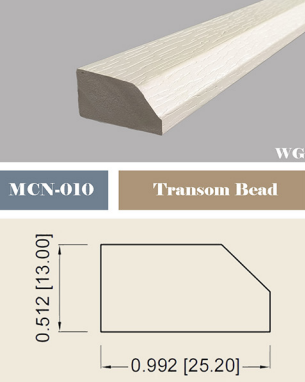
إطار MCN-010 العلوي هو إطار زخرفي مصمم باحترافية لنوافذ العتبة (النوافذ العلوية/النوافذ الثابتة فوق الأبواب). يُستخدم كحافة زخرفية، أو لتثبيت الزجاج، أو كإطار انتقالي لمنطقة العتبة. يضفي شكله المدمج لمسة جمالية أنيقة على فتحات الأبواب في المباني السكنية والتجارية.
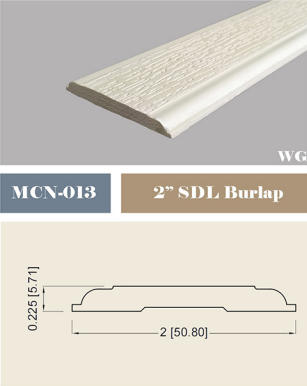
شريط MCN-013 SDL Burlap هو شريط زخرفي بعرض بوصتين يُحاكي تصميم النوافذ الزجاجية المقسمة (SDL)، مصمم ليتم تثبيته مباشرةً على الأسطح الزجاجية، ليُحاكي مظهر النوافذ الزجاجية المقسمة التقليدية. يمنح العرض البالغ بوصتين مظهرًا أكثر جرأةً وفخامةً للشبكة. أما ملمس الخيش فيُضفي عليه طابعًا فريدًا يُشبه القماش، مما يُضيف لمسةً جماليةً طبيعيةً وريفية.
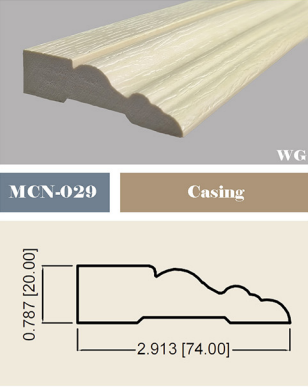
إطار MCN-029 هو إطار باب مصمم باحترافية، يوفر انتقالًا أنيقًا بين إطار الباب والجدار. يغطي هذا الإطار الفجوة بين الإطار وسطح الجدار، مما يمنح مظهرًا نهائيًا أنيقًا، ويحمي حواف إطار الباب من التلف. مناسب لفتحات الأبواب الداخلية في المساحات السكنية والتجارية.
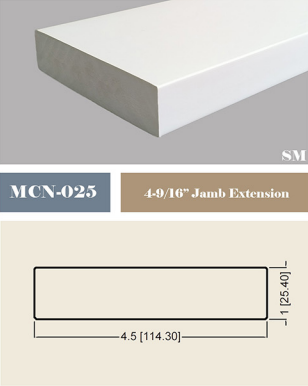
وصلة إطار الباب MCN-025 هي وصلة بعمق 4-9/16 بوصة مصممة لزيادة عمق إطار الباب القياسي للجدران السميكة. عندما يتجاوز سمك الجدار أبعاد الإطار القياسية، تتصل الوصلة بسلاسة بحافة الإطار الموجودة، مما يضمن استواء الإطار مع سطح الجدار ويوفر قاعدة تثبيت كاملة بلمسة نهائية أنيقة.
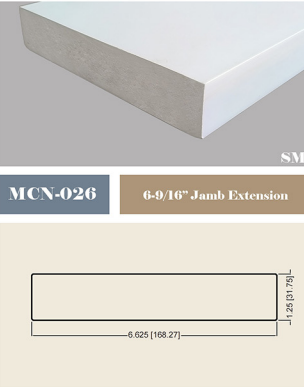
وصلة إطار الباب MCN-026 هي وصلة بعمق 6-9/16 بوصة مصممة لزيادة عمق إطار الباب القياسي للجدران السميكة جدًا. عندما يتجاوز سمك الجدار أبعاد الإطار القياسية، تتصل الوصلة بسلاسة بحافة الإطار الموجودة، مما يضمن استواء الإطار مع سطح الجدار ويوفر قاعدة تثبيت كاملة بلمسة نهائية أنيقة.
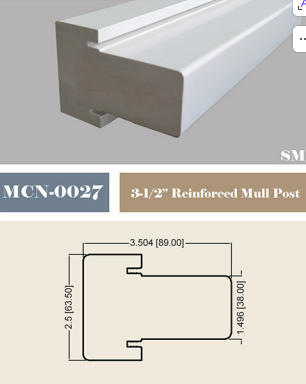
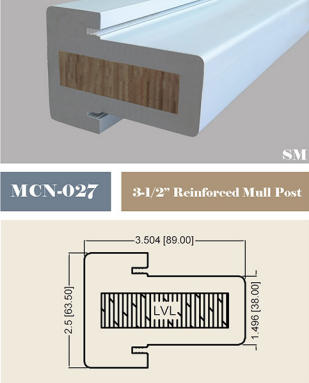
يُعدّ عمود MCN-027 المُدعّم عنصرًا إنشائيًا رأسيًا بطول 3.5 بوصة، مُصمّمًا لأنظمة الأبواب والنوافذ المُدمجة. يربط هذا العمود الوحدات المُجاورة (مثل النوافذ الثابتة، والنوافذ القابلة للفتح، والأبواب، والألواح الجانبية) ويُؤمّنها، مُوفّرًا بذلك قوة إنشائية إضافية لضمان استقرار الفتحات وسلامتها. كما يُعزّز التعزيز المُدمج من الخشب الرقائقي المُصفّح (LVL) قدرة تحمّل الأحمال ومقاومة الالتواء بشكلٍ ملحوظ.
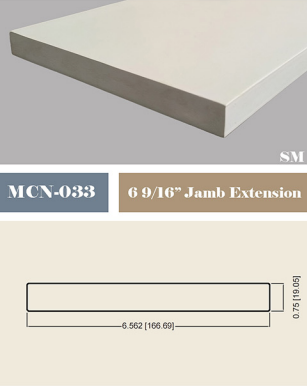
وصلة إطار الباب MCN-033 هي وصلة بعمق 6-9/16 بوصة مصممة لزيادة عمق إطار الباب القياسي للجدران السميكة. عندما يتجاوز سمك الجدار أبعاد الإطار القياسية، تتصل الوصلة بسلاسة بحافة الإطار الموجودة، مما يضمن استواء الإطار مع سطح الجدار ويوفر قاعدة تثبيت كاملة بلمسة نهائية أنيقة.
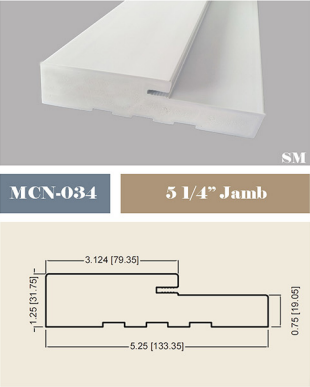
إطار الباب MCN-034 هو إطار باب بقياس 5-1/4 بوصة، مصمم لتغطية عمق فتحات الأبواب والنوافذ، موفرًا تغطية كاملة من حافة الباب إلى سطح الجدار الخارجي. يوفر قاعدة تثبيت ثابتة للباب، مع إضفاء لمسة نهائية أنيقة على حافة الفتحة. مناسب لأنظمة إطارات الأبواب الداخلية والخارجية في المباني السكنية والتجارية.
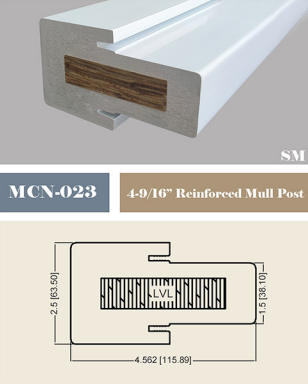
عمود MCN-023 المُدعّم هو عنصر إنشائي رأسي بطول 4-9/16 بوصة، مُصمّم لأنظمة الأبواب والنوافذ المُدمجة. يربط هذا العمود الوحدات المُجاورة (مثل النوافذ الثابتة، والنوافذ القابلة للفتح، والأبواب، والألواح الجانبية) ويُؤمّنها، مُوفّرًا قوة إنشائية إضافية لضمان استقرار الفتحات وسلامتها. كما يُعزّز التعزيز المُدمج من الخشب الرقائقي المُصفّح (LVL) قدرة تحمّل الأحمال ومقاومة الالتواء بشكل ملحوظ.
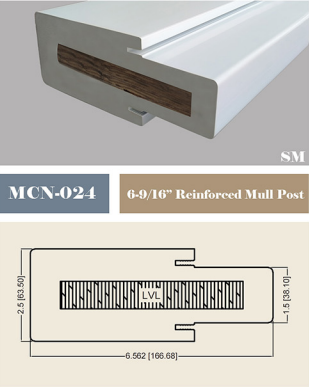
يُعدّ عمود MCN-024 المُدعّم عنصرًا إنشائيًا رأسيًا بطول 6-9/16 بوصة، مُصمّمًا لأنظمة الأبواب والنوافذ المُدمجة. يربط هذا العمود الوحدات المُجاورة (مثل النوافذ الثابتة، والنوافذ القابلة للفتح، والأبواب، والألواح الجانبية) ويُؤمّنها، مما يُوفّر قوة إنشائية إضافية لضمان الاستقرار والسلامة للفتحات ذات الامتداد الكبير.
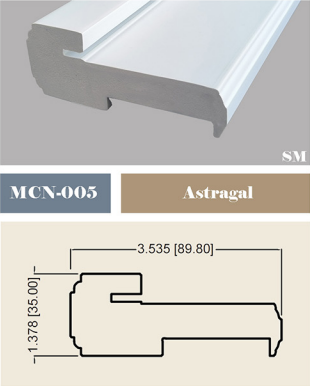
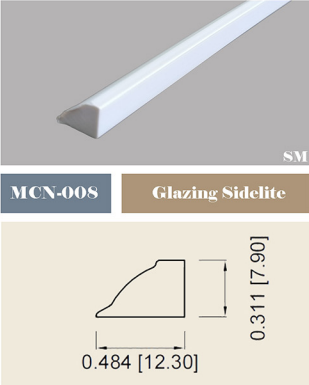
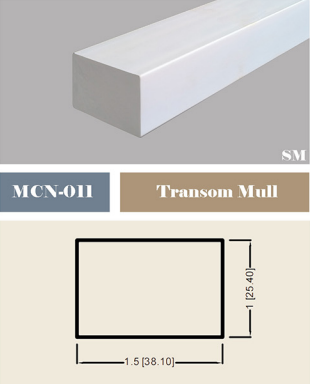
إنّ دعامة العارضة MCN-011 هي عنصر هيكلي أفقي احترافي مصمم لفصل الباب عن نافذة العارضة العلوية (النافذة الجانبية/النافذة العلوية). توفر هذه الدعامة دعماً هيكلياً للعارضة العلوية مع إنشاء خط فاصل بصري أنيق، وهي مناسبة لأنظمة مداخل المباني السكنية والتجارية والعامة.
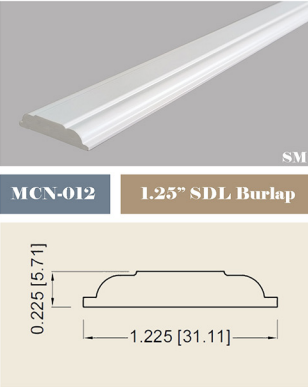
شريط MCN-012 SDL Burlap هو شريط زخرفي يحاكي الزجاج المقسم (SDL)، مصمم ليتم تركيبه مباشرة على الأسطح الزجاجية، ليُحاكي مظهر النوافذ الزجاجية المقسمة التقليدية. يُضفي هذا الشريط جمالية النوافذ متعددة الألواح الكلاسيكية دون الحاجة إلى استبدال هيكل النافذة بالكامل. كما يتميز بسطحه الخيشي الذي يُعطي ملمسًا فريدًا يُشبه القماش.
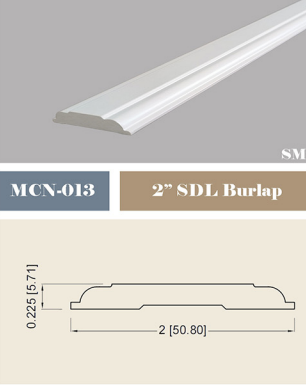
شريط MCN-013 SDL Burlap هو شريط زخرفي بعرض بوصتين يُحاكي تصميم النوافذ الزجاجية المقسمة (SDL)، مصمم ليتم تثبيته مباشرةً على الأسطح الزجاجية، ليُحاكي مظهر النوافذ الزجاجية المقسمة التقليدية. بالمقارنة مع الإصدارات الأضيق، يوفر العرض البالغ بوصتين مظهرًا أكثر جرأةً وفخامةً للشبكة. كما تُضفي لمسة نهائية من الخيش ملمسًا فريدًا يُشبه القماش، مما يُضيف سحرًا زخرفيًا طبيعيًا وريفيًا.
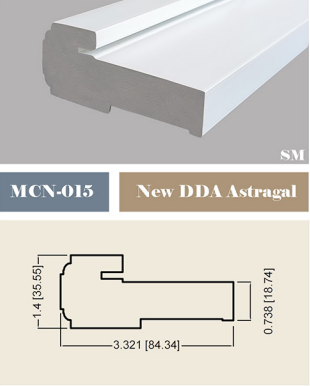
إنّ عتبة MCN-015 الجديدة المصممة وفقًا لمعايير قانون التمييز ضد ذوي الإعاقة (DDA) هي عتبة باب مصممة لتلبية معايير قانون التمييز ضد ذوي الإعاقة (ADA) لأنظمة الأبواب المزدوجة المُيسّرة. تُركّب هذه العتبة على حافة الجزء غير النشط من الباب المزدوج، مما يُحكم إغلاق الفجوة بين جزئي الباب مع ضمان الامتثال لمتطلبات سهولة الوصول، مثل قوة الفتح وعرض الفجوة.
Tel:
+86 18858129513