أخبار
اتصل بنا الآنBest Door Jamb Materials and Styles for Modern Homes
-
 مؤلف
- 29 أكتوبر 2026

People notice the door. Not the jamb. One spring the latch misses the strike. The leaf drags. The opening looks off. That is the jamb failing. Two uprights, a header, buried in the wall. Wet in winter. Hot in summer. It holds a leaf cycled all day. New builds now do that job in PVC. This is why. And here is what changes. Once you pick a depth and a finish.

Why the Modern Door Is Moving to PVC
Wood was the only real answer for years. We still see it on the budget end. But the exterior wall is where it lives. The worst place for wood. Ground moisture climbs the sill plate. The timber drinks it. It swells. It shrinks back. The door closes fine in September. In January, you lift it.
The hinge screws go first. The face softens around the screw head. The screw loses bite. The leaf drops and scrapes. A cheap veneer panel lifts at the corner. None of it is dramatic alone. Together, it is why wood is losing the spec.
PVC has no water cycle to fight. Nowhere for the water to go. The profile is closed-cell. A dense foam core, sealed off. It does not wick. It does not swell. It gives insects nothing to chew.
It is not just about rot. At Xinhong New Materials, we run our jamb profiles tight. HD surface hardness 80 to 85. Nail-holding strength 2,200 to 2,300 N. That is the number that holds a hinge screw in. It does not back out over two hard winters.
Not moving, not softening. That is why it became the default. On a lot of the entry systems we ship. A pvc door jamb leaves our plant square. It is still square a year on.

The Two Jamb Depths Most Homes Need
Material is settled. Depth is the number that matters. For most homes we work on, two answers.
ال 6 9 16 door jamb is the deep one. 166.70 mm. 6.563 inches. You reach for it on thick walls. Brick. Insulated masonry. The deep framed walls cold climates call for. It lets the brickmould sit out from the face. So does the weather barrier.
The 4-9/16 is for the slimmer standard walls. Same closed-cell body. Same hardness. Only the reach into the opening changes. Our spec sheets cut it to the table below.
| Jamb profile | Overall depth | Where it typically fits |
| 6-9/16 | 166.70 mm (6.563 in) | Thick, insulated, or masonry walls |
| 4-9/16 | 115.90 mm (4.563 in) | Standard framed walls |
The rule that saves rework. Measure the finished exterior wall at the opening. Before the door is on site. Let that number choose the profile. Not the door.
Finishes and Colors on a PVC Jamb
Depth is the engineering half. Finish is the half everyone sees. And it is where PVC beats timber. The face is sealed. Non-porous. A factory colour or a woodgrain sits on it. And stays. No repaint.
On our line the range is white and blue-white. Low-maintenance defaults. Plus a woodgrain transfer. For when the outside should read as timber. The face is closed-cell. None of those needs the prime-and-paint cycle. No repainting every few years. Not like a painted wood jamb.
The main body is 19.05 mm. 0.75 inch. The depth to the door is 31.75 mm. 1.25 inch. Across the line, the look holds unit to unit. One honest trade: a factory finish is locked in. Want a different colour later? That is a strip-and-repaint on site. Not a spec change.

Matching the Jamb to the Opening
Last piece. Closing the gap between jamb and masonry. This is where a PVC system looks finished. Or patched.
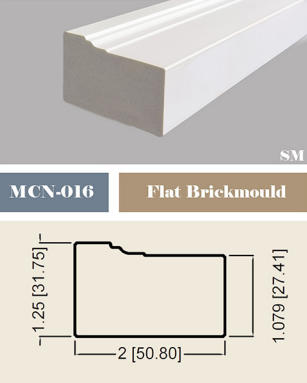
The jamb carries the door. A flat brickmould covers the cavity and the joint. We cut the two to work as a set. Get the match right. The opening reads as one clean frame. Door face to brick.
أ 4 9 16 door jamb and its flat brickmould. They close the reveal with no filler. At the joint, the closed-cell profile will not swell. Not against the brick, not in the rain.
Deeper opening? A 12-inch jamb at 304.80 mm. Same face treatment, out to a thick or recessed wall. Before you order, two checks. The jamb depth and brickmould back must match the wall. The brickmould face must clear the finished brick.
How Material, Depth, and Finish Come Together
It comes back to one line. Material decides whether the jamb survives the wall. Depth decides whether it fits. Finish decides how it looks from the street. So: closed-cell PVC for the durability. The measured wall picks 4-9/16 or 6-9/16. Match the finish to the home.
After that, match the brickmould back. To the same wall size. The whole thing ships as one unit. Not three separate calls.
التعليمات
What is a PVC door jamb actually made of?
Closed-cell PVC. It is the same dense foam-filled material. It runs through the whole profile. Not a solid rod. That structure stops the wicking. A hinge screw holds 2,200 to 2,300 N. The face does not tear out.
How do I pick between 4-9/16 and 6-9/16?
Measure the finished exterior wall at the opening. Slim standard walls take the 4-9/16. 115.90 mm. Thick or masonry walls take the 6-9/16. 166.70 mm. The wall decides. Not the door.
Can I paint a PVC jamb?
The factory woodgrain or colour sits on a sealed face. And it holds. No repaint cycle. It is a committed finish. Outside white, blue-white, and woodgrain? That is a custom spec. Not an on-site repaint.
Must the jamb match the door material?
Not necessarily. The jamb’s job is to hold the leaf. And stay put in the wall. That is why it is usually PVC. Even when the leaf is not. What must match is the depth. And the brickmould, against the wall. Not the door material.
How durable is a PVC jamb outside?
The closed-cell body does not take up water. It skips the swell-and-shrink that warps wood. No rot to eat it. Surface hardness sits at 80 to 85. On the HD scale. The face resists dents. The screw holes keep their grip.
المنشور السابق:Cutting and Routing PVC Door Frames in the Workshop
المنشور التالي: لا يوجد منشور تالٍ

منتجات
المنتجات ذات الصلة
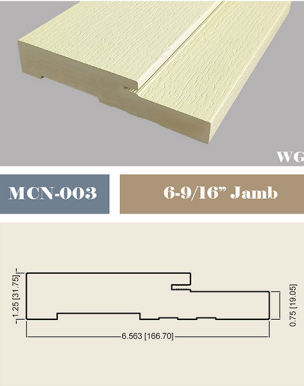
إطار الباب MCN-003 هو إطار باب بقياس 6-9/16 بوصة، مصمم لتغطية عمق فتحات الأبواب والنوافذ، موفرًا تغطية كاملة من حافة الباب إلى سطح الجدار الخارجي. يوفر قاعدة تثبيت ثابتة للباب، مع إضفاء لمسة نهائية أنيقة على حافة الفتحة. مناسب بشكل خاص للجدران السميكة أو أنظمة إطارات الأبواب المعزولة للجدران الخارجية.
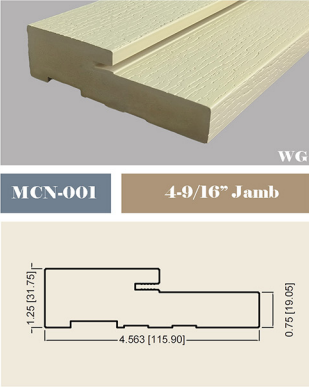
إطار الباب MCN-001 هو إطار باب بقياس 4-9/16 بوصة، مصمم لتغطية عمق فتحات الأبواب والنوافذ، موفرًا تغطية كاملة من حافة الباب إلى سطح الجدار الخارجي. يوفر قاعدة تثبيت ثابتة للباب، مع إضفاء لمسة نهائية أنيقة على حافة الفتحة. مناسب لأنظمة إطارات الأبواب الجدارية القياسية في المباني السكنية والتجارية.
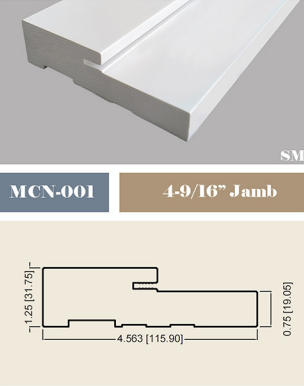
إطار الباب MCN-001 هو إطار باب بقياس 4-9/16 بوصة، مصمم لتغطية عمق فتحات الأبواب والنوافذ، موفرًا تغطية كاملة من حافة الباب إلى سطح الجدار الخارجي. يوفر قاعدة تثبيت ثابتة للباب، مع إضفاء لمسة نهائية أنيقة على حافة الفتحة. مناسب لأنظمة إطارات الأبواب الجدارية القياسية في المباني السكنية والتجارية.
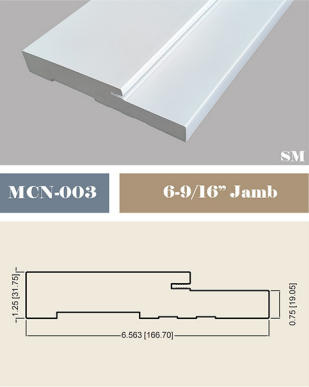
إطار الباب MCN-003 هو إطار باب بقياس 6-9/16 بوصة، مصمم لتغطية عمق فتحات الأبواب والنوافذ، موفرًا تغطية كاملة من حافة الباب إلى سطح الجدار الخارجي. يوفر قاعدة تثبيت ثابتة للباب، مع إضفاء لمسة نهائية أنيقة على حافة الفتحة. مناسب بشكل خاص للجدران السميكة أو أنظمة إطارات الأبواب المعزولة للجدران الخارجية.
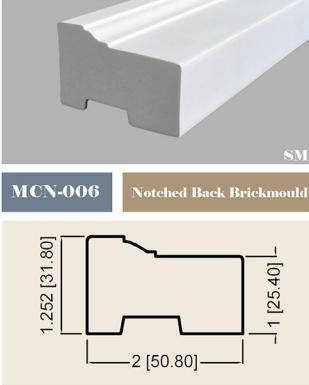
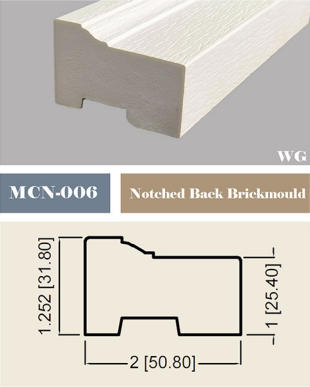
قالب الطوب MCN-006 ذو الشق الخلفي هو إطار خارجي فاخر يُستخدم كإطار للأبواب والنوافذ. يسمح الشق الموجود في الجزء الخلفي بتركيبه بشكل أفضل على الطوب أو الجص أو الألواح الجانبية. تم تصميم قوالب الطوب من سلسلة WG بشكل أنحف لتناسب مجموعة متنوعة من سماكات الجدران والتطبيقات.
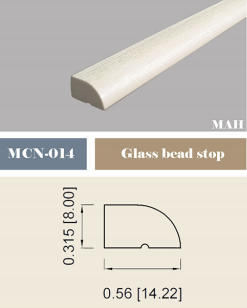
مانع انزلاق الزجاج MCN-014 هو عنصر زجاجي مصمم باحترافية، يُستخدم لتثبيت ألواح الزجاج في الأبواب والنوافذ، وتحديد موضعها، وإحكام إغلاقها. يُركّب بين الزجاج والإطار لمنع حركة الزجاج، مع توفير لمسة نهائية أنيقة. مناسب لأنظمة الأبواب والنوافذ السكنية والتجارية.
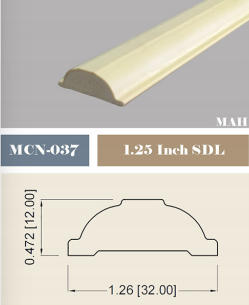
شريط MCN-037 SDL هو شريط زخرفي مُحاكٍ للزجاج المقسم، بعرض 1.25 بوصة، مصمم ليتم تركيبه مباشرةً على الأسطح الزجاجية، ليُحاكي مظهر النوافذ التقليدية ذات الزجاج المقسم. يُضفي هذا الشريط جمالية النوافذ الكلاسيكية متعددة الألواح دون الحاجة إلى استبدال هيكل النافذة بالكامل. كما أن تصميمه الأنيق يُناسب مختلف الأنماط المعمارية.
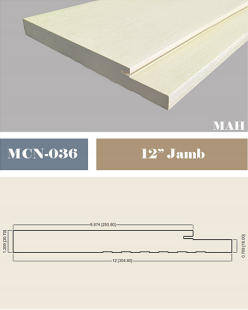
إطار الباب MCN-036 مقاس 12 بوصة هو إطار عريض للغاية مصمم للجدران السميكة أو فتحات الأبواب/النوافذ العميقة. يمتد عرضه بالكامل من حافة الباب إلى سطح الجدار الخارجي، مما يوفر دعمًا ثابتًا للباب ولمسة نهائية أنيقة. مناسب للمباني السكنية والتجارية والصناعية.
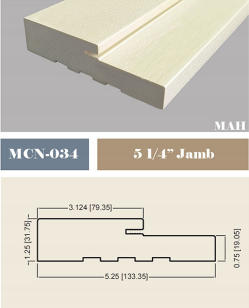
إطار الباب MCN-034 هو إطار باب بقياس 5-1/4 بوصة، مصمم لتغطية عمق فتحات الأبواب والنوافذ، موفرًا تغطية كاملة من حافة الباب إلى سطح الجدار الخارجي. يوفر قاعدة تثبيت ثابتة للباب، مع إضفاء لمسة نهائية أنيقة على حافة الفتحة. مناسب لأنظمة إطارات الأبواب ذات الجدران القياسية والسميكة في المباني السكنية والتجارية.
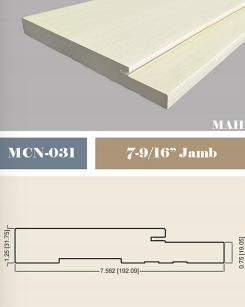
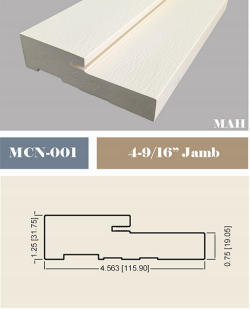
إطار الباب MCN-001 هو إطار باب بقياس 4-9/16 بوصة، مصمم لتغطية عمق فتحات الأبواب والنوافذ، موفرًا تغطية كاملة من حافة الباب إلى سطح الجدار الخارجي. يوفر قاعدة تثبيت ثابتة للباب، مع إضفاء لمسة نهائية أنيقة على حافة الفتحة. مناسب لأنظمة إطارات الأبواب الجدارية القياسية في المباني السكنية والتجارية.
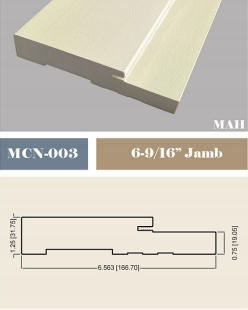
إطار الباب MCN-003 هو إطار باب بقياس 6-9/16 بوصة، مصمم لتغطية عمق فتحات الأبواب والنوافذ، موفرًا تغطية كاملة من حافة الباب إلى سطح الجدار الخارجي. يوفر قاعدة تثبيت ثابتة للباب، مع إضفاء لمسة نهائية أنيقة على حافة الفتحة. مناسب بشكل خاص للجدران السميكة أو أنظمة إطارات الأبواب المعزولة للجدران الخارجية.
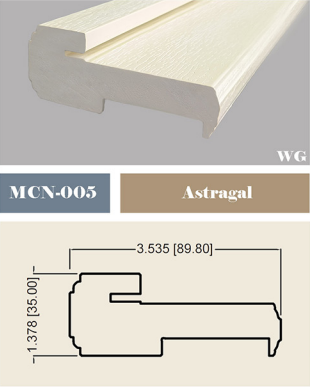
هذا الإطار المعدني هو قطعة تزيينية احترافية للأبواب المزدوجة (الأبواب الفرنسية/الأبواب المزدوجة). يُركّب على حافة الجزء غير المستخدم من الباب لتغطية الفجوة بين البابين، مما يُحسّن من إحكام إغلاق الهواء، وعزل الصوت، والخصوصية، ويُضفي مظهرًا أنيقًا.
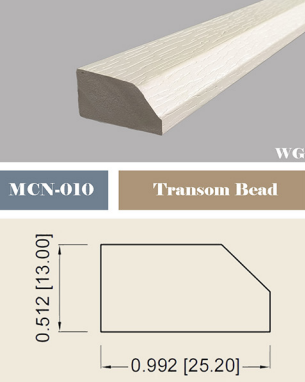
إطار MCN-010 العلوي هو إطار زخرفي مصمم باحترافية لنوافذ العتبة (النوافذ العلوية/النوافذ الثابتة فوق الأبواب). يُستخدم كحافة زخرفية، أو لتثبيت الزجاج، أو كإطار انتقالي لمنطقة العتبة. يضفي شكله المدمج لمسة جمالية أنيقة على فتحات الأبواب في المباني السكنية والتجارية.
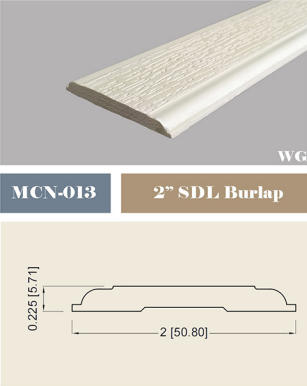
شريط MCN-013 SDL Burlap هو شريط زخرفي بعرض بوصتين يُحاكي تصميم النوافذ الزجاجية المقسمة (SDL)، مصمم ليتم تثبيته مباشرةً على الأسطح الزجاجية، ليُحاكي مظهر النوافذ الزجاجية المقسمة التقليدية. يمنح العرض البالغ بوصتين مظهرًا أكثر جرأةً وفخامةً للشبكة. أما ملمس الخيش فيُضفي عليه طابعًا فريدًا يُشبه القماش، مما يُضيف لمسةً جماليةً طبيعيةً وريفية.
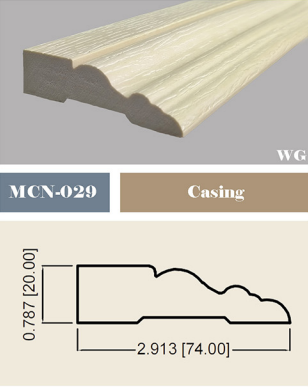
إطار MCN-029 هو إطار باب مصمم باحترافية، يوفر انتقالًا أنيقًا بين إطار الباب والجدار. يغطي هذا الإطار الفجوة بين الإطار وسطح الجدار، مما يمنح مظهرًا نهائيًا أنيقًا، ويحمي حواف إطار الباب من التلف. مناسب لفتحات الأبواب الداخلية في المساحات السكنية والتجارية.
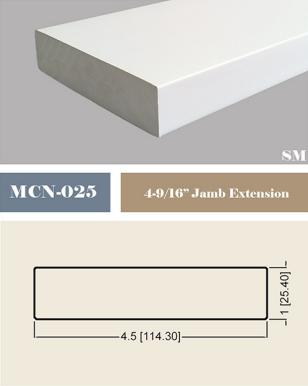
وصلة إطار الباب MCN-025 هي وصلة بعمق 4-9/16 بوصة مصممة لزيادة عمق إطار الباب القياسي للجدران السميكة. عندما يتجاوز سمك الجدار أبعاد الإطار القياسية، تتصل الوصلة بسلاسة بحافة الإطار الموجودة، مما يضمن استواء الإطار مع سطح الجدار ويوفر قاعدة تثبيت كاملة بلمسة نهائية أنيقة.
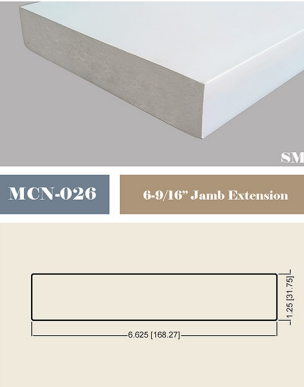
وصلة إطار الباب MCN-026 هي وصلة بعمق 6-9/16 بوصة مصممة لزيادة عمق إطار الباب القياسي للجدران السميكة جدًا. عندما يتجاوز سمك الجدار أبعاد الإطار القياسية، تتصل الوصلة بسلاسة بحافة الإطار الموجودة، مما يضمن استواء الإطار مع سطح الجدار ويوفر قاعدة تثبيت كاملة بلمسة نهائية أنيقة.
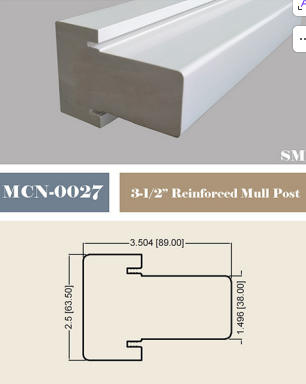
يُعدّ عمود MCN-027 المُدعّم عنصرًا إنشائيًا رأسيًا بطول 3.5 بوصة، مُصمّمًا لأنظمة الأبواب والنوافذ المُدمجة. يربط هذا العمود الوحدات المُجاورة (مثل النوافذ الثابتة، والنوافذ القابلة للفتح، والأبواب، والألواح الجانبية) ويُؤمّنها، مُوفّرًا بذلك قوة إنشائية إضافية لضمان استقرار الفتحات وسلامتها. كما يُعزّز التعزيز المُدمج من الخشب الرقائقي المُصفّح (LVL) قدرة تحمّل الأحمال ومقاومة الالتواء بشكلٍ ملحوظ.
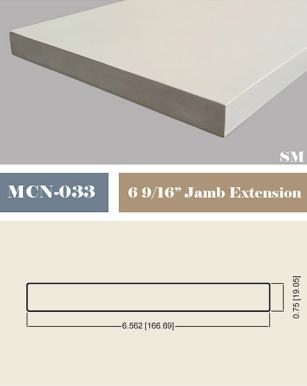
وصلة إطار الباب MCN-033 هي وصلة بعمق 6-9/16 بوصة مصممة لزيادة عمق إطار الباب القياسي للجدران السميكة. عندما يتجاوز سمك الجدار أبعاد الإطار القياسية، تتصل الوصلة بسلاسة بحافة الإطار الموجودة، مما يضمن استواء الإطار مع سطح الجدار ويوفر قاعدة تثبيت كاملة بلمسة نهائية أنيقة.
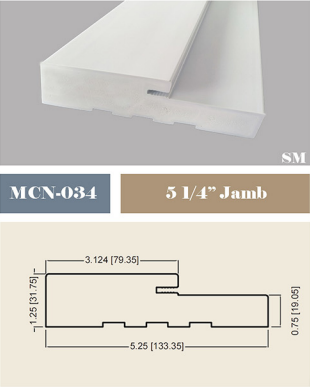
إطار الباب MCN-034 هو إطار باب بقياس 5-1/4 بوصة، مصمم لتغطية عمق فتحات الأبواب والنوافذ، موفرًا تغطية كاملة من حافة الباب إلى سطح الجدار الخارجي. يوفر قاعدة تثبيت ثابتة للباب، مع إضفاء لمسة نهائية أنيقة على حافة الفتحة. مناسب لأنظمة إطارات الأبواب الداخلية والخارجية في المباني السكنية والتجارية.
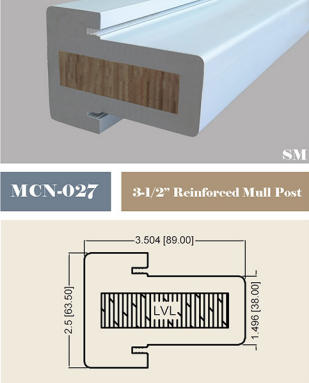
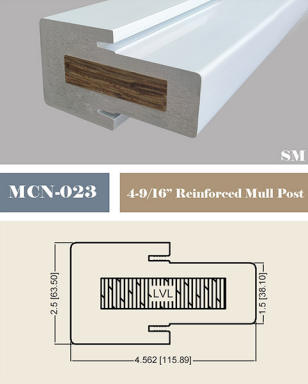
عمود MCN-023 المُدعّم هو عنصر إنشائي رأسي بطول 4-9/16 بوصة، مُصمّم لأنظمة الأبواب والنوافذ المُدمجة. يربط هذا العمود الوحدات المُجاورة (مثل النوافذ الثابتة، والنوافذ القابلة للفتح، والأبواب، والألواح الجانبية) ويُؤمّنها، مُوفّرًا قوة إنشائية إضافية لضمان استقرار الفتحات وسلامتها. كما يُعزّز التعزيز المُدمج من الخشب الرقائقي المُصفّح (LVL) قدرة تحمّل الأحمال ومقاومة الالتواء بشكل ملحوظ.
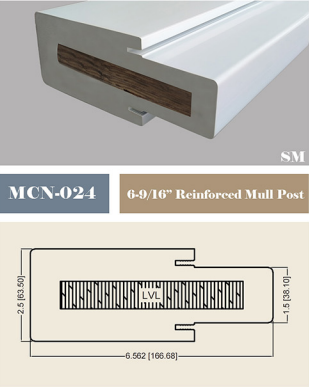
يُعدّ عمود MCN-024 المُدعّم عنصرًا إنشائيًا رأسيًا بطول 6-9/16 بوصة، مُصمّمًا لأنظمة الأبواب والنوافذ المُدمجة. يربط هذا العمود الوحدات المُجاورة (مثل النوافذ الثابتة، والنوافذ القابلة للفتح، والأبواب، والألواح الجانبية) ويُؤمّنها، مما يُوفّر قوة إنشائية إضافية لضمان الاستقرار والسلامة للفتحات ذات الامتداد الكبير.
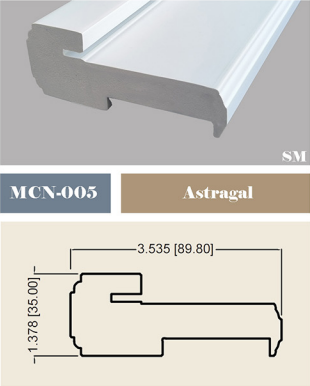
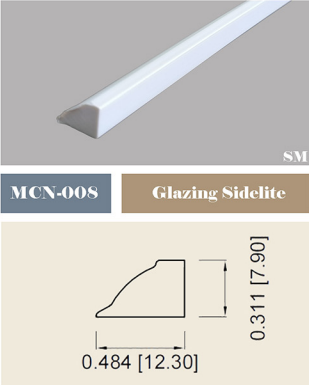
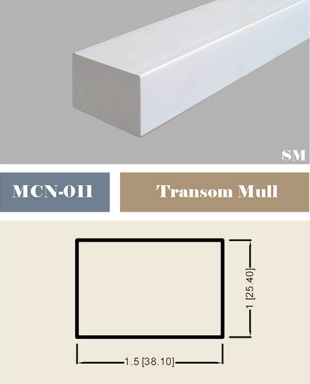
إنّ دعامة العارضة MCN-011 هي عنصر هيكلي أفقي احترافي مصمم لفصل الباب عن نافذة العارضة العلوية (النافذة الجانبية/النافذة العلوية). توفر هذه الدعامة دعماً هيكلياً للعارضة العلوية مع إنشاء خط فاصل بصري أنيق، وهي مناسبة لأنظمة مداخل المباني السكنية والتجارية والعامة.
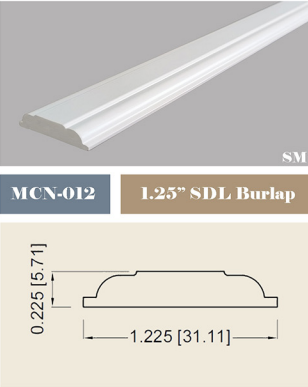
شريط MCN-012 SDL Burlap هو شريط زخرفي يحاكي الزجاج المقسم (SDL)، مصمم ليتم تركيبه مباشرة على الأسطح الزجاجية، ليُحاكي مظهر النوافذ الزجاجية المقسمة التقليدية. يُضفي هذا الشريط جمالية النوافذ متعددة الألواح الكلاسيكية دون الحاجة إلى استبدال هيكل النافذة بالكامل. كما يتميز بسطحه الخيشي الذي يُعطي ملمسًا فريدًا يُشبه القماش.
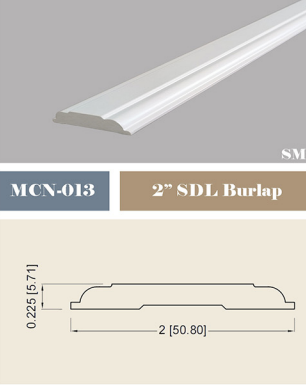
شريط MCN-013 SDL Burlap هو شريط زخرفي بعرض بوصتين يُحاكي تصميم النوافذ الزجاجية المقسمة (SDL)، مصمم ليتم تثبيته مباشرةً على الأسطح الزجاجية، ليُحاكي مظهر النوافذ الزجاجية المقسمة التقليدية. بالمقارنة مع الإصدارات الأضيق، يوفر العرض البالغ بوصتين مظهرًا أكثر جرأةً وفخامةً للشبكة. كما تُضفي لمسة نهائية من الخيش ملمسًا فريدًا يُشبه القماش، مما يُضيف سحرًا زخرفيًا طبيعيًا وريفيًا.
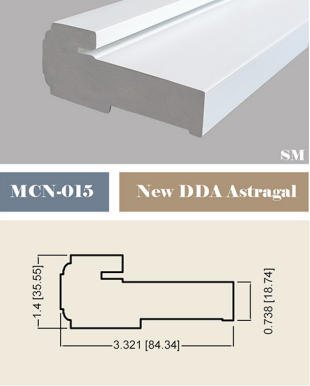
إنّ عتبة MCN-015 الجديدة المصممة وفقًا لمعايير قانون التمييز ضد ذوي الإعاقة (DDA) هي عتبة باب مصممة لتلبية معايير قانون التمييز ضد ذوي الإعاقة (ADA) لأنظمة الأبواب المزدوجة المُيسّرة. تُركّب هذه العتبة على حافة الجزء غير النشط من الباب المزدوج، مما يُحكم إغلاق الفجوة بين جزئي الباب مع ضمان الامتثال لمتطلبات سهولة الوصول، مثل قوة الفتح وعرض الفجوة.
Tel:
+86 18858129513